Picking out the right Golf Cart Solenoidmight not seem like a big deal, but trust me, it’s actually pretty important if you want your golf cart to run smoothly. Basically, a solenoid is a key part of your cart’s electrical system—it's what controls the current flow to other crucial parts. So whether you're replacing a faulty one or just trying to boost your cart’s performance, understanding what to look for can make a huge difference—and even make your golfing trips way more enjoyable.
In this little guide, I’ll share some practical tips to help you find the perfect Golf Cart Solenoid that fits your needs. Things like making sure it matches your specific cart model, has the right voltage, and is built to last are all super important. By paying attention to these details, you’ll be able to pick something that works well, lasts longer, and keeps your cart running reliably on the course. Honestly, focusing on quality and what’s suited for your setup will save you headaches later on — plus, it’s easier to navigate through all those options out there in the market when you know what to look for.
Understanding Golf Cart Solenoids: Function and Importance
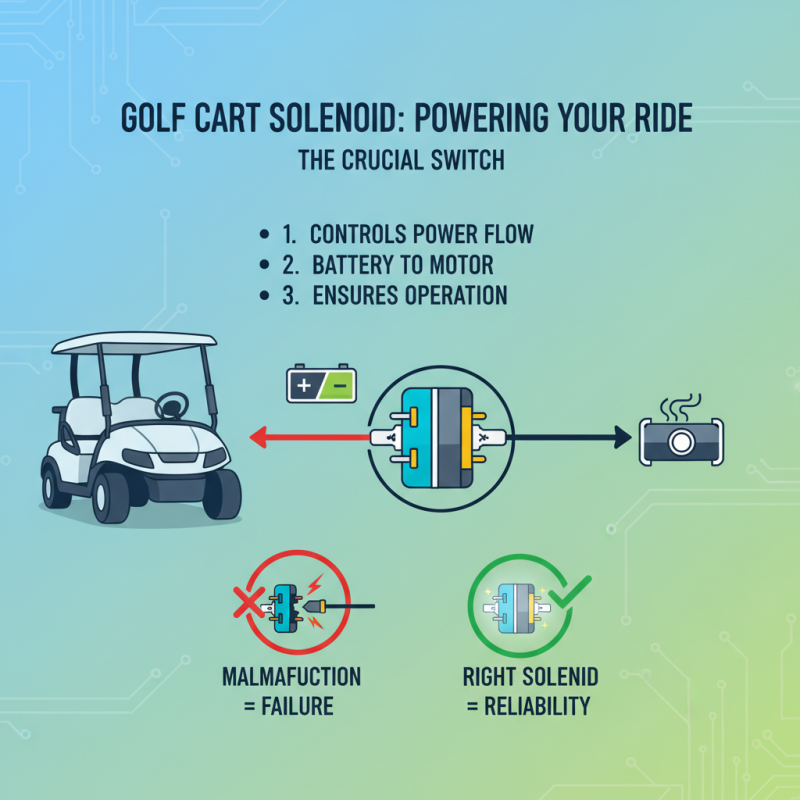
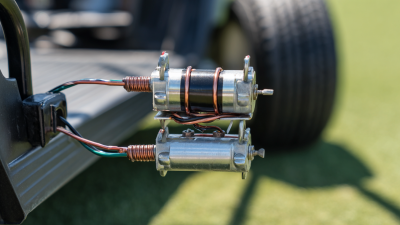
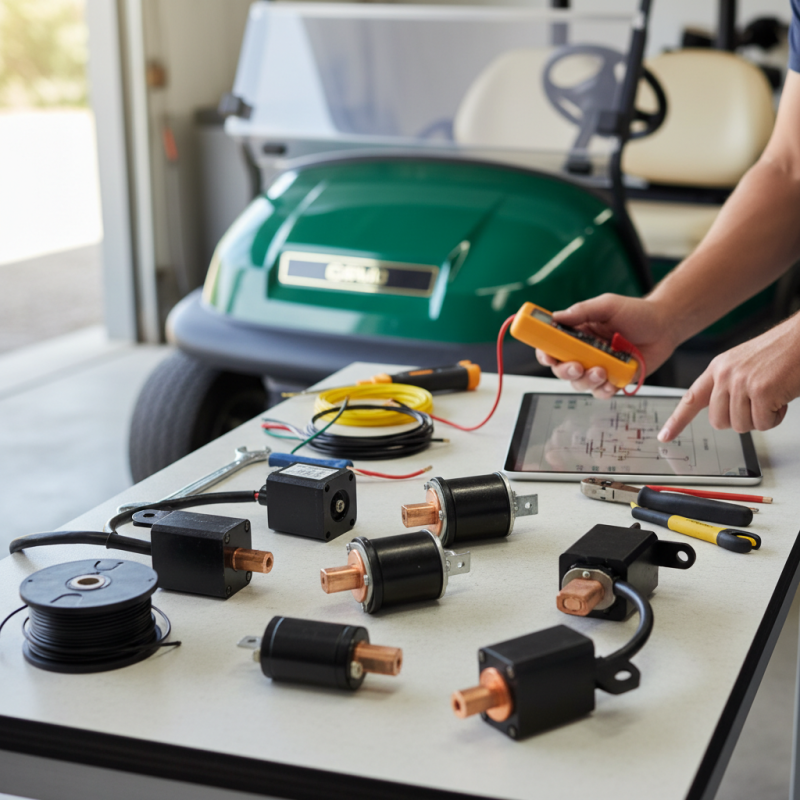
When it comes to Golf Carts, solenoids play a crucial role in ensuring the smooth operation of the vehicle. A solenoid acts as a switch that controls the flow of electricity from the battery to the motor, effectively powering your Golf Cart. Understanding how solenoids function helps in recognizing their importance; a malfunctioning solenoid can lead to starting issues or complete failure to operate, which emphasizes the need for selecting the right one for your needs.
When choosing a Golf Cart solenoid, consider a few key tips. First, ensure that the solenoid you select matches the voltage requirements of your Golf Cart. Most Golf Carts operate on 36V or 48V systems, and using the incorrect voltage can lead to serious operational issues. Second, pay attention to the amp rating. A solenoid with a higher amp rating is more suited for heavy-duty use, making it ideal for users who frequently drive their carts over long distances or hilly terrain.
Lastly, assess the solenoid’s durability and build quality. Look for designs that are weather-resistant and constructed with high-quality materials, as this can significantly extend the life of the solenoid. By following these tips, you will be better equipped to choose a solenoid that not only fits your golf cart perfectly but also enhances its performance and reliability.
Key Specifications to Consider When Selecting a Golf Cart Solenoid
When selecting the right golf cart solenoid, it's crucial to pay close attention to specific key specifications that can greatly impact performance and reliability. One of the most important factors is the voltage rating of the solenoid, which should match the voltage of your golf cart’s electrical system. Most golf carts operate on either 36V or 48V systems, so ensure that the solenoid you choose is compatible with the voltage to avoid any electrical failures or damage.
Another essential specification to consider is the current capacity. The solenoid must be able to handle the maximum current draw of your golf cart’s motor without overheating or malfunctioning. It is also advisable to check the solenoid’s duty cycle, which indicates how long it can operate before needing rest. For golf carts that experience frequent use, a solenoid with a higher duty cycle will ensure consistent performance without the risk of burnout. Lastly, pay attention to the mounting style and dimensions, as ensuring a proper fit in your golf cart is key to smooth installation and operation.
Different Types of Golf Cart Solenoids: A Comparative Analysis
When selecting a solenoid for golf carts, understanding the different types available is crucial for meeting specific performance needs. Generally, there are three main types of golf cart solenoids: continuous duty solenoids, intermittent duty solenoids, and high-current solenoids. Continuous duty solenoids are designed for applications where they operate consistently without overheating, making them ideal for electric golf carts that require a high degree of reliability. According to industry standards, these solenoids typically can handle up to 250 amps, which is essential for maintaining optimal performance in electric vehicles.
Intermittent duty solenoids, on the other hand, are suited for applications with sporadic use, such as starter solenoids in gas-powered carts. These solenoids can handle substantial surges of current but are not intended for prolonged operation. Market analysis suggests that while they offer versatility, users looking for prolonged use must be cautious of thermal limitations, as they can overheat if used continuously beyond their rated duty cycle.
Lastly, high-current solenoids are specifically designed for applications with demanding power requirements. They are often used in heavy-duty carts or utility vehicles that need to manage large voltage and current loads efficiently. Recent reports indicate that high-current solenoids can manage currents upwards of 400 amps, which is vital for ensuring robust performance in more powerful golf cart models. Understanding these types and their specific use cases can significantly impact the performance and longevity of your golf cart's electrical system.
Top Tips for Choosing the Right Golf Cart Solenoid
This chart compares the performance ratings of different types of golf cart solenoids based on their suitability for various needs. The ratings range from 1 to 10, with higher scores indicating better performance for specific applications.
Evaluating Voltage Requirements for Optimal Performance
When selecting a golf cart solenoid, understanding the voltage requirements is crucial for ensuring optimal performance. Golf carts typically operate using either 36V or 48V systems, and matching the solenoid’s voltage rating to your cart's battery system is vital for proper operation. If the voltage is mismatched, it can lead to inefficient performance or even damage to the solenoid and other electrical components.
One key tip is to consult your golf cart’s user manual to determine the exact voltage configuration. Additionally, ensure that the solenoid can handle the peak current your system requires. This helps in preventing overheating and ensures that the solenoid operates efficiently during high-demand situations.
Another important aspect is to consider the quality and construction of the solenoid. A solenoid that is built with durable materials will perform better and last longer, particularly in demanding environments. Look for options that provide a good balance between cost and reliability, ensuring that your investment translates into consistent performance on the course.
Top Tips for Choosing the Right Golf Cart Solenoid for Your Needs
| Voltage | Recommended Applications | Coil Resistance (Ohms) | Typical Use Case | Key Features |
| 12V | Standard Golf Carts | 10-12 | Small to Medium Carts | High Durability, Compact Size |
| 36V | High-Performance Carts | 26-30 | Medium to Heavy Carts | Enhanced Power Output, Efficient Operation |
| 48V | Commercial Golf Carts | 40-50 | Large Carts, Fleet Operations | Superior Performance, Long Lifecycle |
The Role of Amperage Ratings in Solenoid Efficiency
When selecting a golf cart solenoid, understanding the role of amperage ratings can significantly influence your choice and the overall efficiency of your cart. Solenoids are crucial for the operation of electric golf carts, acting as the electromagnetic switch that controls the flow of electricity from the batteries to the motor. The amperage rating of a solenoid indicates the maximum amount of current it can handle without overheating or failing. According to industry standards, a solenoid with a higher amperage rating can deliver more power, which is vital for carts that require strong performance, such as those used in hilly terrains where additional torque is necessary.
Research indicates that solenoids with lower amperage ratings may struggle under heavy load conditions, leading to inefficient operation and potentially damaging other components within the golf cart. For instance, solenoids rated between 200-400 amps are common in many golf cart applications, providing sufficient capability for most user needs. In fact, a recent study from the Electric Vehicle Association highlighted that improper amperage selection could lead to a 20-30% decrease in overall energy efficiency, underscoring the importance of choosing the right solenoid. By taking into account the specific requirements of your golf cart and understanding how amperage ratings affect solenoid performance, you can ensure better functionality and longevity of your vehicle.
Common Brands and Their Reputation in the Golf Cart Industry
When selecting the right golf cart solenoid, understanding the reputation of common brands in the industry is essential. Industry reports indicate that trusted brands often exhibit higher durability and efficiency, leading to improved overall performance and customer satisfaction. For instance, brands that invest in quality manufacturing processes and offer robust warranties tend to build a loyal customer base. According to a recent survey, over 70% of golf cart users prioritize brand reputation when making a purchasing decision, emphasizing the importance of reliability in the solenoid market.
It's crucial to consider a few tips while choosing a solenoid for your golf cart. First, ensure that the solenoid matches the voltage requirements of your cart model, as mismatched voltages can lead to inefficiencies or damage. Second, evaluate customer reviews and feedback to gauge the long-term performance of a solenoid. Reports suggest that solenoids with positive user feedback tend to have a failure rate lower than 5%, indicating their reliability. Finally, consider the availability of customer support and replacement parts for the solenoid, as this can greatly influence your maintenance experience.
By focusing on the reputation of brands and utilizing these tips, you can make an informed decision when choosing a golf cart solenoid that meets your needs and enhances your golfing experience.
Maintenance Tips to Extend the Life of Your Golf Cart Solenoid
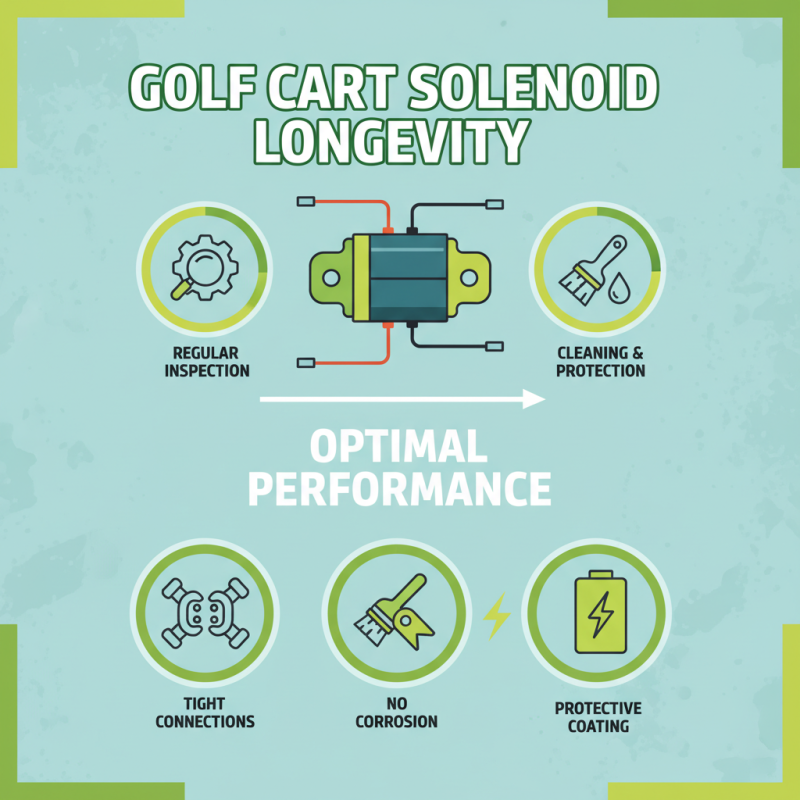
Maintaining the longevity of your golf cart solenoid is crucial for ensuring optimal performance. Regular inspection and cleaning can significantly extend its life. Start by ensuring that all connections are tight and free from corrosion. Corroded terminals can interfere with the flow of electricity, leading to inefficient operation or potential failure. Using a wire brush to gently clean the terminals and applying a protective coating can help prevent future corrosion.
Another key aspect of maintenance is monitoring the voltage supplied to the solenoid. An inconsistent voltage can cause the solenoid to work harder than necessary, leading to premature wear. It’s beneficial to check the battery condition regularly and replace old batteries, as they can impact the solenoid's performance. Additionally, consider implementing a regular schedule for testing the solenoid to catch any developing issues early, ensuring your golf cart remains reliable for years to come.
Enhancing Golf Cart Performance with the 48V Powerwise Charger Receptacle: Insights from Industry Reports on Electric Vehicle Charging Efficiency
The 48V Powerwise Charger Receptacle is a crucial component for enhancing the performance of electric golf carts. This receptacle is designed to facilitate the efficient charging of vehicle batteries, ensuring that users can maintain an optimal level of charge while extending the lifespan of their batteries. By allowing a direct and secure connection for the charger, this product helps in minimizing energy loss during the charging process, a significant consideration highlighted in various industry reports on electric vehicle charging efficiency.
The receptacle features a female DC input and a 3-prong configuration, making it compatible with a wide range of models, specifically for 48 Volt electric golf carts like the EZGO RXV from 2008 onward and the EZGO 2Five from 2010 onwards. This ensures that users can easily replace worn or damaged components with this robust solution, benefiting from improved charging performance. Moreover, with compatibility for part number 602529, this receptacle serves as a reliable choice for those seeking to upgrade or maintain their electric golf carts, harnessing the advantages of advanced charging capabilities.
FAQS
: The three main types of golf cart solenoids are continuous duty solenoids, intermittent duty solenoids, and high-current solenoids.
Continuous duty solenoids are designed for applications that require consistent operation without overheating, making them ideal for electric golf carts that need a high degree of reliability.
Intermittent duty solenoids are suitable for applications with sporadic use, such as in gas-powered carts. They handle substantial surges of current but are not intended for prolonged operation.
High-current solenoids are designed for applications with demanding power requirements, managing large voltage and current loads efficiently, commonly used in heavy-duty carts or utility vehicles.
Amperage ratings indicate the maximum current a solenoid can handle without overheating. Higher amperage ratings can deliver more power, which is critical for electric carts requiring strong performance.
A solenoid with a low amperage rating may struggle under heavy loads, leading to inefficient operation and potential damage to other components within the golf cart.
Solenoids rated between 200-400 amps are common in golf carts, providing sufficient capability for most user needs.
Incorrect amperage selection can lead to a decrease in overall energy efficiency by 20-30%, which emphasizes the importance of choosing the right solenoid for your golf cart.
By knowing the different solenoid types and how amperage ratings affect performance, users can ensure better functionality and longevity of their golf cart's electrical system.
Conclusion
When it comes to maintaining and optimizing golf cart performance, selecting the right Golf Cart Solenoid is crucial. These components play a vital role in the electrical system, acting as switches that control the flow of electricity to the cart's motor. Understanding key specifications such as voltage requirements and amperage ratings can significantly impact the solenoid's efficiency and overall functionality.
Additionally, it's important to explore the different types of Golf Cart Solenoids available in the market, as each type may offer distinct advantages depending on specific needs. By evaluating common brands and focusing on their reputations within the golf cart industry, users can make informed decisions. Regular maintenance practices can further prolong the lifespan of a Golf Cart Solenoid, ensuring reliable performance on the course for years to come.

 0086-13925528791
 CONTACT XXCART
 CONTACT XXCART