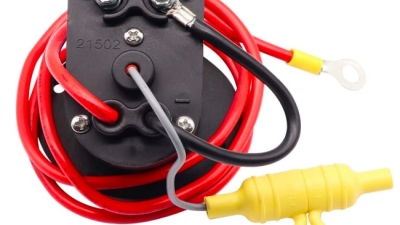
When it comes to keeping your Golf Cart running smoothly and even giving it a bit of a boost, picking the rightGolf Cart Solenoid is pretty important. At TOP GOLF CO., LTD, we totally get how crucial high-quality parts are in making sure your cart performs well. We’ve got years of experience designing and manufacturing these components, and we take pride in controlling every step — from tooling to production — so we can deliver products that truly meet the highest standards. Whether you’re just out there having fun on weekends or using your Golf Cart daily, choosing the right solenoid can really make a difference in how it performs and how long it lasts. In this blog, I’ll share some of the top reasons why picking the right Golf Cart Solenoid matters for your specific needs, so you can make smarter choices — all backed by our expertise in OEM parts for brands likeClub Car, E-Z-Go, and Yamaha.
Understanding the Function of Golf Cart Solenoids: Key Components Explained
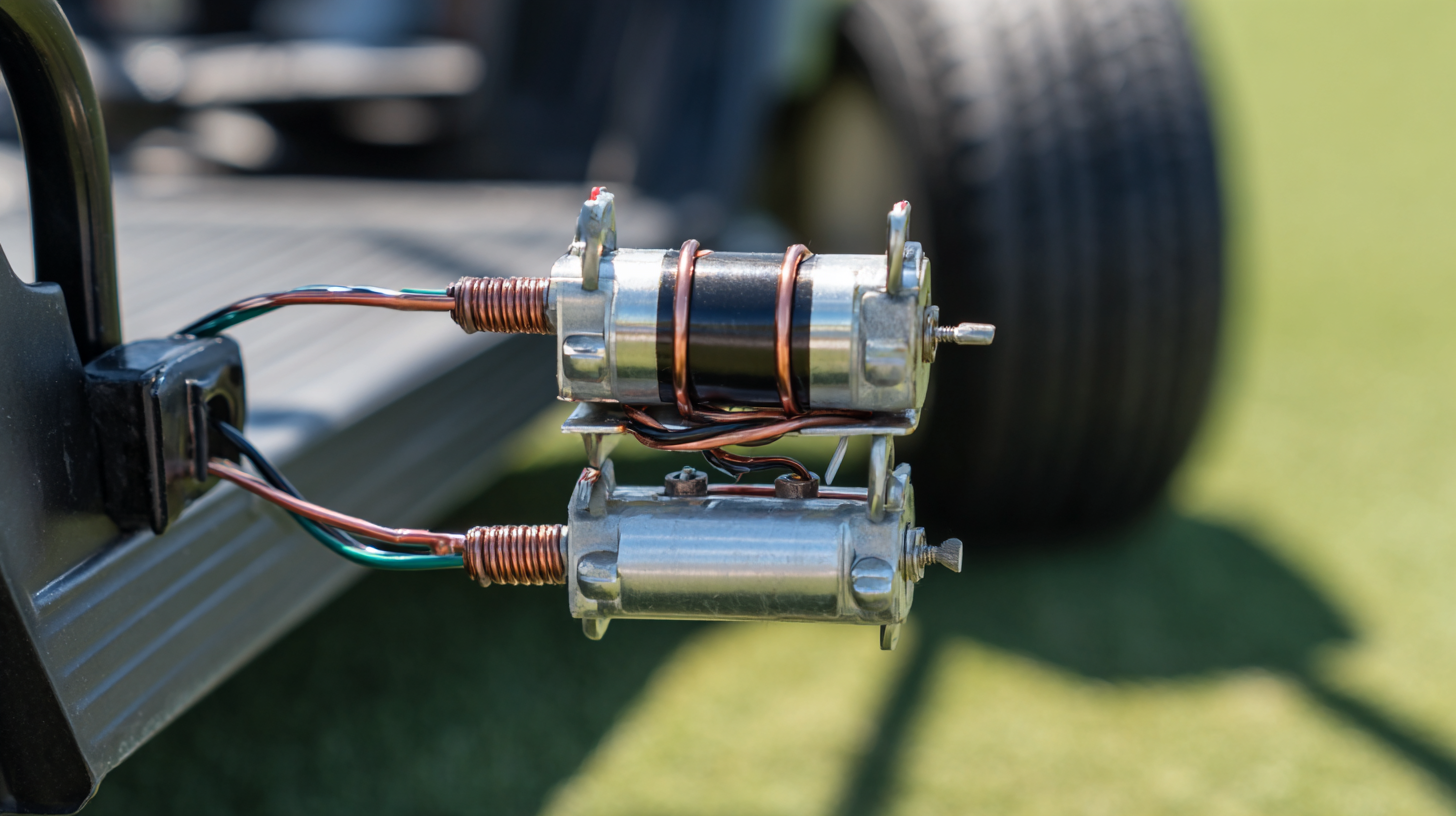
Solenoids might not be the first thing that comes to mind when you're thinking about golf carts, but honestly, they’re pretty essential. Basically, they act like electromagnetic switches that control how electricity flows to your motor. If you're trying to pick out the right solenoid for your cart, it's pretty important to understand what they do. From what I’ve read, a good, reliable solenoid can really boost your cart’s performance and make it last longer — which is a win for both serious enthusiasts and casual players. For example, making sure you choose a solenoid with the right voltage and specs that match your motor isn’t just a small detail — it helps save energy and prevents unnecessary wear and tear.
On a broader note, the golf cart industry is definitely on the rise. Companies like MD Carts, LLC, are creating new opportunities; they’re even planning to add around 200 new jobs in Johnson City, Tennessee. This growth? It’s pretty much a sign of how much more popular electric golf carts are becoming. Industry forecasts are predicting a boom in high-quality electric models come 2025, which means the quality of components, including solenoids, is more important than ever. Manufacturers are really pushing to meet higher standards for durability and performance, so if you’re a golfer or just someone into electric carts, it's worth paying attention to these industry shifts. Picking the right solenoid now might just save you from headaches down the road and keep your cart running smoothly as the market evolves.
Identifying Your Golf Cart Type: Why It Matters for Solenoid Selection
So, when you're picking out a golf cart solenoid, the first thing you wanna do is figure out what kind of golf cart you have. They come in all sorts of styles — some are electric, others run on gas, and each one needs a specific kind of solenoid that’s built for its particular setup. For example, electric golf carts usually run on 36V or 48V systems, so you'll want a solenoid that matches that voltage to keep things running smoothly and safely.
Lately, I’ve seen reports saying that solenoid failures can really bring your game to a halt — nobody wants that! Basically, for electric carts, the solenoid acts like a switch for all that high-voltage stuff. If you pick the wrong one, it can lead to electrical glitches or even total breakdowns. According to the folks at ANSI, using the right solenoid not only helps your cart last longer but also keeps it running more efficiently. And with more people getting into golf cart riding these days — especially with the rise in outdoor recreation — knowing your cart type and choosing the correct solenoid can save you a lot of hassle and cash down the line.
How to Choose the Right Golf Cart Solenoid for Your Needs
| Golf Cart Type | Voltage | Current Rating | Recommended Solenoid |
| Electric Golf Cart | 36V | 200A | Heavy Duty Solenoid |
| Gas Golf Cart | N/A | N/A | Standard Solenoid |
| 48V Electric Golf Cart | 48V | 400A | High Performance Solenoid |
| Custom Golf Cart | Varies | Varies | Consult Manufacturer |
Top 5 Features to Look for in a Quality Golf Cart Solenoid
When you're picking out a golf cart solenoid, it’s pretty important to get a good handle on what features really matter. For starters, you wanna pay attention to the voltage rating—most of these solenoids are between 36V and 48V in electric golf carts.
I remember reading a report from the National Golf Cart Association back in 2021 that said choosing a solenoid with the right voltage can boost your cart’s electrical efficiency by up to 15%. Not only that, but it also helps prevent overheating and those pesky early failures that can really ruin your day.
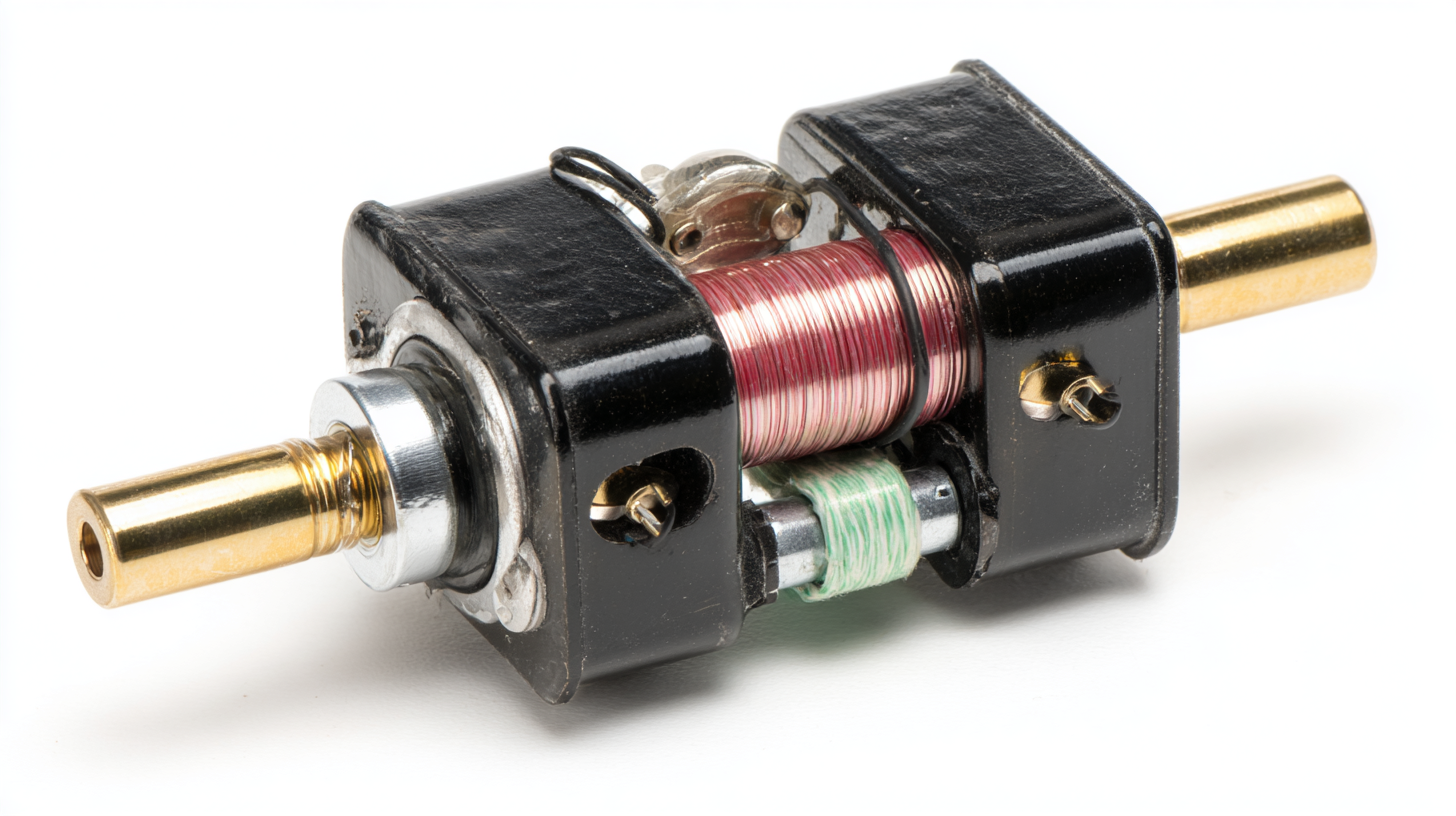
Another thing to keep in mind is the coil resistance. This tiny detail actually makes a big difference because it affects how quickly the solenoid responds. Generally, a lower resistance means better conductivity and faster activation—crucial when you’re trying to start up quickly.
Some studies have shown that solenoids with optimized coil resistance can cut down energy use by around 20%, which is great news for your battery and the whole electrical system. Oh, and don’t forget—look for a solenoid with a sturdy housing and good corrosion resistance, especially if you’re in a more humid or rainy area. The Golf Cart Manufacturing Association released a study saying that high-quality materials can make a solenoid last about 30% longer than cheaper ones, so it’s totally worth investing a little more upfront.
3 Common Mistakes to Avoid When Choosing a Golf Cart Solenoid
Picking out a golf cart solenoid? Well, a lot of folks tend to make some pretty common mistakes that can end up causing more harm than good—like messing with efficiency or even damaging their carts. One pretty frequent mistake is just going for the cheapest option out there. I get it, we all love to save a few bucks, but trust me, quality and making sure it fits your cart's specs are way more important if you want things to run smoothly. Sometimes, shelling out a little extra on a decent, reputable solenoid can actually save you money in the long run because you won’t be replacing it all the time.
And then there's the issue of not checking the specs properly. Every golf cart is unique, with different electrical requirements. If you pick a solenoid that doesn’t match those needs—like the right voltage or amperage—you might end up with poor performance or even system failures. So, always double-check that the solenoid you’re going for ticks all the boxes for your cart.
Oh, and don’t forget about brand reputation! Not all solenoids are created equal, and going with a trusted, well-reviewed manufacturer can make a big difference. It’s worth taking a moment to look at what other users are saying before making your pick. Avoiding these common mistakes can really put you in a better position to choose the right solenoid and keep your golf cart running smoothly without any headaches.
2 Essential Questions to Ask Before Purchasing a Golf Cart Solenoid
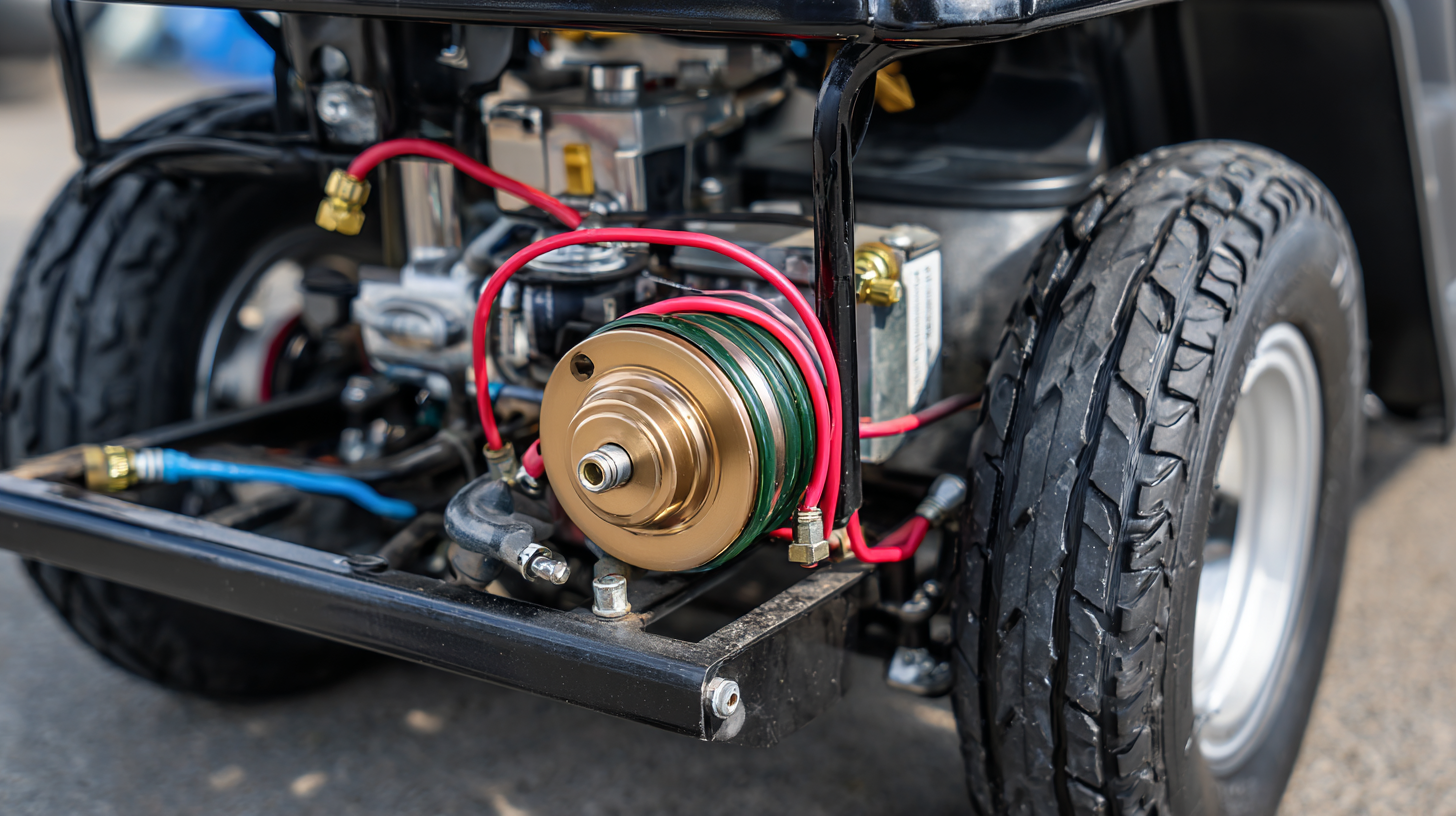
When you're looking to buy a golf cart solenoid, it’s really important to ask the right questions—stuff that actually matters for your specific setup. First off, check what voltage your golf cart runs on. Most carts stick to either 36V or 48V systems. Picking a solenoid that matches that voltage is kind of a big deal since it helps keep everything running smoothly and avoids electrical headaches. From what I’ve read, using the correct voltage solenoid can actually make your golf cart more efficient—say, giving better battery life and just working better overall.
Then, it’s worth taking a look at how tough the solenoid is and what ratings it has. These things are rated by the current they can handle—usually somewhere between 200 and 400 amps. If you go for one with a higher amp rating, it’ll generally be more reliable, especially when you’re hitting it hard or using the cart a lot. Industry folks have mentioned that good quality solenoids can cut down maintenance costs by up to 20% over their lifespan. So, spending a little extra on a solid, durable solenoid isn’t just about reliability; it’s also about keeping your golf game worry-free and hassle-free so you can enjoy your time on the course.
Why Brand Reputation Can Influence Your Golf Cart Solenoid Choices
When you're picking out a golf cart solenoid, one thing that really matters is the brand’s reputation. Big names like Club Car, E-Z-Go, and Yamaha have built a solid reputation because they’re known for good quality and dependability. Going with a trusted brand not only gives you peace of mind that you’re getting a product that’s up to standard, but it also means you can count on better customer support and warranty options if something goes wrong. At TOP GOLF CO., LTD, we’re all about quality — we design and make parts that live up to what those official brands put out, so you know you're in good hands.
A few tips to help you pick the right golf cart solenoid? First, do a bit of research — reading customer reviews and testimonials can give you a real sense of how well different models perform and how durable they actually are. It’s also super important to check the specs and make sure the part is compatible with your specific golf cart model; otherwise, it’s just a headache waiting to happen. And don’t forget to compare prices, but keep quality in mind. Sometimes the cheaper options might not cut it when it comes to performance. We at TOP GOLF CO., LTD focus on offering quality products that are affordable so we can meet the needs of golfers everywhere."
Choosing the Right Golf Cart Solenoid: Brand Reputation Impact
Maximize Your Golf Cart's Efficiency with the Right Charger: A Focus on 48 Volt Receptacles and Fuse Assemblies
When it comes to enhancing the efficiency of your golf cart, selecting the right charger is crucial. Specifically, if you own a 48-volt Club Car model from 1995 or later, you need to ensure compatibility with the right components. Utilizing a 48 Volt Golf Cart Charger Receptacle and Fuse Assembly can significantly improve the connection between your charger and the cart, optimizing charging time and performance. These assemblies are designed to replace stock DC receptacles, ensuring a seamless fit and reliable operation.
If you're looking to replace your old or malfunctioning charger receptacle, it’s important to select parts that specifically cater to 48-volt models, including the Club Car DS 2000-Up models. The replacement parts you should consider are compatible with original part numbers such as 101802101, 1018021-01, 101846801, and 1018468-01. This targeted approach not only enhances electrical contact but also mitigates potential charging issues, ultimately extending the lifespan of your golf cart's battery system. Properly maintained connections mean you can enjoy longer rounds on the course without worrying about battery life.
FAQS
: The common voltage ratings for golf cart solenoids range from 36V to 48V in most electric golf carts.
Appropriate voltage ratings can improve the efficiency of the cart’s electrical system by up to 15%, helping to prevent overheating and premature failure.
Coil resistance impacts the solenoid's responsiveness; lower resistance generally leads to better conductivity and quicker activation, which is vital for starting the motor.
Solenoids with optimized coil resistance can reduce energy consumption by 20%, extending the life of both the battery and the overall electrical system.
It's important to ensure the solenoid has robust housing and corrosion resistance, especially in humid or rainy environments, as this significantly enhances durability.
Common mistakes include choosing a solenoid based solely on price, neglecting to check specifications for compatibility, and ignoring brand reputation.
Choosing a reputable brand ensures product quality, reliability, and access to customer support and warranty services, which can provide valuable peace of mind.
Tips include researching customer reviews, ensuring compatibility with your specific golf cart model, and comparing pricing while focusing on product quality.
Investing in a higher-quality solenoid can save money in the long run by reducing the need for frequent replacements due to improved reliability and performance.
Selecting a solenoid that does not match the golf cart's voltage and amperage needs can result in poor performance or even system failures.
Conclusion
Picking out the right golf cart solenoid is really important if you want your cart to run smoothly. If you're not familiar, solenoids basically act like electrical switches—they control the power going to your cart’s motor. So, getting the right one makes a big difference. It’s also key to know what kind of golf cart you have—whether it’s a Club Car, E-Z-GO, or Yamaha—since different brands and models often need different solenoids.
When you're shopping around for a good quality golf cart solenoid, keep an eye out for stuff like durability, whether it’s compatible with your cart, its electrical specs, and how reliable and easy it is to install. And hey, watch out for common mistakes like ignoring whether it fits your model or just going for the cheapest option, because that can really mess things up. Asking yourself questions about the specs, warranty, and brand reputation can help you avoid headaches later. Here at TOP GOLF CO., LTD, we’re all about offering top-notch OEM parts from trusted brands, so you can get the perfect solenoid without sacrificing quality or breaking the bank.
 0086-13925528791
 CONTACT XXCART
 CONTACT XXCART