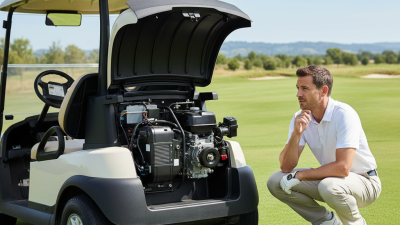
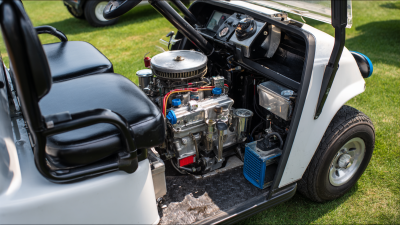
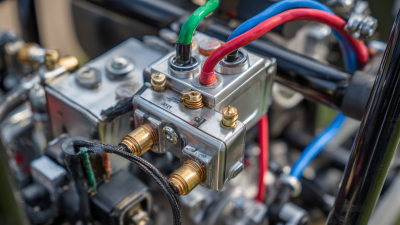
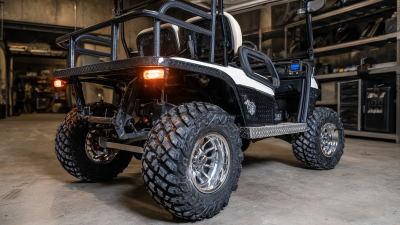
Picking the right Golf Cart Engines can really make a difference in how much you enjoy your time on the course. A solid engine means smoother rides and dependable performance, whether you're out for a quick round or just cruising around off the course. With so many options out there, it’s pretty important to choose wisely.
Think about things like how durable the engine is, how much power it offers, and how fuel-efficient it is. Going for a high-quality engine from trusted brands like Club Car or Yamaha is usually a smart move—they tend to last longer and work better, especially on different kinds of terrain. Speaking of which, consider the type of terrain you'll be tackling most often. If you're mainly on flat courses, you might need something different than if you're navigating hilly or rough areas.
It's super tempting to just go for the cheapest option, but in the long run, that might cause more hassle—like more repairs or shorter lifespan. So, it’s worth thinking about the overall quality and how much maintenance the engine will need. Spending a little extra now can really pay off by giving you a smoother, more enjoyable golf game. Bottom line? Take your time and look at all the factors before settling on the right engine for you. Trust me, it's worth it!
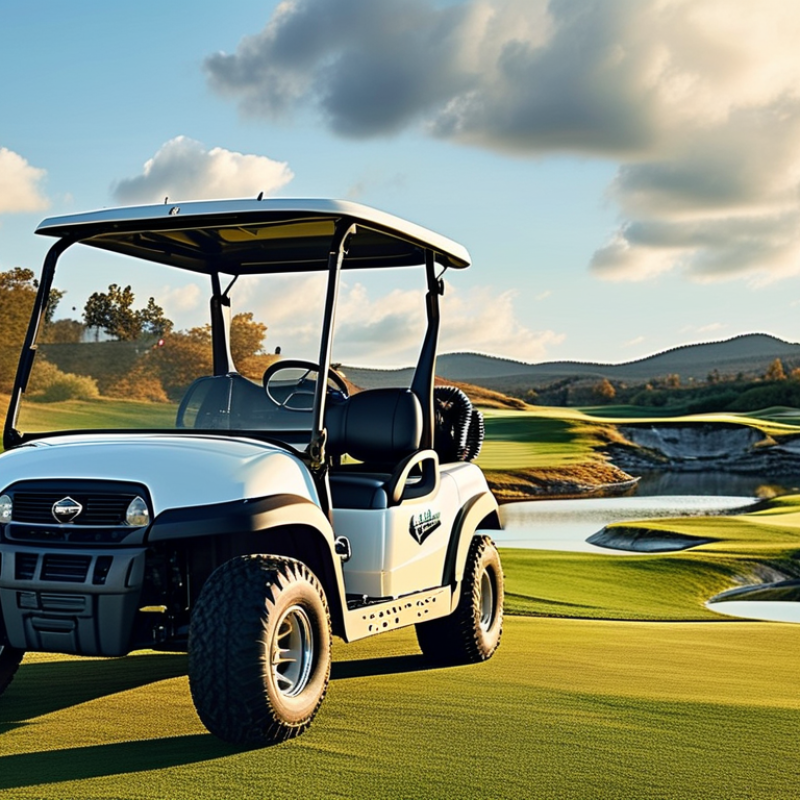
Understanding Golf Cart Engine Types and Their Specifications
When selecting the best Golf Cart engine, understanding engine types is crucial. There are primarily two types of engines: gas-powered and electric. Gas engines usually deliver more power. They are ideal for hilly terrains or larger distances. Typically, gas engines range from 9 to 15 HP. In contrast, electric engines require less maintenance. They usually offer around 5 to 20 horsepower, depending on the model and battery size.
Knowing the specifications of these engines assists in making informed decisions. For instance, electric Golf Cart Engines rely heavily on battery voltage. Common options include 36V and 48V systems. Reports indicate that 48V systems often provide better speed and torque. Additionally, consider the driving range. Many electric carts can travel up to 30 miles on a full charge, which suits most users. However, charging times can be a drawback, often requiring 6 to 8 hours.
Notably, preferences may vary. Some users may prioritize power, while others focus on sustainability. Weighing these factors is necessary. Making decisions based on engine specifications greatly impacts performance. Data shows that Golf Carts with well-matched engines to user needs perform better overall. Understanding your specific requirements will lead to a more satisfactory purchase.
Factors to Consider When Choosing a Golf Cart Engine
Choosing the right Golf Cart engine can be challenging. It's essential to consider several factors before making a decision. The engine's power is vital. Engines typically range from 8 to 25 horsepower. More horsepower often means better performance on various terrains. However, it can lead to higher fuel consumption. Balancing power with efficiency is crucial.
Next, engine type is a significant factor. Gasoline engines provide more torque, making them ideal for hilly courses. On the other hand, electric engines are quieter and require less maintenance. Data shows that electric carts have a lower overall cost over time, thanks to fewer moving parts. Consider where you will primarily use the cart. Do you need raw power or quiet operation?
Lastly, compatibility with other components matters. For instance, a Golf Cart Wheel Spindle must work smoothly with your chosen engine. Ensure that the engine fits your cart's design and structure. Mismatched components can lead to performance issues. Understanding these elements will help you choose wisely.
2026 Golf Cart Engine Performance Comparison
Comparison Between Gas and Electric Golf Cart Engines
When choosing between gas and electric Golf Cart Engines, consider your specific needs and usage scenarios. Gas engines offer greater power and longer ranges. They typically operate at higher speeds and can tackle various terrains more effectively. According to industry reports, gas-powered carts can reach speeds of up to 25 mph and have a range of about 100 miles on a single tank.
On the other hand, electric golf carts are gaining popularity due to their lower maintenance costs and environmental benefits. They are quieter and produce zero emissions. A 2021 report indicated that electric models can typically run for 30-50 miles on a single charge, depending on battery size. However, they may struggle on steeper hills compared to gas models.
Choosing the right engine also depends on charging infrastructure. Electric carts require access to charging stations, which can be limited in some areas. Battery degradation is another concern, as the lifespan usually ranges from three to seven years. It’s essential to weigh these factors based on your intended use and golf course requirements.
Evaluating Engine Performance and Efficiency for Golf Carts
Choosing the right golf cart engine is crucial for optimal performance. Different models provide varying levels of efficiency. Assessing engine power helps ensure your cart can handle various terrains. A powerful engine allows smoother rides on hilly courses. Efficiency is vital for those who want to save on fuel costs. Engines that consume less fuel can prolong your outings without frequent stops.
Consider factors like weight capacity and speed. A lightweight engine may not support heavier loads as effectively. Conversely, too much power can lead to reduced efficiency. Finding the perfect balance is key. Many users overlook maintenance, which can directly affect engine longevity and performance. Neglecting this aspect might lead to unexpected breakdowns.
Acoustic and vibration levels also matter. An engine with excessive noise can hinder the experience on the course. Look for options that balance power with a quieter operation. Features like a Golf Cart Tail Light Kit might improve visibility, ensuring a safer ride as well. Ultimately, understanding your specific needs and riding conditions can guide you to the best choice for your golf cart engine.
2026 How to Choose the Best Golf Cart Engines for Your Needs?
| Engine Type | Horsepower | Torque (ft-lbs) | Fuel Type | Fuel Efficiency (mpg) | Weight (lbs) |
| Electric | 15 | 30 | N/A | No Fuel | 300 |
| Gasoline | 23 | 40 | Gas | 30 | 350 |
| Diesel | 20 | 35 | Diesel | 40 | 400 |
| Hybrid | 18 | 38 | Gas/Electric | 50 | 320 |
Maintenance Requirements for Different Golf Cart Engines
When choosing golf cart engines, maintenance plays a crucial role. Different engines require varied upkeep routines. Gas engines often need more attention than electric ones. For gas engines, regular oil changes are essential. Neglecting this can lead to engine wear. Spark plugs need replacement too, usually once a year. It’s not just about performance; it’s also about longevity.
Electric engines might seem simpler. However, they have their own requirements. Battery maintenance is key. Check water levels regularly and clean battery terminals. Ignoring these tasks can reduce battery life significantly. Cables should be inspected for corrosion. Proper maintenance might seem tedious, but it pays off in increased reliability.
Ultimately, understanding the specific needs of your engine is vital. Every engine has unique features and maintenance schedules. Failing to track these can lead to inefficiencies. Reflecting on your maintenance habits is crucial. Are you proactive, or do you wait for problems to arise? Improving your approach to maintenance can enhance your golf cart experience significantly.
Budget Considerations for Purchasing Golf Cart Engines
When considering engine options for golf carts, budget plays a crucial role. Prices can vary significantly based on engine type, brand, and power. Starting with a clear budget helps narrow down choices. Entry-level models offer basic performance at a lower cost. Higher-end engines, however, provide more power and efficiency, which could justify the investment for avid golfers.
Think about ongoing costs, too. Some engines may require more maintenance, impacting your long-term budget. It's not just the purchase price that matters here. Fuel efficiency matters, especially if you plan to use your cart daily. Many golfers overlook this aspect, focusing solely on the initial cost.
Do thorough research before making a purchase. Reading reviews and seeking expert advice can provide insights on reliability and performance. Connecting with fellow golf cart enthusiasts often reveals practical tips. Remember, every option comes with its own set of pros and cons. Balancing budget concerns with your golfing needs is essential. Be ready to adjust your expectations based on what you discover along the way.
Seeking Expert Advice on Golf Cart Engine Selection
Choosing the right golf cart engine can be daunting. Many factors influence this decision. Understanding your needs is essential for selecting the best fit. It’s not just about power; it's about performance and reliability too.
One must consider factors like terrain and frequency of use. For example, if you drive on hilly courses, a more powerful engine is necessary. Additionally, the weight of your cart matters. Lighter carts can perform better with a standard engine. Look for features like a user-friendly Golf Cart Controller 48v for efficiency in handling.
Many enthusiasts wish for a more straightforward selection process. However, personal preferences complicate this. Some prefer torque, while others focus on speed. Testing different models can provide clarity. Don’t ignore the value of expert opinions in this regard. Sometimes, what works for one might not suit another.
Maximizing Performance: The Impact of Advanced Generator Components on Club Car Golf Cart Efficiency and Longevity
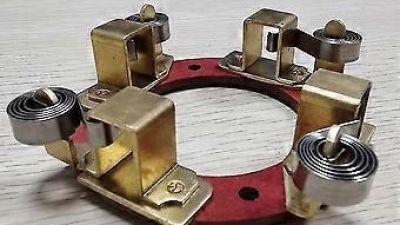
When it comes to enhancing the performance of golf carts, the role of advanced generator components cannot be overstated. One crucial element is the brush plate holder, specifically designed for 3.3HP motors that drive the generator. This component plays a vital role in ensuring efficient power transfer, which directly impacts the overall efficiency of the golf cart. By optimizing the electrical connections within the generator, it helps maintain consistent performance, allowing golfers to enjoy a seamless driving experience on the course.
The longevity of a golf cart is also significantly influenced by the quality and design of its generator components. Incorporating durable parts like the brush plate holder not only enhances efficiency but also reduces wear and tear on the motor. This means less frequent maintenance and a longer lifespan for the generator and the entire golf cart itself. By investing in high-quality components, users can maximize their cart's operational capabilities while ensuring it remains reliable for years to come. Thus, focusing on advanced generator parts leads to a noticeable improvement in both the performance and durability of golf carts, making every round enjoyable and worry-free.
FAQS
: There are two main types: gas-powered and electric engines. Gas engines provide more power and are suited for hilly terrains.
Gas engines usually range from 9 to 15 HP. Electric engines offer around 5 to 20 horsepower depending on the model.
Electric engines rely on battery voltage. Common options are 36V and 48V systems.
Higher voltages, like 48V, often provide better speed and torque for electric golf carts.
Many electric carts can travel up to 30 miles on a full charge.
Charging times can be lengthy, often requiring 6 to 8 hours for a full charge.
Prices vary by engine type and power. Starting with a clear budget helps narrow down your options.
Some engines require more maintenance, affecting long-term budgets. Fuel efficiency is also a crucial factor.
Do thorough research, read reviews, and seek expert advice to understand reliability and performance.
Fellow golf cart enthusiasts can share practical tips and insights, enhancing your decision-making process.
Conclusion
When selecting the best golf cart engines to suit your needs, it is essential to understand the various engine types and their specifications. The decision will involve evaluating the differences between gas and electric engines, considering factors such as performance, efficiency, and maintenance requirements. Each type has its pros and cons, and understanding these can help you make an informed decision.
Additionally, budget plays a significant role in your selection process. It is crucial to analyze the costs associated with purchasing and maintaining golf cart engines while seeking expert advice can provide further insights. By considering these aspects, you can ensure you choose the right engine that enhances your golfing experience while meeting your specific requirements.

 0086-13925528791
 CONTACT XXCART
 CONTACT XXCART