You know, as more and more folks are hopping onto the Golf Cart scene—whether it’s golf courses, residential neighborhoods, or even businesses—the importance of sourcing top-quality Golf Cart Engines has never been more crucial. I recently read a report by IBISWorldthat says the Golf Cart industry is expected to grow by about3.2% each year over the next five years. That just goes to show how much demand there is for reliable, efficient engines. 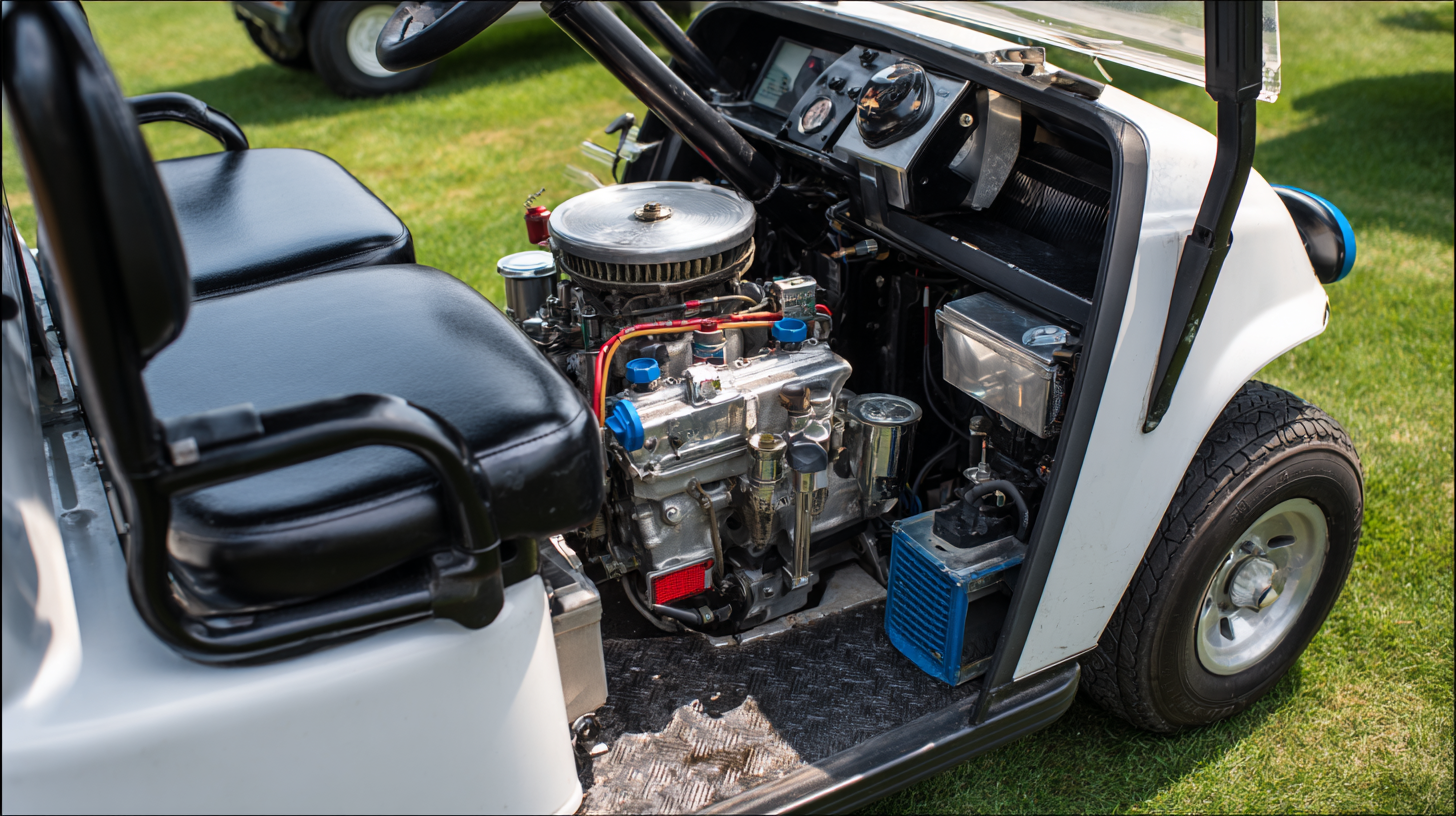 At TOP GOLF CO., LTD, we’re pretty proud of our ability to design and manufacture high-end components, including engines for big names like Club Car, E-Z-Go, and Yamaha. We’re all about quality but also price competitiveness, making sure our customers get the best engines to suit their needs. In this blog, I’ll walk you through seven tried-and-true tips for sourcing top engines worldwide—you know, to help you handle the tricky procurement stuff and level up your products.
Understanding Golf Cart Engine Types and Their Applications
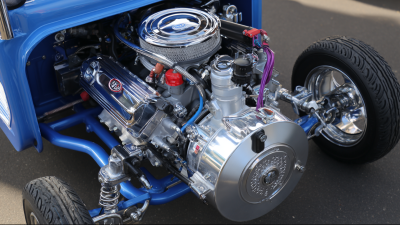
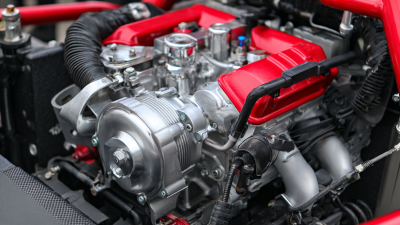
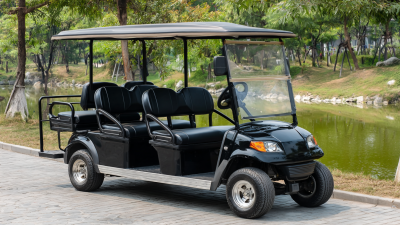
When you're on the hunt for the best Golf Cart Engines, it's pretty important to get a good feel for the different types out there and what they're best suited for. Basically, Golf Cart Engines come in two main flavors: electric and gas-powered. Electric engines are super quiet and low-maintenance, so they’re perfect if you're dealing with neighborhood setups or golf courses. Meanwhile, gas engines pack more punch and can go longer distances, which makes them great for rough terrains or if you need something more rugged.
A good tip I’ve picked up? Pay attention to what folks say about how well these engines perform and how fuel-efficient they are. Do some digging—look at different brands, read reviews, and get a sense of how reliable they are and what kind of power they deliver. It’s also smart to team up with trusted suppliers because that way, you can be pretty sure you’re getting quality stuff. And don’t forget about maintenance—choosing engines that are easy to service will save you headaches and cash in the long run.
Getting a clear idea of which engine fits your specific needs helps you pick the right one and makes sure your golf cart fleet runs smoothly overall. Basically, understanding each type’s application is key to making smart choices and keeping things running like a charm.
Evaluating Engine Performance and Efficiency Specifications
When you're on the hunt for the best golf cart engines from around the world, it's really important to take a close look at how they perform and how efficient they are. The National Golf Foundation points out that most golf cart engines fall somewhere between 4 and 15 horsepower. Usually, gas engines pack a bit more torque, which makes a noticeable difference when you're driving up hilly courses. Picking an engine in the 12 to 15 horsepower range can give your cart better acceleration and enough power to handle passengers and cargo, even on tougher terrain.
Another key thing to think about is fuel efficiency. According to the folks at the Association of Golf Cart Manufacturers, electric engines tend to be about 50% more efficient than gas ones — which obviously means you'll save more in the long run. Plus, modern electric models benefit from super advanced lithium-ion batteries that last longer and perform better. Many of these batteries can go up to 1,500 charge cycles, so they’re pretty durable. When you're comparing different engines, make sure to check out things like torque output, fuel type, and energy consumption because all these factors play a big role in how well your golf cart runs and how sustainable it is in the long run.
Engine Performance and Efficiency Specifications for Golf Cart Engines
Where to Find Reliable Suppliers for Golf Cart Engines Globally
When you're on the hunt for reliable golf cart engine suppliers around the world, it's pretty important to consider regions that are well-known for their manufacturing skills. The Specialty Vehicle Institute of America (SVIA) reports that the golf cart industry has been growing steadily at about 4% each year, which means more folks are looking for quality engines these days. Countries like the U.S., China, and Japan are really stepping up as key players—they're known for coming up with innovative and efficient engines that fit all sorts of needs.
Sometimes, digging into online marketplaces and trade platforms can be a game-changer. Places like Alibaba and ThomasNet are great for finding verified suppliers—plus, you can check out ratings and read reviews from other buyers before you make any commitments. Believe it or not, about 60% of buyers actually rely on these platforms because they offer clear communication and a heck of a lot of product options. And if you’re serious about finding the right engine, going to industry trade shows can be pretty awesome—you get to meet manufacturers face-to-face, negotiate prices, and even test engine performance right there on the spot.
Key Factors to Consider When Sourcing Engines Internationally
When you're looking to source golf cart engines from around the world, there are a few key things you really want to keep in mind to make sure you're getting reliable, high-performance parts. I came across a report from IBISWorld that says the global golf cart market is expected to grow about 3.5% each year, hitting roughly $1.1 billion by 2025. That kind of growth really highlights how important it is to find engines from reputable manufacturers—stuff that’s tested and trusted. It's a good idea to check out your suppliers' production capabilities, what certifications they have, and whether they follow international quality standards. It can make a huge difference in making sure you’re getting a durable and dependable product.
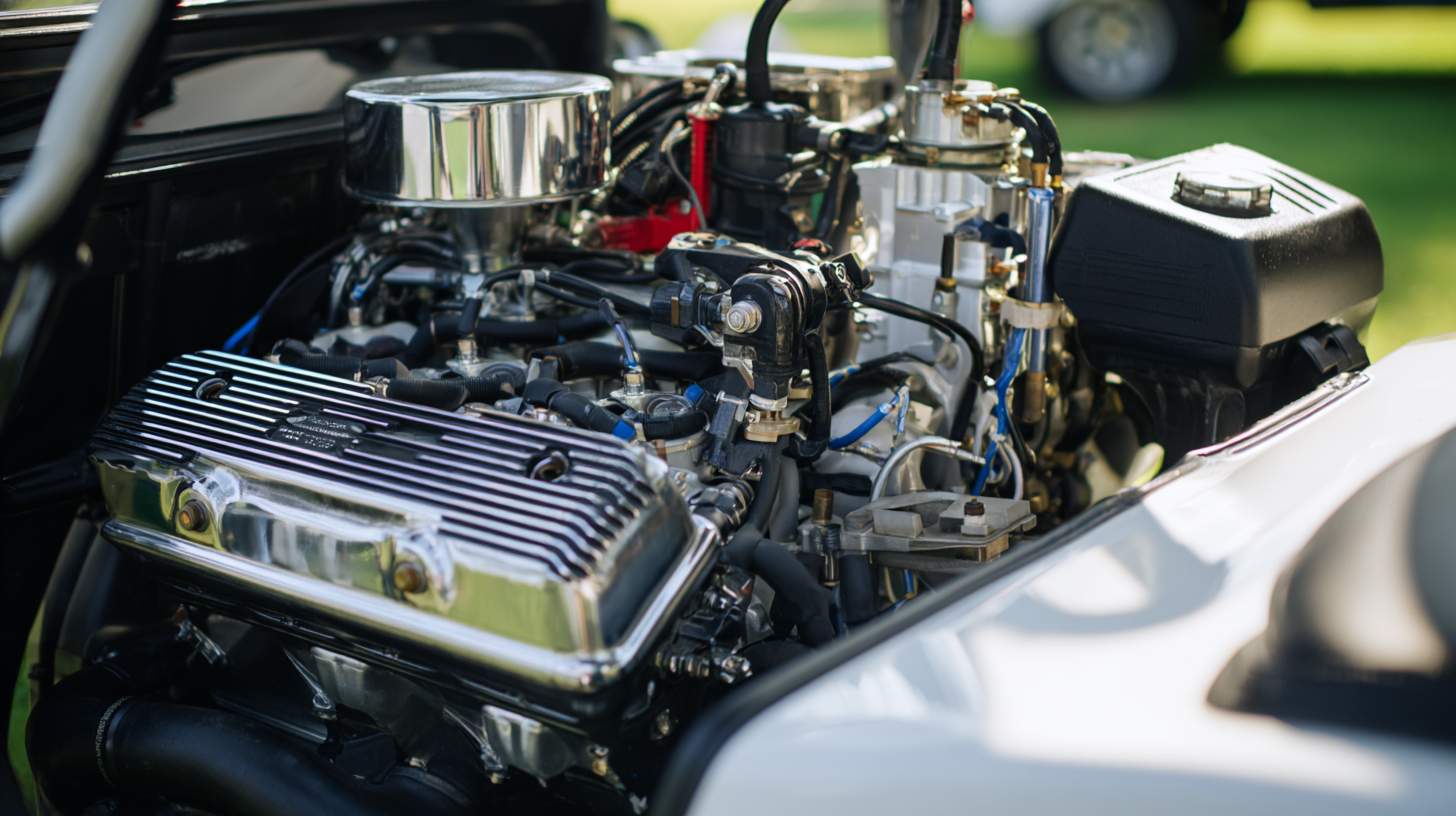
Another thing to think about is cost. Honestly, manufacturing costs can vary a lot depending on where you’re sourcing from. According to the World Bank, factors like labor costs, material prices, and tariffs can really swing the price tags. For example, you might save a decent chunk by sourcing from countries with lower labor costs, but you still want to keep quality front and center—never compromise on that. And don’t forget about the logistics side of things—shipping times, import rules, all that stuff. Getting a handle on these details can really help streamline your entire process, making your supply chain smoother and more efficient. When you take all these factors into account, you'll be better equipped to find engines that not only satisfy your performance needs but also give you solid value in the long run.
Tips for Negotiating Prices and Ensuring Quality Control
Negotiating prices for golf cart engines can really make a big difference in your overall budget — all while making sure you get good quality gear. I’d suggest starting with some solid market research. Get a feel for what the average price ranges are for the engines you're after. This way, you walk into negotiations feeling more confident because you've got the facts in hand. When talking to suppliers, try to keep things friendly but also be firm about your limits. Show genuine interest in what they’re offering, but don’t be shy about sharing your budget constraints. And hey, don’t be afraid to make counteroffers — most suppliers expect some back-and-forth. It’s all part of the game.
On the quality side, that’s just as important. Once you settle on a price, make sure to verify the quality of the engines. Ask for samples or prototypes if you can — it’s a good way to see what you’re really getting. Also, check if they have certifications or warranties; these can give you some peace of mind. It’s smart to set clear quality standards at the start, maybe include clauses in your agreement about inspection procedures and what happens if the products don’t meet your expectations. By finding that sweet spot between smart price negotiations and solid quality checks, you'll end up with the best golf cart engines for your project — without breaking the bank.
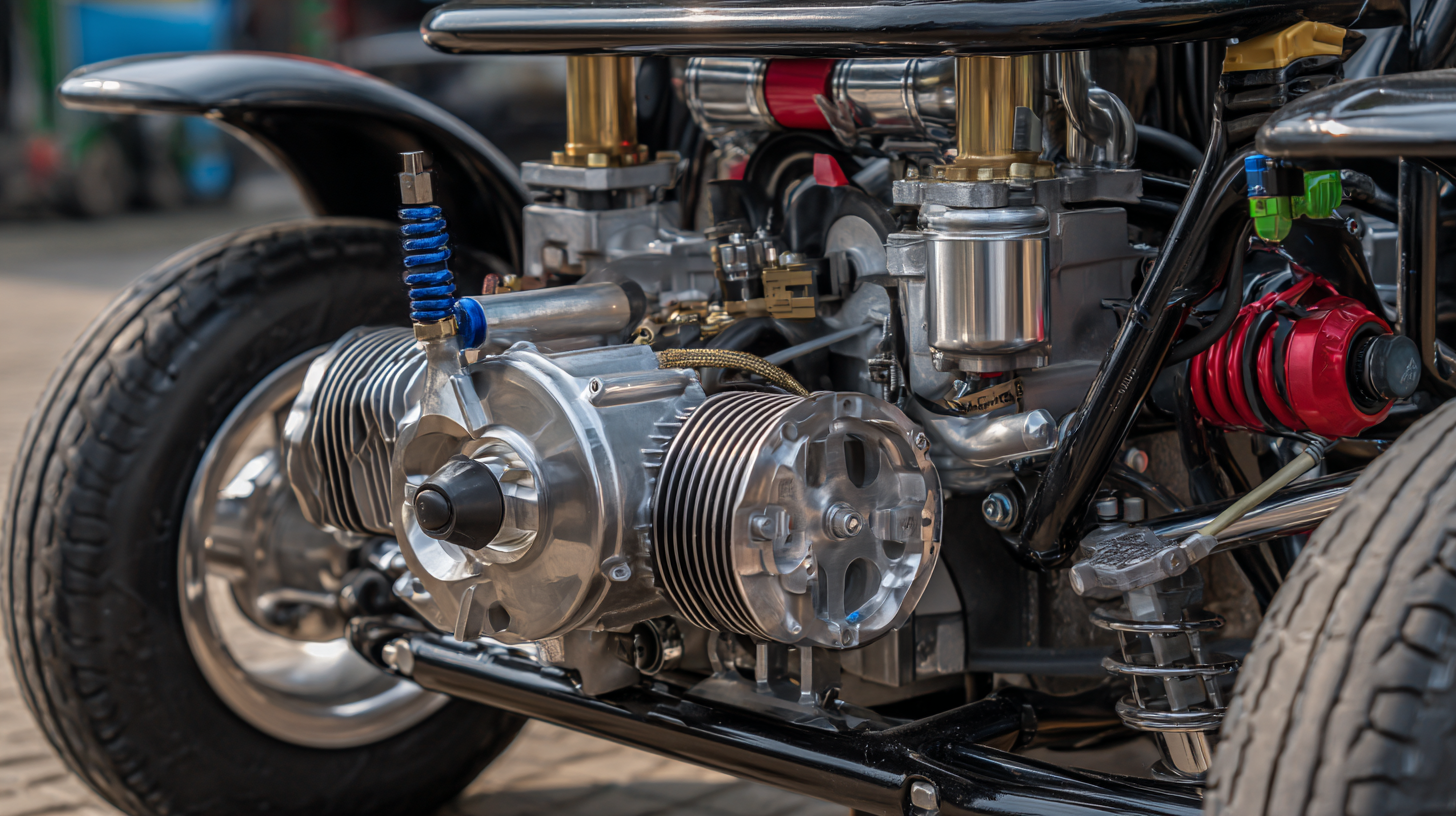
Navigating Shipping and Import Regulations for Golf Cart Engines
When you're looking to source golf cart engines from around the world, it’s really important to get a good handle on the shipping rules and import laws.
Every country has its own set of regulations, especially when it comes to engine parts, emissions, and environmental standards. Honestly, taking some time to understand both the country you're importing from and your own local rules can save you a lot of trouble down the line.
Things like restrictions on certain engine types, shipping weight limits, and the paperwork needed for customs can vary a lot — so, it’s worth doing your homework.
And let’s not forget about the logistics side of things. Teaming up with reliable freight forwarders who know their way around automotive parts can really make a difference. They can help you figure out the best way to package everything, avoid damage during transit, and might even suggest cheaper shipping options or warn you about potential tariffs when your stuff arrives.
So, if you follow these pointers, you'll be in a much better spot to get those high-quality golf cart engines without running into legal hiccups or shipping headaches. Just takes a bit of planning, and you’re golden.
Essential Maintenance: Upgrading Your Golf Cart with the Passenger Side Spindle Assembly for Club Car DS Models
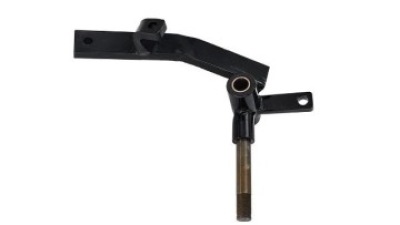
Upgrading the passenger side spindle assembly on your Club Car DS golf cart is not just about performance, but also about safety and reliability. If you own a gas or electric model from 1981 to 2003, ensuring that the spindle assembly is in top condition is essential for maintaining the cart's handling and stability. The right replacement part can make all the difference, and opting for a spindle assembly with a bronze bushing can enhance the durability and performance of your cart, minimizing friction and wear.
When selecting the appropriate spindle assembly, you can look for specific OEM numbers such as CLUB CAR 1010344, 1010347, and 1011392, or parts from trusted suppliers like CART PARTS CP1010347 and FOREPAR 1010347. These components are designed to fit perfectly with your Club Car DS model, making installation straightforward while delivering the reliability that golf cart enthusiasts expect. Investing in high-quality replacement parts will ensure your vehicle operates smoothly on the course or around your neighborhood, keeping it a joy to drive for years to come.
FAQS
: The two main types of golf cart engines are electric and gas-powered engines.
Electric engines are known for their quiet operation and low maintenance, making them ideal for residential communities and golf courses.
Gas-powered engines provide more power and longer range, making them suitable for rugged terrains and extended use.
Research different brands, read user reviews, and consider performance and fuel efficiency ratings to gauge reliability and output.
Collaborating with reputable suppliers ensures that you obtain engines that meet quality standards and are reliable.
It's important to consider the serviceability of the engine; easy-to-maintain engines can save time and costs in the long run.
Understanding shipping and import regulations is crucial to ensure a smooth transaction and to comply with various laws regarding emissions and environmental standards.
Freight forwarders help navigate the complexities of international shipping, ensuring proper packaging and handling, as well as providing insights into cost-effective shipping methods and potential tariffs.
Familiarizing yourself with the necessary documentation required for customs clearance is essential, including any restrictions on engine types and weight limits for shipping.
By adhering to quality standards, sourcing from reputable suppliers, and considering user reviews, you can effectively ensure the quality of the engines you source.
Conclusion
Looking to find the best golf cart engines from around the world? Well, it all starts with understanding the different types of engines out there and what they’re best suited for. Getting a good grip on performance specs and efficiency can really help you pick the right engine for your needs—makes the whole process a lot smoother. And let’s not forget about reliable suppliers; knowing where to find them globally can save you a bunch of headaches down the line. When you’re importing engines, factors like quality control and negotiating prices become super important. Plus, navigating shipping, customs, and import rules is a bit of a juggling act but essential for a hassle-free transaction.
At TOP GOLF CO., LTD, we’re proud of what we do — creating top-notch parts, including engines for popular golf carts like Club Car, E-Z-Go, and Yamaha. Thanks to our experience in manufacturing, we’re able to deliver high-quality golf cart engines at reasonable prices. Our goal? To make sure every ride runs smoothly and you’re totally happy with what you get.
 0086-13925528791
 CONTACT XXCART
 CONTACT XXCART