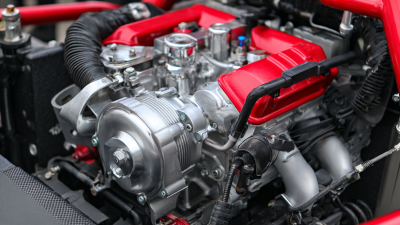
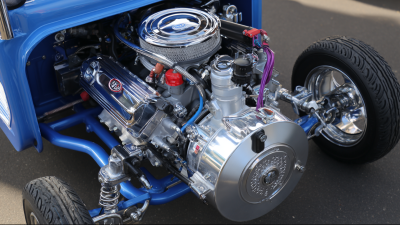
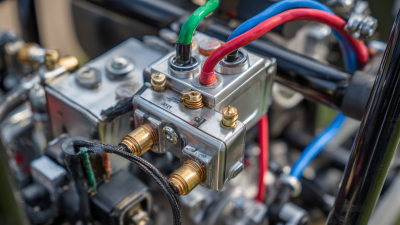
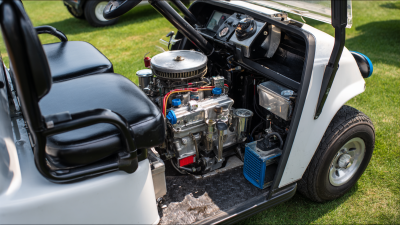
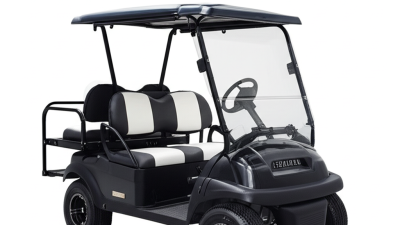
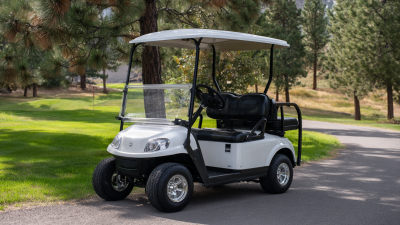
Picking out the right Golf Cart engine might seem like a small thing, but honestly, it can make a big difference in how you play. You want something that’s reliable and packs enough power to give you a smooth ride—because, let’s be honest, no one wants to be jostled all over the place. When you're choosing, there are a few things you should keep in mind. Things like engine size, whether it runs on gas or electric, and horsepower—those all matter. For example, electric engines are super quiet, which is pretty nice, but gas engines tend to go farther and give you that quick burst of speed when you need it. Think about what’s more important for you—are you looking for a silent ride or more distance and power? No rush on making a decision, though. There are tons of options out there, and not every single one is right for everyone. Brands like Club Car and Yamaha are worth checking out. Also, take some time to read reviews and ask around—what are real users saying? At the end of the day, choosing the right engine isn’t just about specs; it’s about making your golfing experience better and more fun. You’ll thank yourself when each game is smooth and enjoyable.
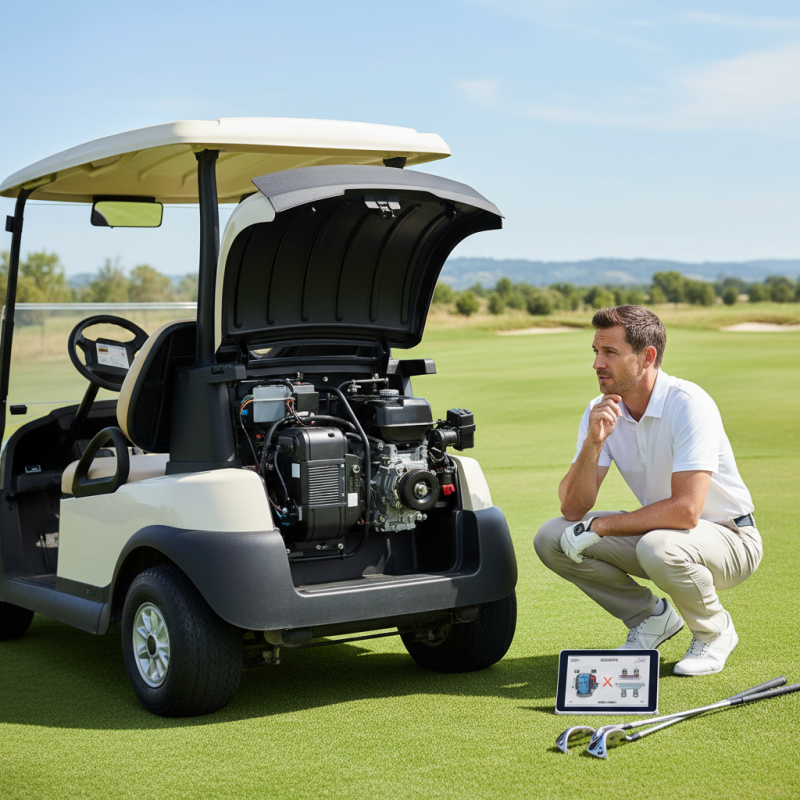
Understanding Different Types of Golf Cart Engines: Gas vs. Electric
When choosing Golf Cart Engines, understanding the difference between gas and electric options is crucial. Gas engines typically provide more power and range. They can handle rough terrains effortlessly. However, they require more maintenance. The noise factor may also be a concern for some. A gas engine is often favored for larger properties or hilly courses.
On the other hand, electric engines are gaining popularity. They are quieter and produce zero emissions, which is great for the environment. Charging can be a hassle. Battery life varies significantly. This type of engine is ideal for flat terrains and shorter distances. Many golfers appreciate the simplicity and low operational cost.
There’s no one-size-fits-all solution. Each type of engine has its pros and cons. It’s vital to reflect on personal needs and preferences. Consider factors like terrain, distance, and environmental impact. This thoughtfulness can lead to a better choice.
Key Performance Metrics for Golf Cart Engines: Power, Torque, and RPM
When selecting Golf Cart Engines, understandingpower, torque, and RPMis vital. Power indicates how much work an engine can do over time. It's often measured in horsepower. Most Golf Cart engines range from10 to 30 HP. Higher horsepower gives better acceleration but can affect battery life in electric carts.
Torque, measured in pound-feet, shows the engine's pulling strength. Golf carts typically deliver 20 to 35 lb-ft of torque. A higher torque translates to better performance on inclines or rough terrain. For instance, an engine with 30 lb-ft of torque will perform better on hills compared to one with 20 lb-ft. This matters especially for courses with challenging topography.
RPM, or revolutions per minute, is crucial for engine efficiency. Typical golf cart engines run between 3,000 to 4,500 RPMs. Running at optimal RPM is essential for maintaining speed without sacrificing fuel efficiency. However, some engines may struggle at higher RPMs, leading to overheating or increased wear. These factors should not be overlooked in the selection process, as they directly impact long-term performance and maintenance needs. Consider all metrics carefully for a balanced choice.
Evaluating Fuel Efficiency in Golf Cart Engines: Cost and Environmental Impact
When considering golf cart engines, evaluating fuel efficiency is crucial. Optimal fuel consumption reduces operational costs and minimizes environmental impact. According to a report by the National Golf Foundation, golf course fleets consume around 30 million gallons of fuel annually. This leads to significant emissions and running costs.
Electric golf carts offer an attractive alternative. They produce no tailpipe emissions and generally convert energy more efficiently than gas models. The U.S. Department of Energy states that electric vehicles can use approximately 60% of the electricity from the grid, compared to about 20% for internal combustion engines. That's a stark difference when considering long-term sustainability.
Tips: Always evaluate the total cost of ownership. Consider not only purchase price but also fuel costs and maintenance. Be mindful of local environmental regulations that may affect your choices. Research battery life and replacement costs if opting for electric models. A small oversight can lead to substantial expenses later.
Choosing the Right Engine Size for Your Golf Cart: CC and HP Considerations
Choosing the right engine size for your golf cart can significantly impact its performance. The terms "CC" and "HP" are crucial. CC stands for cubic centimeters, and it measures the engine's displacement. Higher CC usually means more power and speed. However, a larger engine may not always translate to better performance for every user.
Horsepower (HP) tells you how much work the engine can do. A higher HP means quicker acceleration. But what if you don't need that speed? A smaller engine might be more efficient and cost-effective. It’s essential to evaluate your needs. Do you plan to drive on steep hills or flat terrain? Those scenarios demand different engine sizes.
Consider your typical use. If you drive short distances, a smaller engine could suffice. On the other hand, for frequent long trips, you may want more power. Reflect on your golf cart's purpose. Choose wisely, as the wrong engine size can lead to underperformance or inefficiency. Testing different sizes in real-world scenarios can reveal what truly works best for you.
Maintenance Requirements for Golf Cart Engines: Longevity and Performance
Golf cart engines require regular maintenance for optimal performance and longevity. According to industry reports, about 40% of engine failures stem from inadequate upkeep. Simple tasks can prevent bigger issues down the line. Regular oil changes and air filter replacements can significantly enhance engine efficiency. Many cart owners overlook these basics. This can lead to decreased performance.
Tips: Set a maintenance schedule. Check the oil every month and replace filters twice a year. Keep the fuel clean too — dirty fuel damages engines.
Battery maintenance is equally crucial. A fully charged battery delivers better performance. Research shows that poorly maintained batteries can reduce engine life by 30%. Cleaning battery terminals from corrosion is often ignored. This small task sustains the battery's lifespan.
Tips: Use a mixture of baking soda and water for cleaning. Ensure connections are tight after maintenance checks. Regular inspections can catch wear before it becomes a problem.
Consider adding fuel stabilizers for storage. They help prevent fuel degradation. Longevity in golf cart engines comes from proactive care and monitoring small details. These measures help maintain performance over time, ensuring your golf cart runs smoothly.
How to Choose Golf Cart Engines for Optimal Performance? - Maintenance Requirements for Golf Cart Engines: Longevity and Performance
| Engine Type | Horsepower | Fuel Type | Maintenance Frequency | Expected Lifespan |
| Gasoline Engine | 10-15 HP | Gasoline | Every 100 hours | 10-15 years |
| Electric Engine | 5-15 HP | Electric | Quarterly | 8-12 years |
| Hybrid Engine | 7-20 HP | Gasoline & Electric | Every 150 hours | 10-14 years |
Upgrading Your Golf Cart Engine: When and Why to Consider Modifications
Upgrading your golf cart engine can significantly enhance its performance. Many golfers seek better speed and power. When considering modifications, ask yourself why you wish to upgrade. Are you looking for improved efficiency or increased torque? Evaluate your needs.
Many cart owners overlook the importance of the engine’s compatibility. Not all engines fit all carts. You might encounter issues if the engine doesn’t match your cart's specifications. Pay attention to the engine’s size and specifications. A slight mismatch can result in poor performance.
Tips for upgrading:
- Research engine types before making a decision.
- Consider a professional installation for better results.
- Make sure to read user reviews and experiences.
As you reflect, be cautious. Some upgrades can affect warranty status. You may sacrifice reliability for speed. Think about the trade-offs involved. Every decision carries weight. Evaluate your choices carefully.
Impact of Engine Type on Golf Cart Speed and Terrain Capability
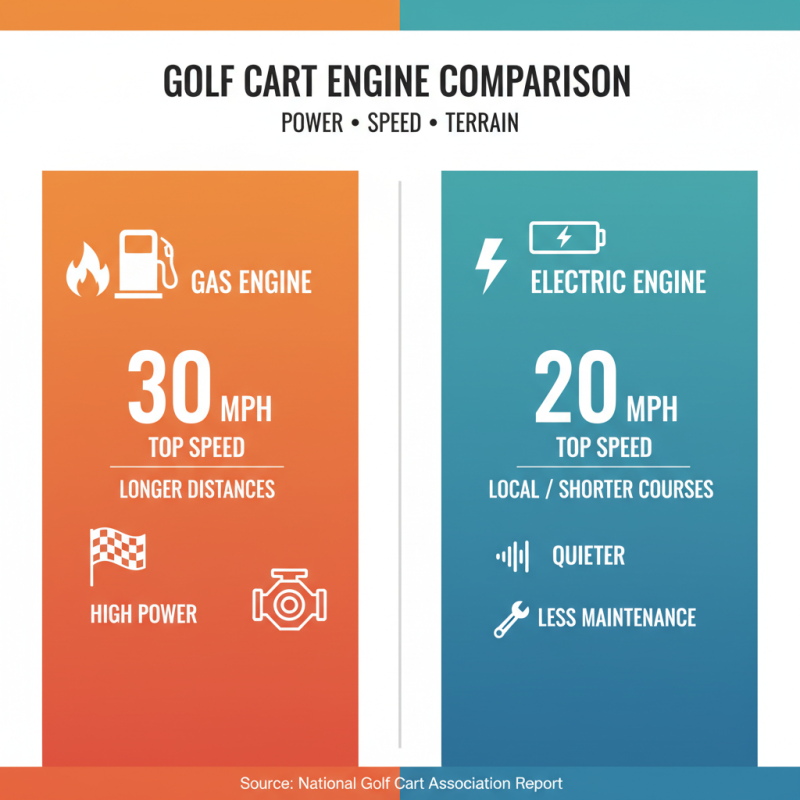
Choosing the right engine for a golf cart significantly impacts its speed and terrain capabilities. Gas engines typically provide more power than electric ones, allowing for higher speeds. According to a report from the National Golf Cart Association, gas carts can reach speeds of up to 30 mph, ideal for longer distances. In contrast, electric carts often max out around 20 mph, making them less suitable for sprawling golf courses.
Terrain performance also hinges on engine type. Gas-powered carts excel on hills and uneven ground due to their superior torque. They can handle inclines better than electric carts, which struggle in these conditions. A study by Golf Course Management revealed that more than 50% of golf course operators prefer gas engines for their reliability on varied terrains. However, the convenience of electric carts cannot be ignored. They require less maintenance and are quieter, making them a popular choice for those preferring a serene experience.
Nevertheless, it’s vital to consider individual needs. While a gas cart offers speed and power, the initial purchase and ongoing fuel costs can be high. Electric carts, although slower, can save money over time on maintenance and electricity. Balancing speed, terrain capability, and cost often leads to a difficult decision for many users.
Enhancing Golf Cart Performance: The Impact of Quality Brake Return Springs on Safety and Efficiency in Electric Club Cars (1988-1998)
The performance of electric golf carts, particularly models manufactured between 1988 and 1998, heavily relies on the effectiveness of their braking systems. Among the critical components that ensure both safety and efficiency in these vehicles are the brake return springs. A well-functioning brake return spring is essential for the proper operation of the brake pedal, allowing for smooth engagement and disengagement. This not only enhances the overall driving experience but also significantly impacts the safety of the operator and passengers.
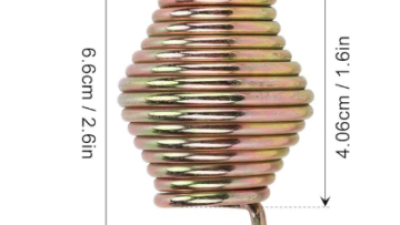
The Brake & Throttle Return Spring 1013531 is an ideal replacement component for Club Car DS Electric models from 1988 to 1998. Made from high-quality metal, this brake pedal return spring is designed to withstand the rigors of daily use while providing reliable performance in stopping the vehicle promptly. The durability of this spring ensures that it will maintain its effectiveness over time, helping to prevent brake failure and improving the responsiveness of the braking system. By investing in quality replacement parts, golf cart owners can enhance their carts' reliability and ensure a safer driving environment.
FAQS
: Various services include consulting, training, and technical support. Each service can help meet specific needs.
Assess your goals and challenges. Consider what areas need improvement for your specific situation.
Timelines can vary widely. Some projects finish in weeks, while others may take months depending on complexity.
Be clear and concise. Outline your goals and expectations, as well as any constraints or limitations.
It's normal to have questions. Reach out for clarification or adjustments when you feel uncertain.
Yes, many services can be tailored. Customization helps in addressing unique requirements more effectively.
Review your goals. Sometimes adjustments are needed to align expectations with reality for better outcomes.
Many providers offer follow-up. This can help ensure sustained success and address any additional concerns.
Feedback is important. Share your thoughts through surveys, direct communication, or informal discussions.
Reflect on past experiences. Identify what worked well and areas for improvement for future success.
Conclusion
When selecting Golf Cart Engines for optimal performance, it's crucial to understand the differences between gas and electric options. Each type offers unique advantages, impacting key performance metrics such as power, torque, and RPM. Evaluating fuel efficiency is also essential, as it relates to both cost and environmental implications.
Choosing the appropriate engine size involves considering CC and HP to ensure compatibility with the golf cart's intended use. Maintenance is vital for longevity and performance, while upgrading possibilities should be assessed based on individual needs and intended modifications. Ultimately, the type of engine significantly influences the speed and terrain capability of the golf cart, making it important for users to carefully evaluate their options.

 0086-13925528791
 CONTACT XXCART
 CONTACT XXCART