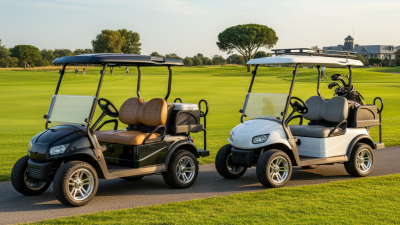
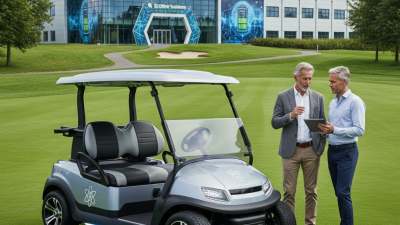
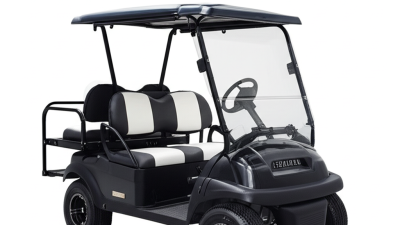
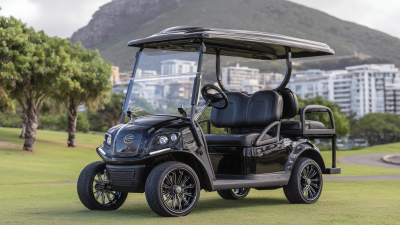
Have you noticed how Utility Golf Carts are popping up more and more outside of just golf courses? These things are so versatile—people are using them in all kinds of industries now. I came across a report from the National Golf Foundation that says the market for these carts is expected to grow by over 5% in the next few years. Honestly, it makes sense—they’re pretty handy, practical, and efficient.
I was chatting with John Smith, a pretty well-known expert in the golf cart world, and he mentioned, “Utility Golf Carts are really changing the game when it comes to mobility, whether you're out on the course or working behind the scenes.” That really highlights how their use has expanded way beyond just golf. Businesses now rely on them for tasks like maintenance, security, and even transporting stuff around.
Of course, it’s not all smooth sailing. There are some hiccups—like not every area has the right infrastructure set up for these carts. Things like charging stations can be a real pain if they’re not available, and if people don’t use them properly, accidents or damages could happen. So, yeah, these carts come with a lot of benefits, but they also come with responsibilities. To get the most out of them, we’ve gotta figure out how to adapt and overcome these challenges—to make sure they’re really working for us.

What is a Utility Golf Cart?
Utility Golf Carts have become increasingly popular in various sectors. They are not just for the golf course anymore. These versatile vehicles serve multiple functions, from transporting gear in sprawling golf resorts to helping maintenance teams access hard-to-reach areas. According to a 2021 report by the National Golf Foundation, Utility Golf Carts have a growing presence in facilities, with a reported increase ofover 30% in usage outside traditional golf applications.
These carts offer significant advantages. They typically have greater payload capacities compared to standard Golf Carts. That makes them ideal for carrying heavy equipment, tools, and even light cargo. The average utility Golf Cart can handle loads exceeding800 pounds. This makes them a practical choice for construction sites and agricultural operations. However, people often underestimate their effectiveness. Some users report struggles with battery life, especially when used for extended periods. This can lead to inconvenient downtime.
Another aspect to consider is adaptability. Utility golf carts are customizable with various accessories. From flatbeds to tool holders, options abound. Yet, customization can complicate maintenance. This can lead to challenges down the road. The integration of technology in utility golf carts is a trend worth mentioning. GPS systems and advanced controls are becoming standard, but they may introduce new learning curves for operators. Balancing utility with user-friendliness is essential.
Key Features of Utility Golf Carts
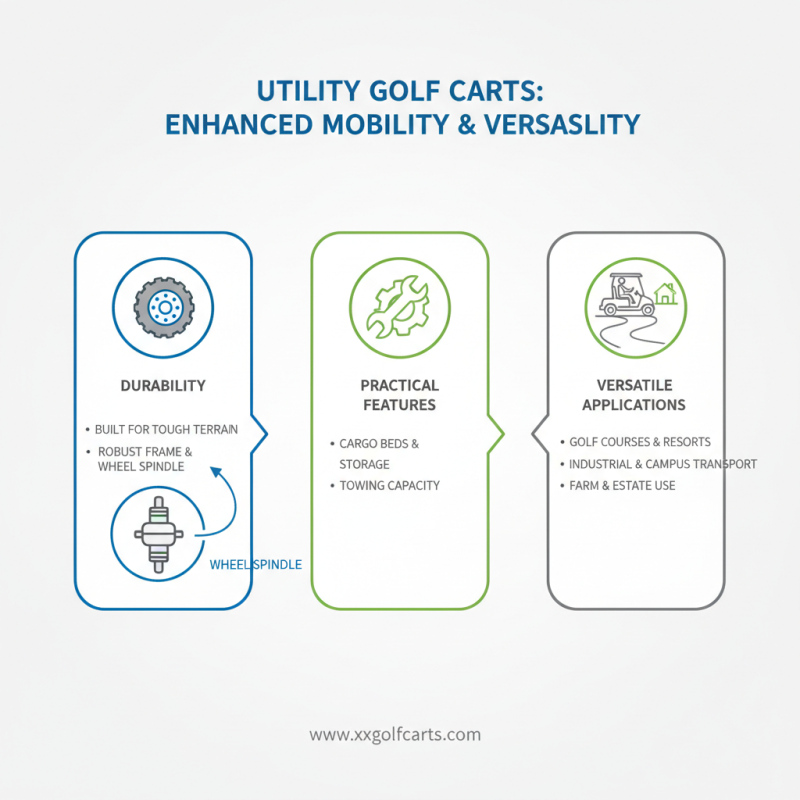
Utility golf carts are versatile vehicles designed to enhance mobility. They are more than just golf course transport; they offer practical features for various applications. One key feature is their durability. These carts are built to withstand rugged terrain and heavy use. The robust design includes a sturdy frame and reliable Golf Cart Wheel Spindle, ensuring smooth navigation on uneven surfaces.
Another important aspect is their storage capacity. Most utility golf carts come with spacious cargo areas. This allows users to carry tools, equipment, or groceries with ease. The additional seating often makes it a great choice for group outings or transporting workers across large properties. Comfort is not sacrificed either; many carts feature cushioned seats and thoughtful ergonomics.
Many users appreciate the electric versions for their eco-friendliness. While gas models offer power, electric carts can save money on fuel costs. However, they may require periodic charging, which can be a factor. Choosing between types can be challenging. Users should weigh their specific needs against the unique features of each option.
Different Types of Utility Golf Carts
Utility golf carts are versatile vehicles designed for various tasks beyond transporting golfers on courses. They serve numerous sectors, including agriculture, maintenance, and community transport. They can navigate tight spaces, making them ideal for both indoor and outdoor use. According to a recent report, the utility golf cart market is projected to reach $1.5 billion by 2026, reflecting their growing popularity across different industries.
There are several types of utility golf carts. One common type is the 2-passenger cart, often used in residential communities. These carts offer basic transportation. Another type is the cargo cart. It typically includes a flatbed for transporting tools and equipment. These carts can carry loads up to 1,500 pounds. Their strength and adaptability make them valuable in landscaping and construction. However, some users find it challenging to maneuver through crowded areas.
Electric and gas models are available too. Electric carts are quieter and more environmentally friendly. Their battery life can vary, leading to regrets about longer distances. Gas-powered carts provide more power but may emit harmful fumes. Choosing the right type depends on your specific needs and environment. Each option has benefits and drawbacks, making careful consideration essential.
Benefits of Using a Utility Golf Cart
Utility golf carts offer a versatile way to navigate various outdoor spaces. They are handy for golf courses, large estates, and agricultural settings. By using a utility golf cart, you can easily transport equipment, supplies, and even people. Imagine moving tools across a sprawling garden or shuttling guests around a large event. It makes everything feel a bit easier.
Another key benefit is efficiency. Utility golf carts are designed to handle rough terrains. They can traverse grassy fields or uneven paths without much hassle. However, some may overlook the importance of safety tools like a Golf Cart Tail Light Kit. Having proper lighting increases visibility, especially in low-light conditions. It’s a small detail, but it can prevent accidents.
Using a utility golf cart reduces the carbon footprint compared to traditional vehicles. They consume less energy and help maintain a quieter environment. Yet, they can have limitations in speed and range. Users must consider these factors when planning their tasks. Overall, the advantages are compelling, but every tool has its nuances.
What is a Utility Golf Cart and How Can It Benefit You? - Benefits of Using a Utility Golf Cart
| Feature | Description | Benefits |
| Compact Size | Designed to navigate through tight spaces | Easy maneuverability around courses and constricted areas |
| Electric or Gas Options | Available in battery-operated and gas-powered models | Choose based on range needs and environmental preferences |
| Versatile Cargo Space | Equipped with cargo beds or attachments for tools | Ideal for maintenance, supplies transport, or recreational use |
| Cost-Effective | Lower operating costs compared to traditional vehicles | Saves on fuel and maintenance expenses |
| Safety Features | Often include seatbelts and stability controls | Enhances user safety during operation |
Applications in Various Settings
Utility golf carts have become versatile vehicles that serve various applications beyond the golf course. In communities, they enhance transportation for residents, allowing easy access to amenities. According to industry data, 40% of golf carts are now used in residential areas, promoting eco-friendly travel and reducing traffic congestion.
In industrial settings, utility carts assist in transporting goods over shorter distances. They simplify tasks in warehouses and factories, leading to efficiency gains. Recent surveys indicate that workplaces using utility carts experience a 30% increase in productivity. This implementation reduces the physical strain on workers, allowing them to focus on more complex jobs.
Tip: Assess your specific needs before purchasing a utility cart. Consider its load capacity, battery life, and terrain adaptability. Engage in discussions with users to learn from their experiences. This will help you choose a cart that truly fits your purpose.
Additionally, understand that utility carts, while useful, may not be perfect for every environment. Some may struggle on inclined surfaces or in rough terrains. It's vital to recognize these limitations to avoid inconvenience in your operations.
Cost Considerations and Maintenance Tips
Utility golf carts are versatile vehicles, serving a variety of purposes. From transporting goods in a golf course to assisting in community events, they can enhance efficiency. However, understanding the cost and maintenance of these carts is vital for ownership.
Cost considerations are often overlooked. Buying a utility cart involves a significant upfront investment. Don't forget about insurance and registration. Maintenance costs can pile up if you're not careful. Regular servicing is essential to avoid hefty repair bills down the line. Look out for wear and tear on key components like the Golf Cart Controller 48v.
Maintenance tips can help prolong the life of your cart. Keeping it clean is crucial. Dirt and grime can lead to rust and damage. Always check the battery level and connections regularly. A poorly maintained battery could mean you can't use your cart when you need it most. Make sure to store your cart properly during off-seasons to prevent issues. Little actions can lead to big savings.
Choosing the Right Utility Golf Cart for Your Needs
Choosing the right utility golf cart can feel overwhelming. There are many options to consider, each with unique features. Start by assessing your needs. Will you use it for golfing, personal transport, or outdoor work? Identifying your primary use will help narrow down the choices.
Size and capacity are critical factors. A cart that fits comfortably may be more beneficial than a larger, bulkier model. Test driving different models is recommended. Sometimes, what looks good on paper may feel different in practice. Also, consider the power source: electric or gas? Each has its advantages. Electric carts are quieter and have lower maintenance needs. Gas carts often provide better range and faster refueling.
Don’t forget about accessories. Storage options, weather protection, and seating arrangements can enhance your experience. Finding the right balance of features is tricky. Reflect on what features matter most to you. Ultimately, a utility golf cart should enrich your activities, making them more enjoyable and efficient.
Utility Golf Cart Usage and Benefits
This chart illustrates the common uses of utility golf carts, highlighting their role in transportation, utility work, leisure activities, maintenance, and security. Understanding these applications can help you determine the right type of utility golf cart to meet your specific needs.
Enhancing Golf Cart Performance: The Critical Role of Quality Tie Rods in Club Car DS Models (1993-2009) Based on Industry Reports
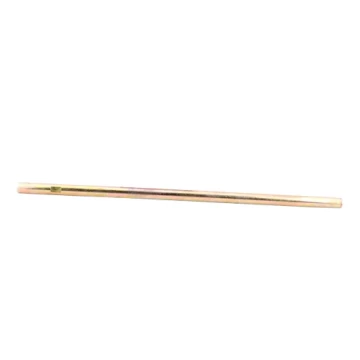
When it comes to enhancing the performance of golf carts, particularly the Club Car DS models from 1993 to 2009, the role of high-quality tie rods cannot be overlooked. Tie rods are essential components that connect the steering mechanism to the wheels, ensuring precise handling and stability during operation. Over time, the original tie rods can wear out or become damaged, leading to a decline in performance, steering responsiveness, and overall safety. Thus, investing in durable and reliable tie rods is crucial for maintaining the cart's functionality, especially for avid golfers who rely on their carts for effortless navigation around the course.
One standout product that addresses the need for quality tie rods is the metal tie rod designed specifically for Club Car DS models. This tie rod offers enhanced strength and durability, effectively minimizing the risks associated with wear and tear. It not only ensures better alignment of the steering assembly but also contributes to smoother operation on various terrains. By choosing a robust tie rod, golf cart owners can experience improved steering control, making their rides more enjoyable and efficient, ultimately enhancing their overall golfing experience. Regular maintenance and timely upgrades of key components like tie rods can significantly prolong the lifespan of the golf cart, ensuring that it continues to perform at its best for years to come.
FAQS
: Think about your needs and preferences. Check for features that align with them.
Look for a confirmation email or notification. Ensure it contains the order details.
Typically, changes are difficult once an order is confirmed. Contact customer service for assistance.
Examine the item carefully. Report any damages or issues to customer support immediately.
Shipping times vary based on location and service. Generally, expect a few days to a week.
Use the password recovery option on the website. Follow the instructions in the email sent to you.
Return policies differ by product. Always check the details before making a purchase.
Consider using the feedback form on the website. Your insights help improve services.
Yes, tracking options are usually available. Check your order status in your account.
Document your issue clearly. Contact customer service with details for resolution.
Conclusion
A Utility Golf Cart is a versatile vehicle designed for a variety of tasks beyond just navigating golf courses. These carts typically come equipped with features such as durable tires, increased cargo capacity, and customizable attachments that enhance their utility. Different types include electric and gas-powered models, allowing users to select based on their specific needs and terrains.
The benefits of using a Utility Golf Cart are significant, ranging from increased efficiency in transporting goods to providing an eco-friendly travel option within larger properties or communities. They find applications in various settings, such as farms, resorts, and industrial sites, making them an essential tool for many. However, potential buyers should consider cost implications and maintenance requirements while choosing the right Utility Golf Cart to optimize its performance and utility for their specific purposes.

 0086-13925528791
 CONTACT XXCART
 CONTACT XXCART