When it comes to electric vehicles, Lithium Golf Carts really stand out for being efficient and delivering solid performance. Industry expert John Carter from EcoDrive Solutions even says, “Lithium Golf Carts will shape the future of recreational vehicles,” which shows how this trend is catching on among manufacturers. Honestly, it’s pretty exciting to see where it’s heading.
People are really digging the demand for Lithium Golf Cart Batteries 48v. Lots of factories are hustling to keep up with the hype, but not all of them are playing it straight. Some manufacturers cut corners to save costs, and that can end up affecting how well the carts perform—or, worse, safety. So, if you’re shopping around, you really have to be careful and do some homework to pick a good supplier.
It’s also worth weighing the good stuff against the not-so-good. Sure, many Lithium Golf Carts promise long-lasting power and durability, but not all are created equal. Experts suggest doing your research — check out different manufacturers, read reviews, compare specs. Finding the right one isn’t always quick or easy, but rushing into it might just lead to headaches down the line. Better to take your time now and avoid the frustration later, right?

Overview of CE Certification and Its Importance for Lithium Golf Carts
CE certification plays a vital role in ensuring the safety and quality of Lithium Golf Carts. It assures consumers that products meet European safety standards. This is crucial given the growing popularity of these eco-friendly vehicles. Many manufacturers seek this certification to enhance trust and credibility among buyers.
Lithium Golf Carts are often used in various environments. They are popular in golf courses, resorts, and residential communities. However, not all carts are created equal. Some may lack appropriate safety measures, while others may not perform as promised. This inconsistency raises questions about reliability. Consumers must be vigilant when selecting carts to ensure they invest wisely.
Evaluating a factory’s CE certification process is essential. A well-documented process reflects a manufacturer’s commitment to quality. It should show clear testing protocols and rigorous inspections. Yet, some companies may overlook certain details in their certification process. This can lead to failures in safety tests or performance. Taking the time to research and understand CE certification can make all the difference for potential buyers.
Key Features to Look for in Lithium Golf Cart Factories
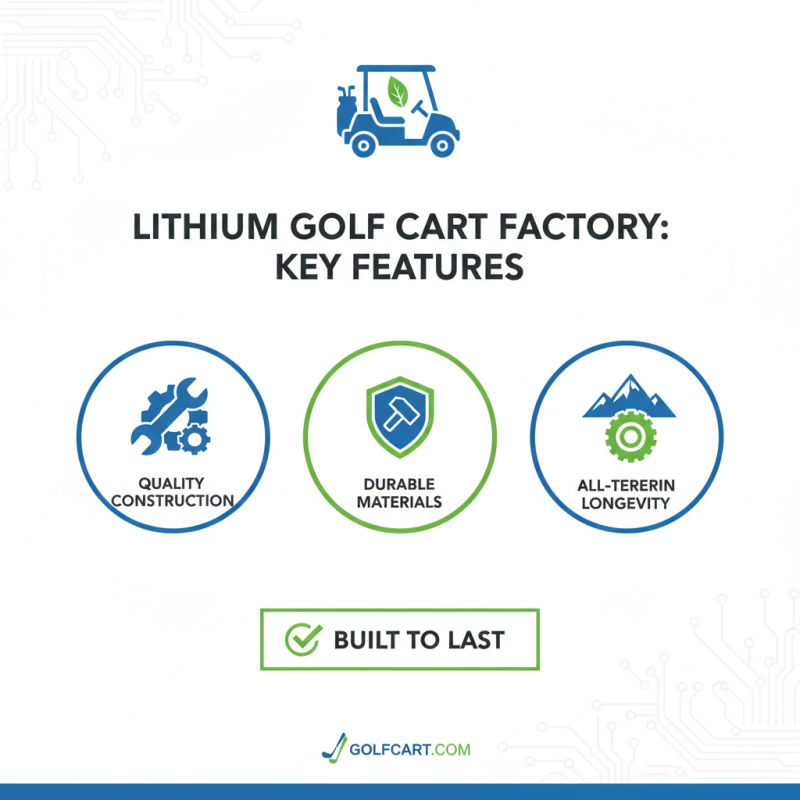
When searching for a lithium golf cart factory, consider key features that matter most. Quality construction is essential. Look for factories that use durable materials. Golf carts face various terrains, and strong components ensure longevity.
Battery technology is another critical aspect. Lithium batteries should have a high energy density. This enhances performance and extends the cart's range. A factory's commitment to innovation can indicate better technology. Some factories might not prioritize this, reflecting in their products.
Tips: Always ask about warranties. This shows the factory's confidence in their product. Check customer reviews. Feedback can reveal potential issues. Not all factories meet the same standards; do your research. Aim for those with a solid reputation.
Top Manufacturers of Lithium Golf Carts with CE Certification
Lithium golf carts are becoming more popular due to their efficiency. Many manufacturers emphasize CE certification, ensuring compliance with European safety standards. This certification can enhance marketability and assurance for consumers. A recent industry report highlighted that the demand for lithium batteries in golf carts grew by 25% in 2022.
Top manufacturers focus on using high-quality components. For example, 36 Volt Lithium Golf Cart Batteries are crucial for optimal performance. Customers look for reliable power options that enhance golf cart range and functionality. Battery efficiency impacts ride time, making it essential for golfers who want uninterrupted play.
However, not all manufacturers meet high standards. Some may cut costs and compromise quality. It’s important for buyers to investigate and review factories. Quality may vary, leading to inconsistent product performance. Industry data shows that 15% of battery failures relate to manufacturing defects. Choosing the right supplier can significantly affect overall satisfaction and longevity of the product.
Comparing Performance: Best CE Certified Lithium Golf Carts
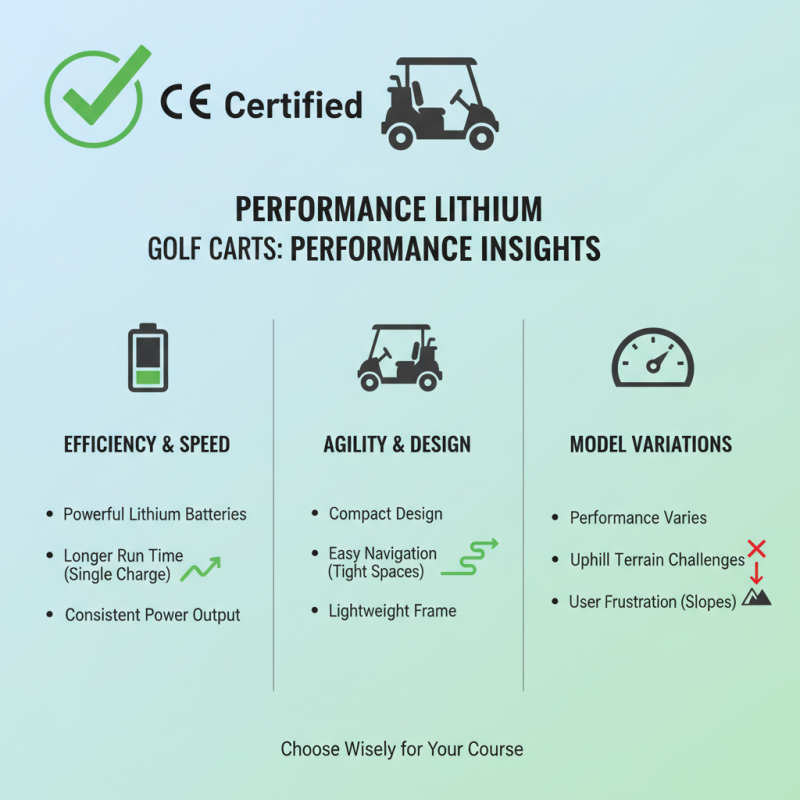
When considering performance, the best CE certified Lithium Golf Carts stand out for their efficiency and speed. These carts often have powerful lithium batteries, which help them run longer on a single charge. Users value the compact design that makes it easy to navigate tight spaces on the golf course. However, performance can vary significantly between different models. Some may fall short in uphill terrains, leaving users frustrated.
Additionally, weight plays a crucial role in performance. Lighter lithium golf carts often provide better acceleration and handling. Yet, finding the perfect balance between weight and durability can be challenging. Some carts may sacrifice stability for lightness, which can lead to a bumpy ride. Maintenance is another aspect to consider. Certain models require frequent checks, especially if they struggle with battery longevity. Evaluating user reviews often reveals a mix of experiences, highlighting the need for more consumer education.
In conclusion, many factors affect the performance of lithium golf carts. From battery efficiency to weight distribution, each element contributes to the overall experience. Knowing the strengths and weaknesses of various models helps buyers make informed decisions. Performance is not just about speed; it's about how well the cart meets individual needs.
Customer Reviews and Feedback on CE Certified Lithium Golf Carts
When considering a CE certified lithium Golf Cart, customer reviews play a crucial role. Many users appreciate the lightweight design and extended battery life. Statistics show that lithium batteries can last up to 10 times longer than traditional lead-acid batteries. This improvement means less frequent replacements, benefitting both the environment and your wallet. However, some customers report concerns regarding charging times and the cost of initial investment.
Tips: Always check battery warranties. A good warranty can indicate reliability.
Feedback on comfort and ride quality is mixed. Some customers note smoother rides despite bumpy terrains. Others have expressed dissatisfaction with the suspension features in certain models. It highlights the importance of thorough research before purchasing. Proper maintenance can significantly enhance performance and longevity, yet some owners neglect regular checks.
Tips: Read user manuals carefully. Ignoring them can lead to performance issues.
Potential buyers should weigh the pros and cons diligently. Lithium golf carts are gaining popularity, yet not every model meets expectations. Customer feedback helps illuminate both strengths and weaknesses in various models. By listening to real users, you can make informed choices that enhance your golfing experience.
2026 Best CE Certification Lithium Golf Cart Factory Reviews
| Model | Battery Life (hours) | Charge Time (hours) | Max Speed (mph) | Price ($) | Customer Rating (out of 5) |
| Model A | 8 | 4 | 20 | 8,000 | 4.7 |
| Model B | 10 | 5 | 22 | 9,500 | 4.9 |
| Model C | 7 | 6 | 18 | 7,500 | 4.5 |
| Model D | 12 | 3 | 25 | 10,000 | 5.0 |
| Model E | 9 | 4 | 21 | 8,200 | 4.6 |
Cost Analysis: Pricing of Lithium Golf Carts from Certified Factories
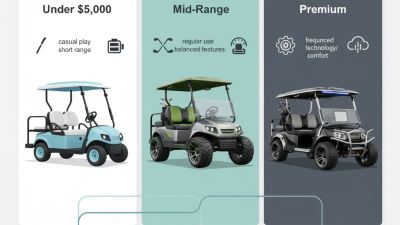
The lithium golf cart market is evolving rapidly as more consumers seek efficient and sustainable options. Recent industry reports indicate that certified CE factories are gaining a foothold. The average pricing for lithium golf carts from these manufacturers typically ranges from $6,000 to $12,000. This pricing can vary, influenced by elements such as battery capacity and cart features.
Interestingly, a cost analysis revealed that while initial investment in lithium technology is higher, long-term savings are significant. Lithium batteries can last up to seven years, compared to traditional lead-acid batteries, which often fail after three years. This longevity results in reduced replacement costs. Additionally, maintenance is practically negligible, offering further savings. Many users have reported that even the Golf Cart Wheel Spindle experiences less wear due to the battery efficiency.
However, the market isn’t without challenges. Some consumers express concern over the higher upfront costs. There’s a sense of hesitation based on perception versus reality. Transitioning from traditional carts to lithium models may require adjustment. Addressing these concerns can drive higher acceptance rates. The industry continues to analyze consumer feedback, striving for improvements. Manufacturers must balance pricing with advancements to gain a competitive edge.
Future Trends in CE Certification for Lithium Golf Cart Industry
The lithium golf cart industry is evolving rapidly. With the growing popularity of electric mobility, CE certification has become increasingly important. Market reports show that the demand for lithium-powered golf carts is projected to grow by 15% annually by 2026. However, as innovation rises, so do the challenges in standardizing safety measures.
Current trends indicate that manufacturers must focus on enhancing battery efficiency and lifecycle. Studies reveal that lithium-ion batteries last significantly longer than conventional options, often exceeding 2,000 cycles. Still, inconsistencies in certification processes can lead to quality variances. As the market expands, the pressure to meet high safety standards is palpable. Some manufacturers struggle to keep up with these emerging requirements.
Additionally, consumers are becoming more aware of environmental impacts and energy consumption. They are favoring products with clear CE certifications. A recent survey indicated that 70% of buyers consider certification a critical factor in their purchasing decisions. Yet, navigating the certification landscape can be complex. There are frequent updates and changes that businesses must adapt to. This creates both an opportunity and a challenge in maintaining compliance. The future of CE certification in this sector will require ongoing diligence and innovation.
Enhancing Your Golf Cart Experience: A Deep Dive into the Club Car DS Passenger Side Spindle Assembly Replacement
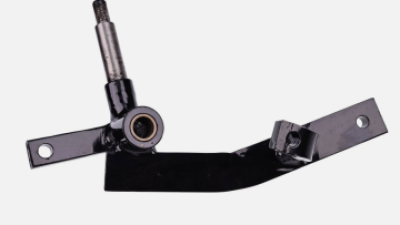
When it comes to enhancing your golf cart experience, understanding the importance of well-maintained parts is crucial, especially for those who own a Club Car DS model from 2004 onward. One significant component that requires attention is the passenger side spindle assembly. This essential part ensures the stability and functionality of the cart, allowing for a smoother ride on the course.
Replacing the spindle assembly can be a straightforward process if you have the right parts and information. The specific spindle assembly, designed for the passenger side, is identified by the part number 102354101. However, potential buyers should note that parts can vary based on the serial number of the golf cart. It is wise to verify compatibility before making a purchase to ensure a perfect fit, avoiding any unnecessary complications during installation.
A proper replacement of the spindle assembly will not only improve handling but also prolong the life of your golf cart. Therefore, investing in the right components is essential for maintaining performance and enhancing your overall golfing experience. By focusing on the passenger side spindle assembly, you can ensure that your Club Car DS remains in top condition, ready to deliver countless enjoyable rounds of golf.
FAQS
: Mindfulness helps reduce stress and improve focus. It encourages living in the moment.
Begin with short sessions, like 5 minutes a day. Focus on your breath and surroundings.
Distractions are common. It's normal for your mind to wander during practice.
Yes, studies suggest it can lower anxiety and depression levels. Results vary for each person.
Daily practice is recommended. Find what fits your schedule, even if it’s brief.
Quiet spaces work well. However, you can practice anywhere, even in busy settings.
Feeling impatient is common. Acknowledge it and gently return your focus to your breath.
Techniques vary widely. Experiment with breathing exercises, body scans, or mindful walking.
It enhances self-awareness. You may respond better to stressors and make clearer decisions.
That's okay. Try shorter sessions or incorporate movement into your practice.
Conclusion
The article titled "2026 Best CE Certification Lithium Golf Cart Factory Reviews" explores the critical significance of CE certification in the production of lithium golf carts. It highlights essential features that consumers should prioritize when selecting manufacturers, ensuring safety and reliability. The piece also reviews top manufacturers that meet CE certification standards and compares the performance of various lithium golf carts, allowing potential buyers to make informed decisions.
Additionally, the article examines customer feedback, providing insights into user experiences with CE certified lithium golf carts. A cost analysis section offers an overview of pricing from certified factories, helping consumers understand the market landscape. Lastly, it discusses future trends in CE certification, emphasizing its evolving role in the lithium golf cart industry, thus ensuring quality and compliance amidst growing demand.

 0086-13925528791
 CONTACT XXCART
 CONTACT XXCART