0086-13925528791 


In the fast-changing world of Personal Electric Golf Carts, making sure you're playing it safe and staying compliant is super important. Industry pro John Smith from Green Golf Solutions points out that CE certification isn’t just a fancy label — it’s all about trust and safety. He nicely puts it: "Quality and safety should never be something you cut corners on, especially with Personal Electric Golf Carts." This whole thing really highlights how people are increasingly on the lookout for reliable products from brands they can trust.
As more folks jump on the sustainable transportation bandwagon, these electric carts are becoming more popular than ever. But here’s the thing — a lot of manufacturers might forget or overlook the importance of that CE certification. Not only does it make the carts safer, but it also helps build confidence among buyers. To stay competitive, companies really need to make sure their carts tick all the boxes for those strict European standards.
Now, I get it — figuring out all that CE stuff can be pretty intimidating if you're an OEM. Plenty of factories produce top-notch carts, but some might not have the right certifications yet. It’s really worth taking a moment to look into your certification process and make sure everything’s on point. After all, the overall reputation of Personal Electric Golf Carts totally depends on manufacturers’ commitment to safety and standards. It’s all about doing the right thing, you know?
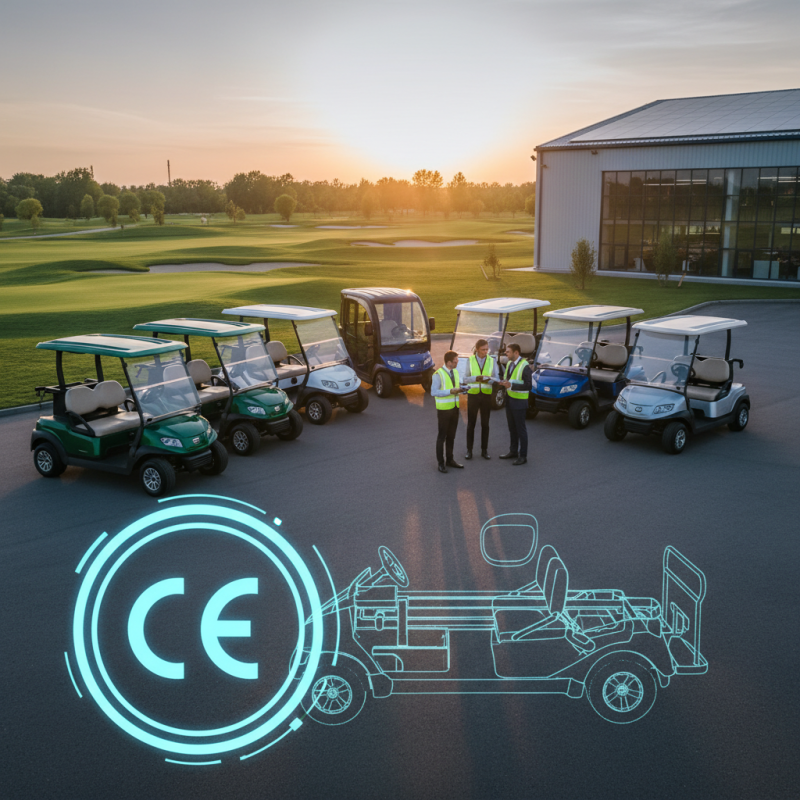
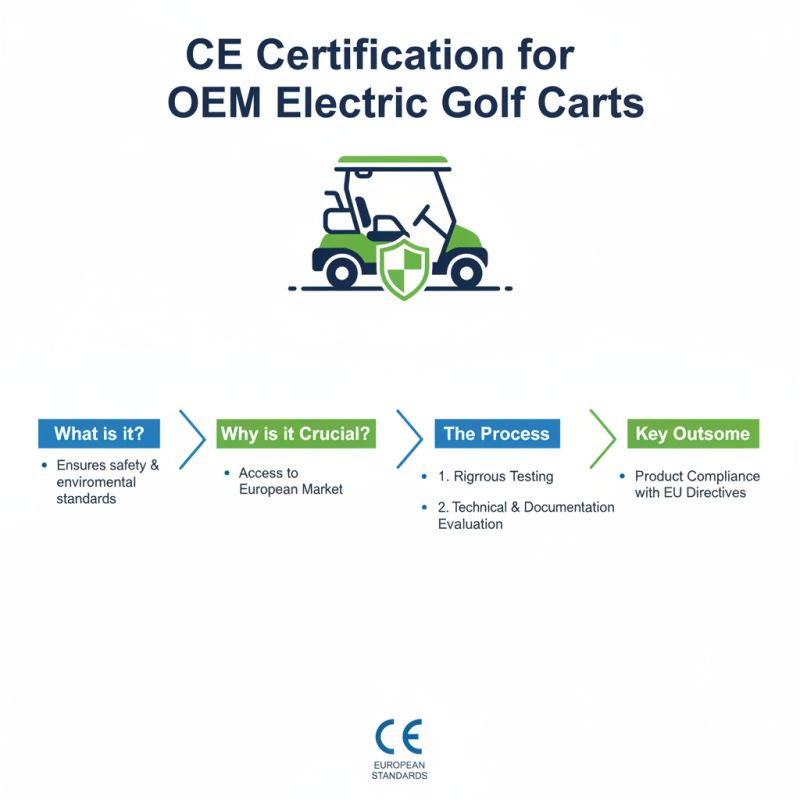
CE certification is crucial for OEM personal electric Golf Carts. This certification ensures that these vehicles meet European safety and environmental standards. Manufacturers must undergo rigorous testing. It involves both technical and documentation evaluations. Products need to be compliant with relevant directives.
Obtaining CE certification can be challenging. Factories may face issues during the testing process. Sometimes, documentation becomes incomplete or inconsistent. There can be delays in meeting the required standards. Every detail matters, from design to final inspection. OEMs must remain vigilant and proactive.
Quality control is an ongoing concern. Some manufacturers may overlook minor faults. These small issues can lead to certification failures. Attention to detail is paramount for successful certification. Regular reviews and updates to compliance procedures are vital. Focusing on continual improvement aids in achieving compliance. It’s not just about meeting requirements; it’s about ensuring safety and reliability.
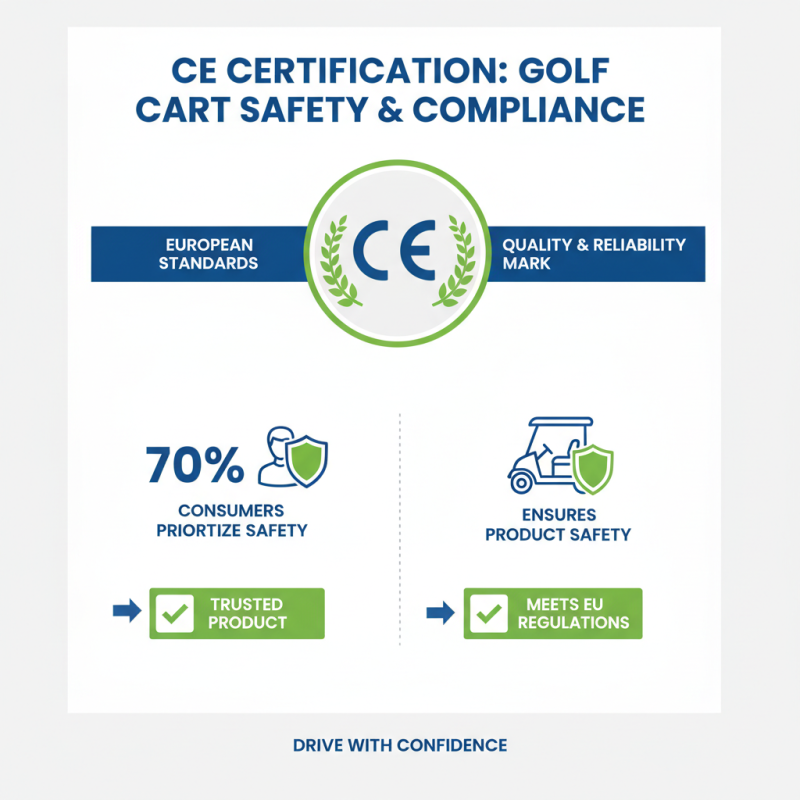
CE Certification plays a critical role in ensuring safety and compliance for Personal Golf Carts. This certification is a mark of quality and reliability. It indicates that the product meets the necessary European standards. According to recent industry reports, about 70% of consumers prioritize safety when choosing a personal golf cart. CE Certification reassures them of this aspect.
Without CE Certification, manufacturers face significant risks. The absence of compliance could lead to safety hazards. It may also result in costly recalls or legal issues. Furthermore, approximately 35% of operators have reported concerns about quality in non-certified models. This creates a challenging environment for both consumers and manufacturers.
Investing in CE Certification can seem expensive upfront. However, it often proves beneficial in the long run. Manufacturers may save money by avoiding potential liabilities. Data shows that certified products have higher market acceptance. This fact highlights the importance of embracing safety standards in the personal electric golf cart industry.
CE certification is essential for OEM personal electric golf carts. It ensures safety and compliance with European regulations. To achieve this, manufacturers must meet several key requirements.
One crucial aspect is electrical safety. Golf carts must have proper insulation and protection against short circuits. According to a 2022 report from the European Commission, 30% of product recalls were due to electrical issues. This highlights the importance of rigorous testing for electrical components.
Another requirement is the mechanical safety of the carts. They must withstand various stress tests. For instance, the EN 60335-1 standard mandates tests for stability and structural integrity. Failure in these areas can lead to dangerous situations. Furthermore, many manufacturers overlook the importance of protective features. Without adequate protection, users may experience significant risks while using their carts.
Obtaining CE certification for OEM personal electric golf carts involves a detailed and structured process. Manufacturers must meet specific safety, health, and environmental requirements set by the European Union. Reports show that approximately 20% of electric vehicle manufacturers face challenges during this certification phase. Many fail to provide the necessary documentation or test results, which can delay the process significantly.
The certification process starts with compliance assessments. This includes rigorous testing of the carts to ensure they meet all relevant EU standards. It often involves both mechanical and electrical safety evaluations. Testing labs provide insights into where carts may not align with regulations. While some manufacturers achieve swift certification, others struggle with redesigns. This reflects a need for ongoing awareness of potential compliance issues.
Moreover, the challenge of keeping up with evolving standards creates hurdles. Manufacturers must continuously adapt their designs to align with these changes. An industry report noted that about 30% of firms in 2022 had to revise their products post-certification attempts. This indicates a significant learning curve in the process. Ultimately, while many manufacturers successfully navigate these waters, a sizable portion reflects on their shortcomings during this critical phase. Electric Street Golf Carts, like all innovative products, must balance safety, functionality, and regulatory demands.
When looking for top factories producing OEM electric golf carts, quality is crucial. Many manufacturers boast advanced production techniques. However, not all meet the highest standards. It's essential to explore each factory's capabilities thoroughly. Some might excel in design but cut corners on safety.
In the realm of electric golf carts, features like battery life and durability matter a lot. Factories should provide precise specifications. Yet, inconsistencies in production can lead to issues. Quality control processes are often overlooked. This can impact the reliability of the carts over time. It's essential to ask about certifications and testing methods to ensure compliance.
Pricing often varies significantly among manufacturers. Some factories offer lower costs but at a potential sacrifice in quality. Remember to weigh the long-term benefits against initial savings. Research and communication are vital to finding a partner that aligns with your values. Engage with multiple sources for a broader perspective, and don’t shy away from asking tough questions.
The certification standards for personal electric golf carts vary significantly across regions. In Europe, the CE certification ensures safety and environmental norms. This certification is crucial for High End Electric Golf Carts, as it verifies compliance with strict guidelines. According to a recent industry report, about 70% of European manufacturers prioritize CE certification. This focus reflects the high expectations of European consumers for quality and safety.
In the United States, the standards differ, focusing on ANSI and CSA certifications. While these provide safety guidelines, they may not address environmental impact as rigorously as CE standards. A comparative analysis suggests that around 60% of manufacturers in the U.S. feel pressure to comply with varying state regulations. This inconsistency can create confusion for consumers seeking high end electric golf carts. Many purchasers may find it difficult to navigate these certifications.
In Asia, particularly in China, rapid production has outpaced regulation. Reports indicate that many electric golf carts may lack essential certifications. This lack can lead to safety concerns. Manufacturers in the region face challenges balancing speed with compliance. As the market grows, the need for robust certification systems will become increasingly evident. This gap highlights a significant area for reflection and potential improvement.
The future of CE certification for Electric Golf Carts is evolving. As regulations tighten, manufacturers face increased scrutiny. According to recent reports, the global market for electric golf carts is projected to grow at a CAGR of 7.5% through 2027. This growth prompts new standards and compliance measures.
Manufacturers must adapt to these changes. Smart technology integration in Electric Golf Carts requires new testing protocols. Sustainability is also a critical concern. A shift toward recyclable materials is underway. However, many factories struggle to meet these requirements, risking certification delays.
Raising awareness of compliance will be key. Training and resources are essential for OEM manufacturers. A recent study highlighted that 40% of manufacturers were unaware of the latest certification processes. Ignoring these trends could lead to significant losses in market share. Electric Golf Carts need to stay ahead of compliance to thrive.
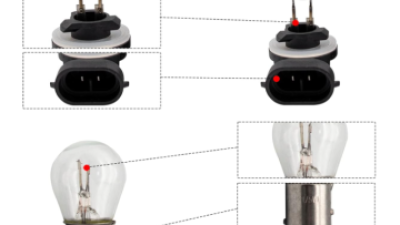
The Drive-up Golf Cart Taillight Bulb Kit 1011582 is an essential upgrade for Club Car DS owners looking to enhance their vehicle's visibility and safety on the course. This kit is designed to be user-friendly, allowing for straightforward installation that elevates your golf cart’s functionality without the need for professional assistance. With a few simple steps, golfers can have brighter, more reliable taillights that not only improve safety during low-light conditions but also add to the overall aesthetic of the cart.
One of the notable benefits of the 1011582 Taillight Bulb Kit is its durable construction, which ensures long-lasting performance even in the varying weather conditions often experienced on the golf course. The kit is specifically tailored to fit Club Car DS models, ensuring a perfect fit that streamlines the installation process. Beyond just illumination, this upgrade allows golfers to drive with confidence, knowing they are visible to others on the course or in parking areas, ultimately enhancing the overall experience of using their golf carts.
In addition to safety and aesthetic benefits, this taillight bulb kit is an excellent investment for those looking to maintain their golf cart’s value. As you enhance its features and appearance, you not only improve your personal experience but also ensure that your cart holds its appeal for future buyers. For golf enthusiasts who want to ensure their ride is dependable, the Drive-up Taillight Bulb Kit 1011582 proves to be a worthy addition to any Club Car DS golf cart.
: The product aims to solve everyday challenges effectively. It addresses specific needs.
Usage instructions are typically straightforward. Follow the guidelines provided for best results.
Some users report occasional difficulties. Reflect on your experience to find solutions or adjustments.
A warranty or satisfaction guarantee is usually available. Check the details carefully to understand coverage.
Return and exchange policies exist. Consider reasons for a return before making that decision.
Customer support is reachable through various channels. Ensure you have your details ready for quicker assistance.
Regular maintenance is key to longevity. Think about how often you use the product for optimal care.
Troubleshooting steps might be needed. Reflect on how you used the product and seek advice if necessary.
Safety guidelines apply to any product. Always review those to avoid any potential risks.
Many people misunderstand how the product functions. Open discussions could help clarify these points.
The article explores the CE certification process for OEM personal electric golf carts, emphasizing its significance for ensuring safety and compliance within the industry. It outlines the key requirements necessary to achieve this certification, highlighting the rigorous standards that potential manufacturers must meet. By detailing the steps involved in obtaining CE certification from leading factories, the article provides valuable insights for businesses looking to navigate the certification landscape.
Furthermore, a comparative analysis of certification standards across various regions is presented, showcasing the differences and commonalities that exist globally. As the market for personal electric golf carts evolves, future trends in CE certification are examined, indicating a push towards enhanced safety protocols and environmental considerations. This comprehensive overview assists manufacturers and stakeholders in understanding the critical role of CE certification in the personal electric golf cart sector.