 0086-13925528791
Leave Your Message
-
CONTACT XXCART
-
 CONTACT XXCART
-
 CONTACT XXCART
Ensure the safety, smooth handling, and reliability of your guest shuttles with our high-grade replacement components.
The global wine tourism industry—often referred to as oenotourism—has experienced a major paradigm shift. Modern travelers are no longer content with visiting simple indoor tasting rooms; they demand immersive, experiential journeys that take them deep into the agricultural heart of the estate. From the rolling hills of Napa Valley and Tuscany to emerging boutique vineyards in South America and the Asia-Pacific, wineries are transforming into comprehensive hospitality destinations. This expansion presents a unique logistics challenge: how to transport small groups of guests, VIP clients, and event attendees across vast, uneven, and often hilly terrain safely, quietly, and sustainably.
Enter the six seater golf cart. Once relegated to golf courses, these extended-chassis utility vehicles have become the backbone of estate hospitality. Industrially, the demand for multi-passenger electric vehicles (PEVs) in agricultural tourism has grown exponentially. Wineries require vehicles that offer a delicate balance of robust torque to climb gravel paths, silent drivetrains that do not disrupt the peaceful vineyard ambiance, and high passenger capacity to optimize tour group sizes. The six-seater configuration has emerged as the industry sweet spot, allowing one tour guide or sommelier to drive while comfortably hosting five guests—ideal for families, wedding parties, or corporate groups.
Operating a winery involves managing complex micro-environments. You have delicate grapevines, narrow rows of soil, loose gravel pathways, and steep, terraced slopes. Standard transport vehicles like cars or vans are too wide, heavy, and destructive to the turf, not to mention their high carbon footprint. Smaller 2-seater or 4-seater golf carts, on the other hand, require multiple drivers to transport a standard tour group, doubling labor costs and fragmenting the group experience. The 6-seater utility cart maximizes operational efficiency, offering the following advantages:
To understand the true value of a six seater golf cart for vineyard and winery tours, we must look beyond basic transport and examine the specific, high-stakes operational scenarios where these vehicles excel.
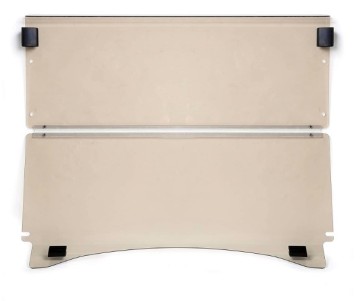
For premium wineries, the high-end tasting experience begins long before the wine is poured. Guests are driven through the vineyards to learn about soil composition, microclimates, and vine pruning techniques. A six-seater cart allows the sommelier to sit facing the guests (in rear-facing seat configurations) or converse easily with the entire group. Because the electric motor runs silently, the guide can explain the winemaking process without competing with engine noise. The addition of customized accessories—such as acrylic windshields to block wind and dust, and custom cup holders for tasting glasses—elevates this from a simple ride to a luxury tour.
Wineries are among the most popular venues for destination weddings and corporate retreats. Navigating bride parties, elderly guests, and catering staff across sprawling lawns and rustic paths requires reliable, high-capacity transport. A fleet of 6-seater carts ensures that guests are moved seamlessly from the ceremony site to the reception pavilion. The vehicles can be outfitted with elegant accessories, keeping the fleet looking pristine for wedding photography while providing essential utility.
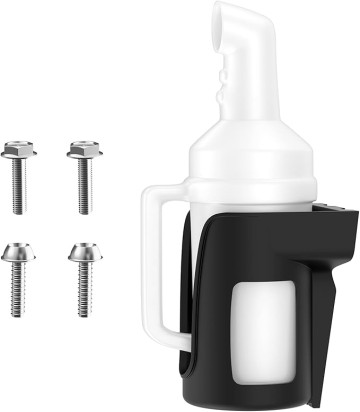
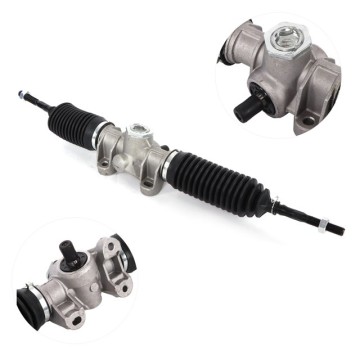
When tours are not running, these vehicles double as utility workhorses. Estate managers use them to supervise field hands, transport tools, or carry soil samples. The versatility of these carts relies heavily on their internal components. For instance, having a dedicated divot filler sand bottle on board allows staff to repair minor turf damage immediately, maintaining the pristine appearance of the estate lawns. Heavy-duty shocks and robust steering gear boxes ensure the vehicle can transition from carrying high-end guests to hauling maintenance equipment without breaking down.
 One-stop service
High quality products
Advanced production equipment
OEM&ODM services
The engineering behind utility golf carts is evolving rapidly, driven by advancements in battery technology, smart connectivity, and safety standards. Wineries looking to invest in a fleet of six-seater carts must consider these critical trends:
Traditional lead-acid batteries are quickly being replaced by Lithium-ion (Li-ion) systems. In a vineyard setting, where carts must tackle steep inclines and operate for 8 to 10 hours a day on a single charge, Li-ion batteries offer distinct advantages: they are significantly lighter, charge faster, require zero maintenance, and maintain consistent power output even when the charge level is low. This ensures that the cart does not lose climbing power when transporting a full load of six adults up a terraced hill.
Modern winery fleets are increasingly integrated with IoT (Internet of Things) technology. Fleet managers can track the real-time location of every six-seater cart, monitor battery health, and set geofencing limits to prevent drivers from steering into restricted or dangerous areas of the vineyard. Some high-end estates also install integrated GPS tablet screens that automatically play historical audio guides or drone footage of the vineyard as the cart enters specific GPS coordinates.
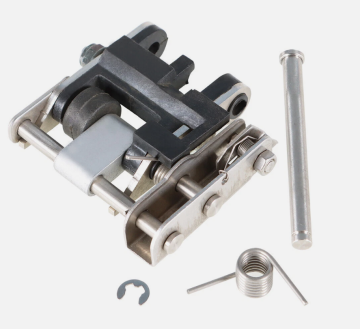
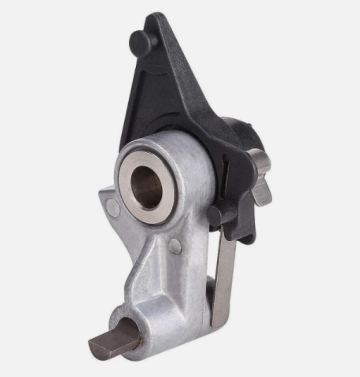
Safety is paramount when transporting paying guests. Standard mechanical brakes are often insufficient for heavy six-seater carts operating on wet grass or loose gravel. The industry is moving toward electromagnetic braking systems and heavy-duty mechanical brake cables that provide automatic parking brakes and regenerative braking—recharging the battery slightly while descending hills safely. Upgrading components like brake pawl locks and accelerator pedals with conversion kits ensures that the vehicle remains controllable under all conditions.
 “We not only provide our customers good before-sale service but also good after-sale service.”
 “Even we can arrange engineer to solve the problems for customers.”
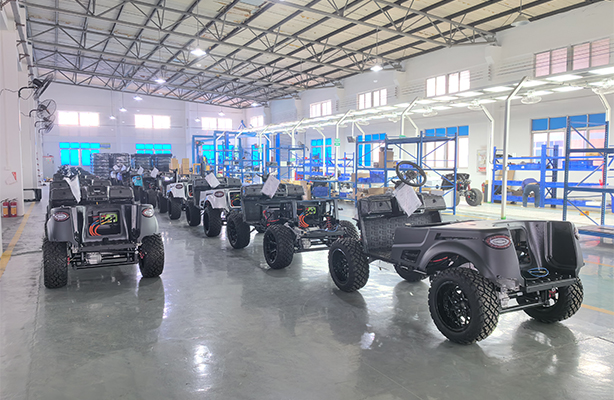
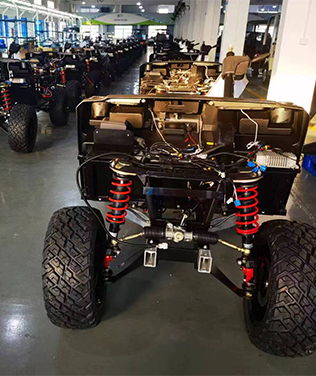
A fleet of six-seater golf carts represents a major capital investment for any winery. To ensure these workhorses deliver a high return on investment, a proactive maintenance schedule is non-negotiable. The rough, dusty, and outdoor nature of vineyard environments accelerates the wear and tear of critical mechanical systems.
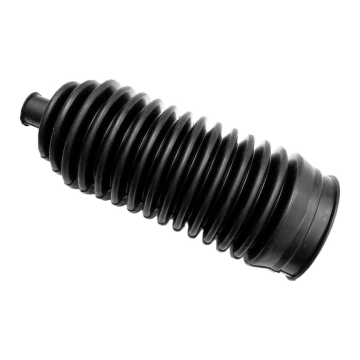
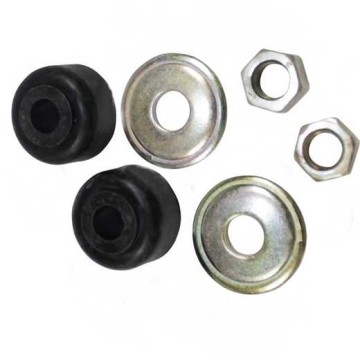
Navigating uneven dirt paths puts immense stress on a cart's steering and suspension. Over time, dust, mud, and water can penetrate steering gear boxes and wear down the steering bellows. Regular inspection of dust seals and replacement of worn steering gear boxes are essential to prevent steering play, which can pose a significant safety hazard on narrow hillside tracks. Upgrading to heavy-duty shock absorber cushions is also recommended to maintain a smooth, premium ride quality for guests.
Stop-and-go driving on steep slopes requires responsive brakes. Fleet managers must regularly inspect brake cables, brake pawl locks, and pedal assemblies. A failing brake release mechanism can lead to vehicle rollbacks on hills, threatening passenger safety. Replacing worn components with high-quality aftermarket or OEM-standard parts ensures that the vehicles operate predictably in all weather conditions.
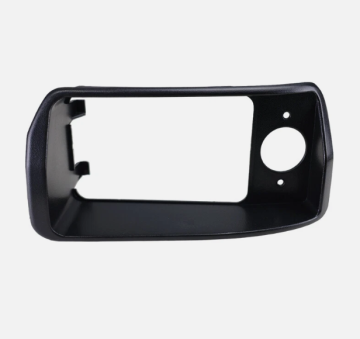
Your golf carts are an extension of your winery's brand. Scratched, cloudy windshields or broken headlight bezels project a poor image. Tinted acrylic windshields protect guests from wind, UV rays, and dust while driving through the vine rows. For evening tours or night events, high-visibility headlights with durable bezels are crucial for safety and styling. Keeping a stock of replacement parts ensures minimal downtime, keeping your fleet active and looking its best throughout the busy harvest and tourism seasons.
Explore our comprehensive catalog of high-durability steering, braking, electrical, and body accessories designed for heavy-duty tour carts.