 0086-13925528791
Leave Your Message
-
CONTACT XXCART
-
 CONTACT XXCART
-
 CONTACT XXCART
Purpose-built electrical components to keep your stadium and sports venue fleet operating at peak performance, shift after shift.
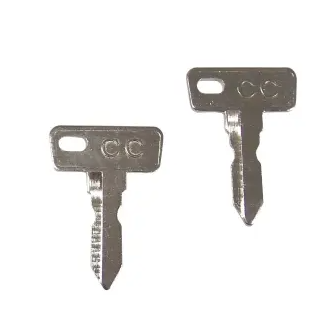
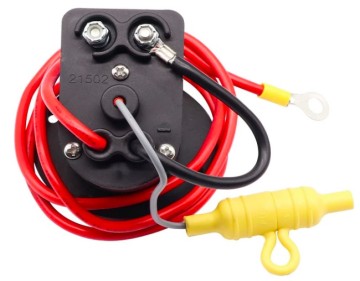
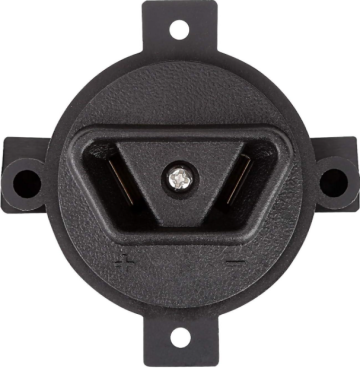
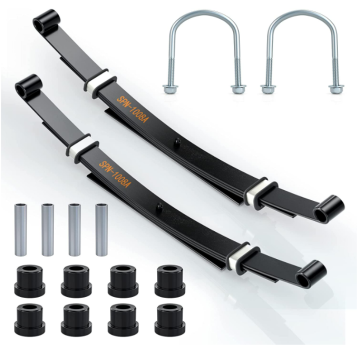
A golf cart solenoid is an electromechanical relay that serves as the primary switching device between the battery pack and the motor controller. In high-traffic stadium and sports venue environments, a reliable solenoid is not optional — it is mission-critical.
The solenoid acts as a high-amperage switch — when the ignition key is engaged, it closes an internal contact, allowing battery current to flow to the motor controller. A faulty solenoid means a stationary cart during your busiest game day.
Stadium fleets typically operate on 36V or 48V systems. Our solenoids are precision-engineered to handle sustained high-amperage loads — up to 300A continuous — critical when carts are loaded with equipment or personnel across large venue footprints.
Modern stadium-spec solenoids incorporate coil-protection diodes, weather-sealed housings (IP65+), and vibration-dampening mounts — ensuring zero unintended motor engagement even under the most demanding operational cycles.
The global sports infrastructure market is valued at over $600 billion, and electric utility vehicle fleets — including golf carts — form the logistical backbone of nearly every major stadium and multi-purpose arena built in the last decade.
Major venues such as NFL stadiums, Formula 1 circuits, Olympic parks, and multi-sport complexes now deploy between 50 and 500+ electric golf carts per facility. Each cart depends on a functioning solenoid for every start cycle. With carts averaging 30–80 ignition cycles per event day, the solenoid becomes the highest-wear electrical component in the entire powertrain — creating a robust, recurring aftermarket replacement and upgrade market estimated to grow at 7.2% CAGR through 2030.
From pre-game logistics to post-event breakdown, solenoid-powered golf carts are deployed across every functional zone of a modern sports facility.
Game-day operations require constant movement of staff, medical personnel, security teams, and equipment between locker rooms, sidelines, tunnels, and media zones. A solenoid failure during a live event can halt critical operations. High-cycle-rated solenoids rated for 50,000+ switching cycles are standard specification.
During major tournaments (PGA, LPGA, Ryder Cup), hundreds of carts transport officials, media, VIPs, and scoring teams across 200+ acres. Solenoids must perform reliably across hilly terrain, extreme heat, and near-continuous duty cycles throughout multi-day events.
Olympic parks and Grand Slam venues rely on electric cart fleets for athlete transport between courts, accreditation logistics, and broadcast equipment movement. Silent, zero-emission solenoid-controlled carts are essential for maintaining the quiet environment during live broadcast windows.
Formula 1, IndyCar, and NASCAR circuits deploy specialized golf carts for pit lane access, medical response, and infrastructure maintenance. These environments demand solenoids with enhanced EMI shielding and flame-retardant housings due to proximity to fuel systems and electrical interference.
Elite soccer facilities (Premier League, MLS, La Liga) use golf cart fleets for turf management equipment towing, grounds crew transport, and VIP hospitality. Compact, high-torque solenoid assemblies allow carts to handle heavy tow loads across wet, uneven ground conditions.
NBA, NHL, and large concert arenas use electric golf carts extensively in underground concourses and loading docks. Indoor operations demand zero-emission, ultra-low-noise solenoid-controlled propulsion systems to meet strict indoor air quality and noise regulations.
The convergence of smart stadium technology, electrification mandates, and sustainability goals is reshaping the specifications demanded of golf cart solenoids in professional sports environments.
As stadium fleets adopt heavier payload configurations and longer operational ranges, voltage architectures are shifting from 36V/48V toward 72V systems. Next-generation solenoids must handle higher coil activation voltages and contact ratings without increasing physical size — driving demand for advanced copper-alloy contact materials and rare-earth permanent-magnet designs.
Leading stadium operators are integrating golf cart fleets into centralized IoT fleet management systems. Smart solenoids embedded with current-sensing and thermal-monitoring microchips can transmit real-time health data — predicting failure 200–500 cycles before critical breakdown, eliminating unexpected downtime during events.
LEED Platinum, BREEAM, and FIFA Green Stadium certifications increasingly evaluate fleet electrification as a scoring criterion. Venues replacing gas-powered utility vehicles with electric golf carts equipped with energy-efficient solenoid systems earn compliance points, access green financing, and meet carbon-neutral event pledges made by major sporting bodies including the IOC and FIFA.
Autonomous golf carts are being piloted at venues including Singapore Sports Hub and several PGA Tour facilities for perimeter security and materials transport. These systems require fail-safe dual-solenoid configurations with software-controlled redundancy — representing a significant new product category with premium pricing and engineered service contracts.
Venue fleet managers are moving away from generic aftermarket components toward OEM-specification or OEM-equivalent parts with documented traceability. Suppliers offering CE-certified, ISO-compliant solenoid assemblies with serialized quality records gain preferred vendor status with major stadium operators and franchise group procurement teams.
As venues install DC fast-charging infrastructure to reduce cart downtime between events, solenoid assemblies must be engineered for compatibility with high-rate charge controllers. This requires enhanced back-EMF suppression and contact materials rated for frequent high-current transient events — a new design frontier for solenoid manufacturers targeting premium venue segments.
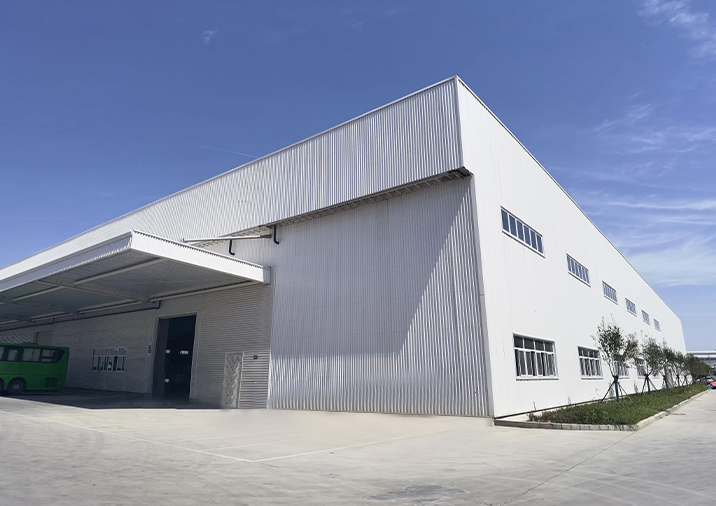
At XXCART, we understand that every stadium, arena, and sports complex has unique operational requirements. Our engineering team works directly with facility managers, fleet operators, and procurement teams to design and manufacture golf cart solenoid assemblies and complete electrical systems tailored to your specific voltage architecture, duty cycle demands, and environmental conditions.
Cover parts are made out of special PP automobile engineering material, featured with fashion, beauty and great durability. Our carts are equipped with unique individual operation systems, agile and smooth steering systems, and independent suspension systems — all optimized for the multi-surface demands of modern sports venues.
Send an InquiryXXCART is a large and powerful CE-certified manufacturer of electric golf carts. We integrate the design advantages of EZ-GO, CLUB CAR, and YAMAHA while adopting advanced technologies to develop proprietary cart series aligned with international electric vehicle technical standards.
XXCART adheres to the quality bearing responsibility and is committed to providing users with high-quality, safe, and environment-friendly high-performance products — with dimensional tolerances meeting OEM specifications for all major golf cart platforms.
We adhere to technology to create advantages, and strive to promote industrial progress, support enterprise development and realize product upgrading through continuous innovation — producing components engineered for the extreme duty cycles of professional sports venues.
We adhere to service highlighting value, and strive to meet customers' growing expectations with continuously improved services — offering full customization from coil voltage and contact rating to housing configuration and connector type.
Following the basic concept of "Quality first, Customer first" — our 21+ years of manufacturing experience ensures every solenoid assembly leaving our factory meets or exceeds the performance demands of professional sports venue fleet operations.
Our golf cart solenoid assemblies are designed to withstand the operational intensity of game-day schedules — from pre-dawn groundskeeping shifts through post-event breakdown operations spanning 18–22 hours of continuous fleet activity.
Every component is manufactured in our 50,000㎡ facility using precision CNC machining, automated coil winding, and full electrical load testing before shipment — ensuring zero infant mortality failures in critical venue applications.
Explore our full catalog of OEM-quality golf cart components — engineered for stadium, arena, and sports venue fleet maintenance and upgrade programs.