 0086-13925528791
Leave Your Message
-
CONTACT XXCART
-
 CONTACT XXCART
-
 CONTACT XXCART
Top-selected components engineered for large-scale industrial and commercial golf cart fleets — precision-fit, long-lasting, and cost-effective.
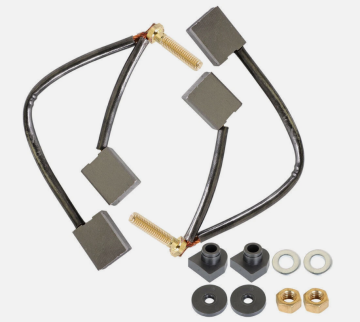
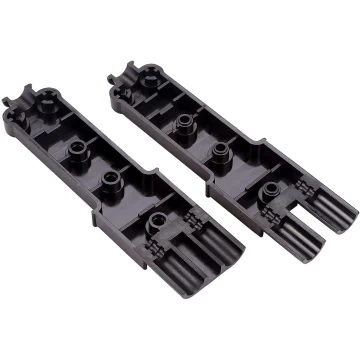
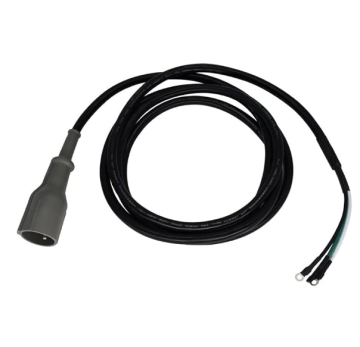
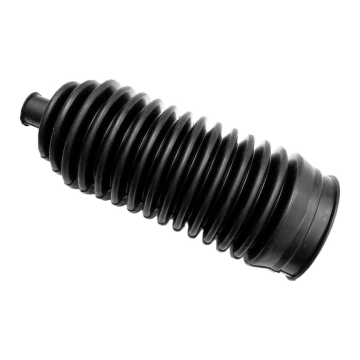
Large factory complexes worldwide are rapidly adopting purpose-built golf cart seating systems as a core component of internal logistics and workforce mobility strategies.
Automotive, electronics, aerospace, and pharmaceutical mega-factories with floor areas exceeding 500,000 sq ft now routinely deploy fleets of 50–500+ golf carts, making seat durability and ergonomics a mission-critical procurement decision.
The global industrial golf cart market is projected to surpass USD 2.8 billion by 2028, with factory-grade seating accessories representing one of the fastest-growing sub-segments at a CAGR exceeding 7.5% annually.
Over 78% of new factory golf cart deployments in 2024 chose electric models, driving demand for compatible seating systems with integrated wiring channels, USB charging ports, and smart sensor compatibility.
Standard recreational golf cart seats simply cannot withstand the rigors of continuous 3-shift industrial operations. Factory environments expose seating to chemical splashes, extreme temperature cycles, heavy-duty daily use by multiple operators, and strict OSHA ergonomic requirements. Specialized industrial golf cart seats feature reinforced foam density (≥45 kg/m³), UV-stabilized and chemical-resistant vinyl upholstery, anti-fatigue lumbar support, and quick-release mounting systems — all designed to minimize downtime and maximize worker comfort and productivity across sprawling factory campuses.
Golf cart seating solutions serve diverse and demanding roles across the full spectrum of modern industrial environments.
In automotive plants covering millions of square feet — such as those operated by Toyota, Ford, and BMW — golf carts with ergonomic seats transport supervisors, quality inspectors, and tooling between assembly lines. Seats must endure oil-contaminated environments and support workers for 8–12 hour shifts without fatigue. Anti-slip surfaces and high-density foam are non-negotiable specifications.
Amazon, Alibaba, and DHL fulfillment centers deploy hundreds of electric golf carts for inter-zone transport. Seating systems in these environments face constant ingress/egress cycles — sometimes 200+ per shift — demanding reinforced hinge mechanisms, easy-clean surfaces, and OSHA-compliant weight ratings to accommodate diverse operator profiles safely.
Aerospace factories (Boeing, Airbus, Lockheed Martin) require golf cart seats that produce zero static discharge and contain no ferromagnetic materials that could interfere with sensitive avionics testing. ESD-safe upholstery materials and non-magnetic frame attachments are critical specifications increasingly requested by aerospace procurement teams.
GMP-certified pharmaceutical plants and food processing facilities require golf cart seats manufactured from FDA-compliant, non-porous materials that can withstand daily sanitization with harsh disinfectants including bleach solutions and quaternary ammonium compounds. Seamless upholstery designs eliminate bacterial harborage points, meeting ISO Class 7 cleanroom adjacency standards.
Nuclear, solar, and wind energy facilities spanning thousands of acres require ATEX-rated or EX-zone-compliant golf cart seating. Flame-retardant upholstery materials (meeting FMVSS 302 standards), anti-static properties, and high-visibility color options ensure both worker safety and regulatory compliance in potentially hazardous energy production environments.
Major infrastructure projects — port expansions, airport construction, industrial park development — deploy golf carts across muddy, uneven terrain. Seats for these environments require weather-sealed upholstery, UV-resistant materials rated for 10+ years of outdoor exposure, and reinforced mounting systems capable of handling vibration from rough terrain without loosening.
The industrial golf cart seat sector is evolving rapidly, driven by smart manufacturing, sustainability mandates, and workforce wellbeing initiatives.
Next-generation factory golf cart seats are being integrated with IoT sensors to monitor operator weight, detect unauthorized users, track seat occupancy patterns, and even monitor driver fatigue through pressure distribution analysis — feeding data directly into factory MES systems.
Leading manufacturers are transitioning to recycled PET foam cores, bio-based vinyl alternatives, and water-based adhesives to meet corporate ESG targets and comply with evolving EU and US environmental regulations governing industrial equipment.
Factory operators increasingly demand quick-swap seat modules that allow rapid reconfiguration between single-operator, dual-operator, and cargo-platform configurations without tools — reducing changeover time and maximizing fleet utilization across different production zones.
As factories compete for skilled workers, ergonomic investment in golf cart seating is becoming a talent retention strategy. Adjustable lumbar support, memory foam options, and vibration-dampening suspension seat bases are now standard specifications in premium industrial fleet procurement RFPs.
With autonomous golf carts entering factory trials at companies like Hyundai and CATL, seat designs are evolving to accommodate forward-facing, rear-facing, and side-facing orientations, along with integrated seatbelt systems and crash-energy-absorbing foam grades required for driverless operation certification.
Seat wear sensors and RFID-tagged components now enable factory maintenance teams to predict upholstery replacement needs before failures occur, integrating golf cart seat lifecycle data into broader Industry 4.0 predictive maintenance platforms — reducing unplanned downtime and total cost of ownership.
Standing on the mountain peak, we can see the farther world.
Due to unique style, excellent quality, and perfect service, we have been approved by clients and markets to the maximum extent. Our golf cart seat solutions for large factory complexes have earned trust across USA, Italy, Canada, Belgium, Bulgaria, Ireland, Austria, Norway, Sweden, Denmark, Finland, France, Spain, Brazil, Mauritius, Maldives, Thailand, Philippines and more. We maintain strong cooperative partnerships with customers in these countries, co-developing new products and sharing brand values. We meet various demands of different customers by adopting varied configurations of color and style for factory environments.
We not only provide our customers good before-sale service but also comprehensive after-sale support. Our engineers can be dispatched to solve problems directly at your facility. Following the core concept of "Quality first, Customer first" — we deliver industrial seating solutions that outlast the competition.
We design and develop numerous parts, and control the tooling and manufacturing operations for most of our items. You can be assured of consistently high-quality golf cart seats and components at a reasonable price. Our major OEM parts cover Club Car, E-Z-GO, and Yamaha platforms. At XXCART, we are proud to offer functional parts which equal or exceed OEM replacement parts and accessories at a competitive price — making us the preferred supplier for large factory complex fleet operators worldwide.
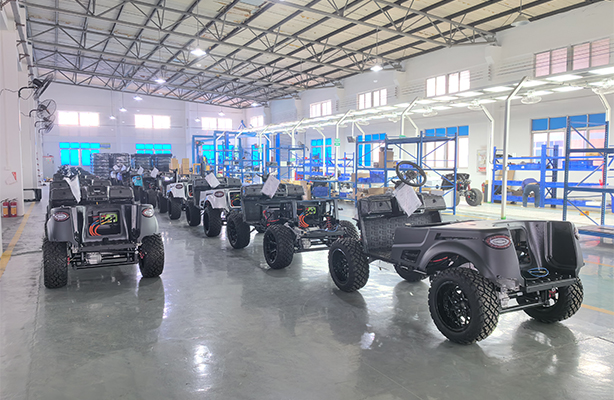
Our manufacturing capabilities allow us to produce custom golf cart seat configurations tailored specifically to the unique demands of large factory environments — from chemical-resistant upholstery for industrial plants to ergonomic multi-passenger configurations for logistics hubs.
 "We not only provide our customers good before-sale service but also good after-sale service."
 "Even we can arrange engineer to solve the problems for customers."
 One-stop service High quality products Advanced production equipment OEM & ODM services
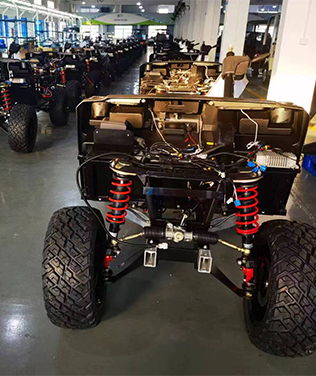
Complete your factory golf cart fleet maintenance with our full range of precision-engineered replacement parts and accessories.