 0086-13925528791
Leave Your Message
-
CONTACT XXCART
-
 CONTACT XXCART
-
 CONTACT XXCART
Vineyard Tour Components
High-performance replacement parts engineered for the rigors of vineyard terrain — keeping your tour fleet running smoothly across every row and ridge.
Industry Overview
The wine tourism industry has experienced remarkable growth over the past decade, with millions of visitors each year exploring the world's most celebrated vineyards and wineries. From the rolling hills of Napa Valley to the sun-drenched estates of Bordeaux and the terraced vineyards of Tuscany, the guest experience increasingly depends on reliable, comfortable, and eco-conscious transportation — and golf cart engines sit at the very heart of that experience.
Golf carts have become the vehicle of choice for vineyard and winery tour operators for a multitude of practical reasons. Their compact footprint allows seamless navigation through narrow vine rows without disturbing the delicate root systems below. Their low-speed operation ensures passenger safety on uneven terrain, while their quiet electric engines preserve the serene ambiance that wine country guests pay a premium to enjoy. As the agri-tourism sector matures, the demand for more powerful, longer-lasting, and technologically sophisticated golf cart engines has never been stronger.
Today's vineyard operators are no longer satisfied with basic utility carts. They seek customized, branded vehicles with engines capable of handling steep gradients, extended tour routes covering multiple hectares, and carrying capacity for groups of six to eight guests alongside a knowledgeable guide. This evolution is driving significant innovation in golf cart engine design, battery technology, and drivetrain engineering specifically tailored to the agricultural tourism market.
With over 78% of new vineyard tour fleets globally now opting for electric-powered golf carts, the shift from gasoline to electric engines represents the single most significant transformation in winery mobility. Zero emissions, near-silent operation, and dramatically reduced maintenance costs make electric golf cart engines the undisputed choice for forward-thinking wine estate operators committed to both guest satisfaction and environmental stewardship.
Commercial & Industrial Landscape
The commercial deployment of golf cart engines across vineyards and wineries reflects broader trends in sustainable tourism and precision agriculture.
The global wine tourism market exceeded $6.4 billion in 2023 and is projected to grow at 7.2% CAGR through 2030. Golf cart fleets at wineries have grown proportionally, with leading estates operating 20–80 vehicles. Engine manufacturers are responding with dedicated vineyard-grade product lines featuring reinforced suspensions, extended battery range, and terrain-adaptive torque management.
The transition from traditional lead-acid to lithium-ion powered golf cart engines has accelerated dramatically. Lithium systems offer 2–3x the cycle life, 30% weight reduction, and consistent power delivery across the full charge curve — critical when navigating steep vineyard gradients. Industry leaders including Club Car, EZGO, and Yamaha now offer lithium-native platforms engineered for agricultural terrain demands.
North American wineries lead in golf cart fleet electrification, with California's Napa and Sonoma regions setting industry benchmarks. European estates — particularly in France, Italy, and Spain — are rapidly adopting electric golf cart engines driven by strict EU emissions regulations. Emerging wine regions in Australia, New Zealand, South Africa, and Chile are investing heavily in purpose-built vineyard cart fleets as tourism infrastructure matures.
By the Numbers
Future Outlook
Technological innovation is reshaping what vineyard tour operators can expect from their golf cart engine systems over the next five years.
Smart telematics systems integrated into golf cart engines now enable real-time monitoring of battery state, motor temperature, and terrain load. AI algorithms optimize power delivery based on route elevation data, automatically adjusting torque output to maximize range across multi-hectare vineyard properties. Predictive maintenance alerts reduce unplanned downtime by up to 45%.
Leading vineyards are pairing their electric golf cart engine fleets with on-site solar charging infrastructure. Rooftop solar arrays on estate buildings and dedicated carport charging stations mean tour fleets can operate on 100% renewable energy — a powerful marketing differentiator for eco-conscious wine tourists and a genuine operational cost reducer.
Next-generation golf cart engines feature modular drivetrain designs allowing quick motor swaps, battery module replacement, and controller upgrades without full vehicle replacement. This significantly extends fleet lifecycle and reduces total cost of ownership — a key consideration for winery operators managing 20–50 vehicle fleets with multi-year depreciation schedules.
Advanced motor controllers now allow vineyard operators to program custom torque curves matched to their specific terrain profiles. Steep hillside vineyards in regions like Priorat, Mosel, or Barossa Valley require very different power delivery characteristics than flat valley floor estates — and modern golf cart engine systems deliver precisely that level of customization.
Golf cart engines are increasingly integrated with digital experience platforms. GPS-triggered audio commentary, QR-code enabled wine pairing information displayed on in-cart screens, and route optimization apps are all being powered by the cart's electrical system — transforming the engine from mere transportation to an active component of the guest experience architecture.
Major manufacturers are launching certified refurbishment programs for vineyard golf cart engines, extending motor and battery pack life through factory-grade reconditioning. These programs reduce waste, lower acquisition costs for smaller boutique wineries, and align with the sustainability values that increasingly define premium wine brand identity in the eyes of global consumers.
Deep-Dive Applications
Beyond standard guest tours, golf cart engines are enabling a new generation of specialized vineyard applications that blend hospitality with precision agriculture.
Company Profile
XXCART is a large and powerful manufacturer of electric golf carts that has obtained CE certification. We specialize in high-end customized golf carts, integrating the engineering advantages of EZ-GO, Club Car, and Yamaha into a unified platform engineered for demanding real-world applications including vineyard and winery tour operations.
Adopting advanced technology, XXCART has researched and developed its own vehicle series designed in accordance with technical standards of imported electric cars. Our vineyard-optimized golf cart engines deliver the torque, range, and reliability that professional wine estate operators demand — backed by 21+ years of manufacturing expertise and deployment across 100+ countries and regions.
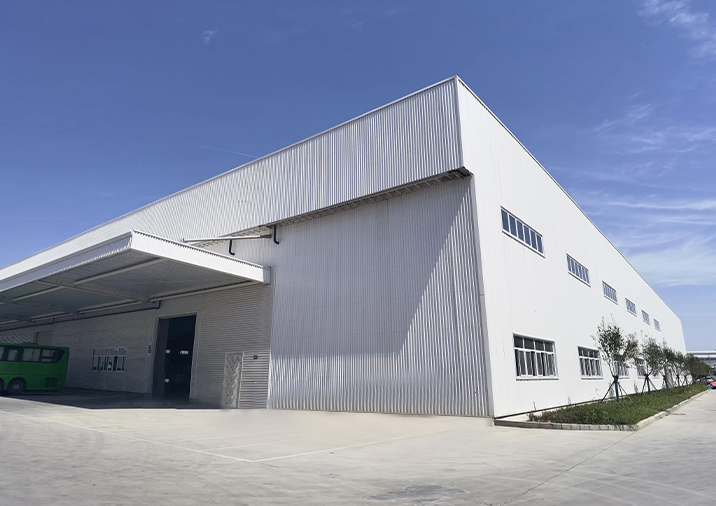
With a 50,000㎡ manufacturing facility and a commitment to the principle of "Quality first, Customer first," XXCART is the trusted partner for vineyards and wineries building world-class guest transportation fleets.
Cover parts are made out of special PP automobile engineering material, featured with fashion, beauty, and great durability. Our vineyard tour golf carts are equipped with unique and individual operation systems, agile and smooth steering systems, and independent suspension systems — purpose-engineered for the varied terrain of wine estates.
Whether you require a fleet of 5 or 500 vehicles, XXCART's OEM/ODM program delivers fully customized golf cart engine configurations, branded body designs, custom seating arrangements, and integrated technology packages tailored precisely to your vineyard's operational requirements and guest experience vision. From initial design consultation through production, quality certification, and global logistics, we manage the complete project lifecycle.
Send an Inquiry for Your Vineyard FleetWhy Choose XXCART
XXCART adheres to quality bearing responsibility and is committed to providing users with high-quality, safe, and environmentally friendly high-performance golf cart engine products. Every component meets rigorous tolerance standards for reliable vineyard operation.
We adhere to technology to create advantages, and strive to promote industrial progress, support enterprise development, and realize product upgrading through innovation. Our vineyard golf cart engines are built to withstand seasons of demanding agricultural terrain use.
We adhere to service highlighting value, and strive to meet customers' growing expectations with continuously improved services. Every vineyard tour fleet configuration is unique — XXCART delivers the customization depth to match your exact operational and brand requirements.
Buyer's Guide
Selecting the optimal golf cart engine for vineyard and winery tour applications requires careful evaluation of several interconnected factors.
Evaluate your estate's maximum gradient, surface types (paved, gravel, grass, soil), and typical route distances. Hillside vineyards require high-torque motor configurations with regenerative braking, while flat valley floor estates can prioritize range and passenger capacity over raw climbing power.
Determine your standard tour group size and whether guides travel with guests. Most vineyard tour operators require 6–8 passenger configurations. Ensure the engine and frame are rated for the combined passenger, equipment, and accessory payload you intend to carry on each tour cycle.
Calculate your typical daily tour mileage and the number of tour cycles between charging opportunities. For estates without mid-route charging infrastructure, lithium-ion engine systems offering 50–80 mile range per charge provide the operational flexibility needed for full-day tour schedules without range anxiety.
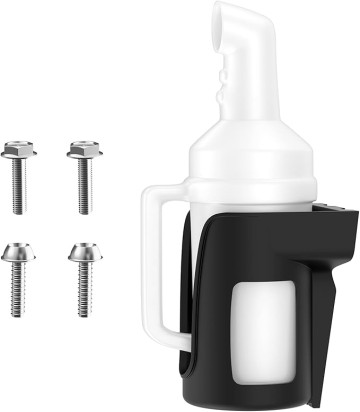
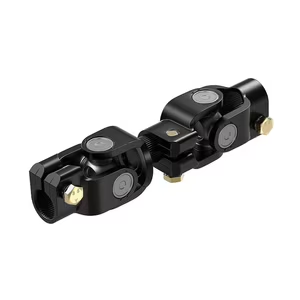
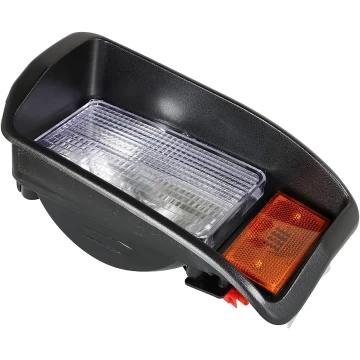
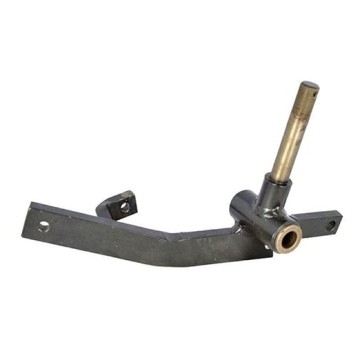
Complete Parts Catalog
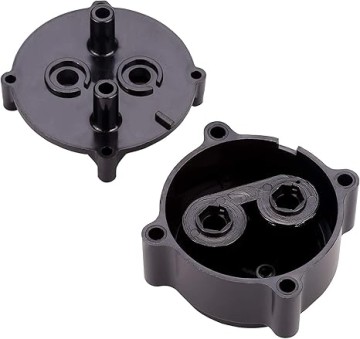
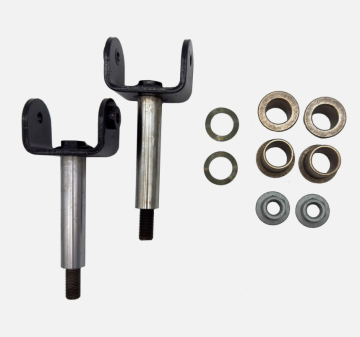
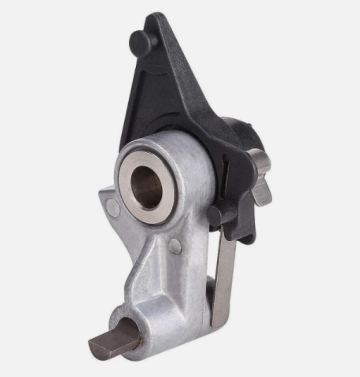
Keep your vineyard tour fleet performing at its peak with genuine OEM-grade replacement parts and accessories.