
 0086-13925528791
Leave Your Message
-
CONTACT XXCART
-
 CONTACT XXCART
-
 CONTACT XXCART
Precision-engineered components trusted by vineyard operators and winery tour fleets worldwide.
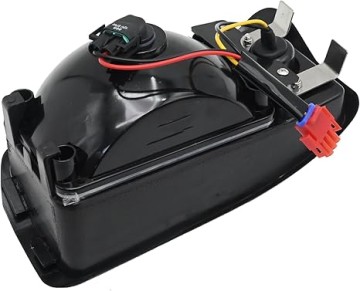 Club Car Golf Cart Left Side Headlights Pair - 101988002 Replacement Part
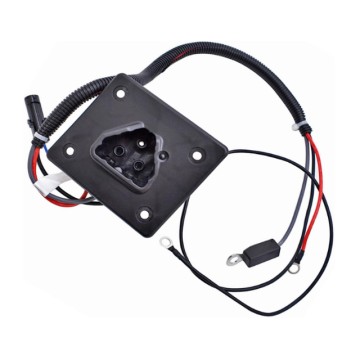 48V Golf Cart Powerwise Charger Receptacle for EZGO RXV Replacement 602529
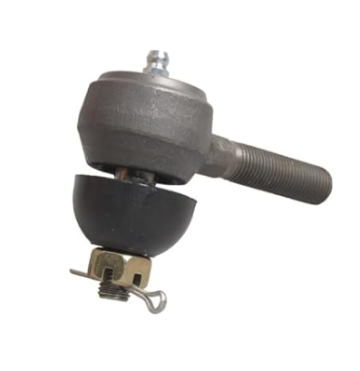 Club Car DS Golf Cart Ball Joint Tie Rod End (1976–2008) – Right-Hand Thread, OEM#7539 | Fits Electric Models
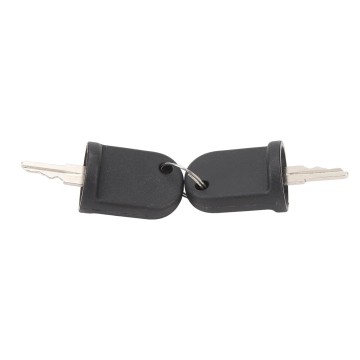 EZGO RXV Ignition Key 605946 | Heavy-Duty Replacement Key for Gas & Electric Golf Carts
Vineyards and wineries across the globe are increasingly turning to golf cart engines and electric cart systems to elevate the guest experience. From Napa Valley to Bordeaux, from Tuscany to the rolling hills of New Zealand, winery operators are discovering that a well-engineered golf cart fleet is not just a convenience — it is a competitive advantage. Guests expect comfort, sustainability, and a memorable journey through the vines, and modern golf cart engine technology delivers on all three fronts.
The global winery tourism market was valued at over $6.4 billion USD in 2023 and is projected to exceed $10 billion by 2030. Within this booming sector, transportation infrastructure — particularly golf cart fleets — plays a pivotal role in shaping guest satisfaction scores, operational efficiency, and brand identity. Choosing the right engine platform, whether gas, electric, or hybrid, is one of the most impactful decisions a vineyard manager can make.
This guide explores the commercial landscape, emerging trends, deep application scenarios, and the specific engine components that matter most when outfitting a vineyard or winery tour fleet.
Electric and hybrid engines dramatically reduce carbon footprint across large vineyard estates, aligning with green tourism certifications.
Modern 48V engine systems deliver powerful torque for navigating uneven vineyard terrain, hills, and gravel paths with ease.
Silent electric motors preserve the serene ambiance of wine country, enhancing guest immersion and reducing noise pollution near sensitive crops.
Fewer moving parts in electric engines mean reduced downtime, lower service costs, and longer fleet lifespan for winery operators.
The most defining trend reshaping golf cart engine selection for vineyards is the accelerating shift from gasoline-powered to electric drive systems. In 2018, approximately 60% of winery tour fleets in North America still relied on gas engines. By 2024, that figure has inverted, with over 65% of new fleet acquisitions being fully electric. This transformation is driven by tightening environmental regulations, rising fuel costs, and the growing eco-consciousness of wine tourism guests.
Leading engine platforms such as the 48V AC induction motor and brushless DC motor systems have become the industry standard for vineyard carts. These systems offer regenerative braking — capturing energy on downhill vineyard slopes — extended range per charge, and seamless torque delivery across all terrain types.
Forward-thinking wineries are integrating IoT-enabled golf cart engine management systems into their operations. GPS tracking, battery health monitoring, remote diagnostics, and automated charging scheduling are now available on premium electric cart platforms. These technologies allow winery managers to optimize fleet utilization, predict maintenance needs before failures occur, and track cart locations across sprawling multi-acre estates in real time.
Wineries are increasingly requesting OEM and ODM customized golf cart builds that reflect their brand identity. Custom body panels in vineyard-inspired color palettes, branded seat upholstery, built-in wine glass holders, and Bluetooth audio systems are becoming standard requests. This customization wave is pushing golf cart engine manufacturers to offer more modular, scalable engine platforms that can accommodate diverse accessory loads without compromising performance.
| Engine Type | Range Per Charge/Tank | Noise Level | Best For | Trend Direction |
|---|---|---|---|---|
| 48V Electric (AC) | 40–80 miles | Near Silent | Flat to moderate terrain | 📈 Rapidly Growing |
| 72V Electric (DC) | 50–100 miles | Near Silent | Hilly vineyard estates | 📈 Growing |
| Gas (EFI) | 150–200 miles | Moderate | Remote, large estates | 📉 Declining |
| Lithium-Ion Hybrid | 80–120 miles | Low | All-terrain luxury tours | 📈 Emerging |
The most visible application of golf cart engines in wine tourism is the guided tour vehicle. These carts transport groups of 4–8 guests through vine rows, barrel rooms, and estate gardens. Engine requirements here prioritize smooth acceleration, quiet operation, and reliable starting in variable weather conditions. Starter generators — such as those compatible with Yamaha G16–G22 platforms — are critical components that must perform flawlessly across thousands of tour cycles per season.
Beyond guest tours, golf cart engines power the operational backbone of vineyard estates. Utility carts carry harvesting equipment, transport grape bins, deliver supplies to remote vine blocks, and support maintenance crews. In these demanding applications, high-torque 48V or 72V motor systems with heavy-duty suspension components are essential. The Club Car DS platform, with its robust ball joint tie rod ends and precision steering geometry, remains a popular choice for vineyard utility operations due to its proven durability on rough terrain.
Many premium wineries operate boutique hotels and luxury resort accommodations on their estates. Golf carts serve as the primary guest transportation between accommodation villas, the main winery building, restaurants, and spa facilities. In this context, the engine system must deliver a premium, whisper-quiet experience. Lithium-ion powered carts with advanced suspension systems and premium finishing options are preferred, with custom headlight assemblies — such as the Club Car 101988002 headlight pair — providing both safety and aesthetic appeal for evening tours.
Sunset tours have become one of the most sought-after premium experiences at destination wineries. These tours require reliable lighting systems, smooth engine performance in cooler evening temperatures, and dependable ignition systems. Heavy-duty ignition keys such as the EZGO RXV 605946 replacement key ensure consistent, reliable starts for every tour departure, eliminating the guest experience disruptions that come with ignition failures.
Modern wineries are investing in ADA-compliant golf cart configurations to ensure their tour experiences are accessible to all guests. Low-floor electric cart platforms with gentle acceleration profiles, wider door openings, and stability-focused suspension geometry are enabling wineries to serve guests with mobility challenges across terrain that would otherwise be inaccessible. The electric engine's smooth, stepless torque delivery is a significant advantage in accessibility applications compared to gas alternatives.
A critical but often overlooked aspect of vineyard golf cart fleet management is the charging ecosystem. The 48V Powerwise charger receptacle system for EZGO RXV carts represents the industry standard for reliable, efficient charging in commercial fleet environments. Wineries are increasingly integrating solar-powered charging stations into their estate infrastructure, allowing cart fleets to operate on 100% renewable energy — a compelling marketing point for eco-conscious wine tourists.
XXCART is a large and powerful manufacturer of electric golf carts which has obtained CE certification. We mainly make high-end customized golf carts, integrating the advantages of EZ-GO, CLUB CAR, and YAMAHA platforms. Meanwhile, adopting advanced technology, we have researched and developed our own car series designed in accordance with technical standards of imported electric vehicles.
With over 21 years of industry experience, a 50,000㎡ manufacturing facility, and distribution across 100+ countries, XXCART is uniquely positioned to supply vineyard and winery tour operators with the engine components, replacement parts, and complete cart systems they need to deliver world-class guest experiences.
Following the core principle of "Quality First, Customer First", XXCART adheres to rigorous quality control processes at every stage of production, ensuring that every engine component that leaves our facility meets the demanding standards of commercial winery fleet operations.
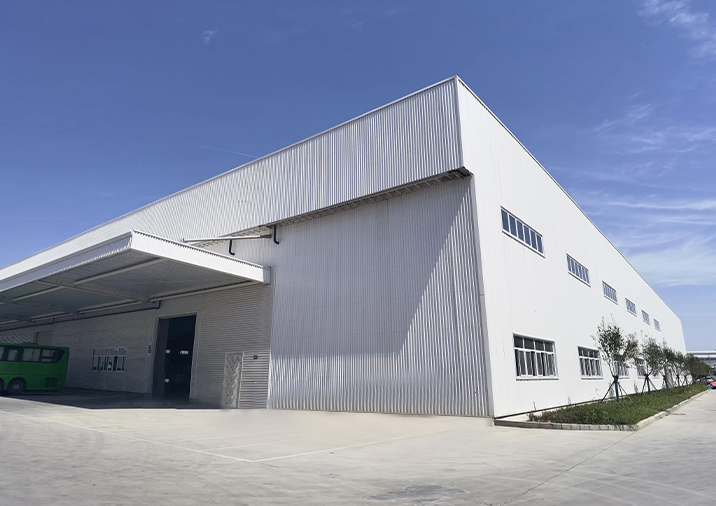
Cover parts are made out of special PP automobile engineering material, which is featured with fashion, beauty, and great durability. These carts are equipped with a unique and individual operation system, agile and smooth steering system, and independent suspension system — all optimized for the specific demands of vineyard terrain.
Whether you need a fleet of 10 carts or 200, XXCART's OEM and ODM customization services allow you to specify engine configurations, body styling, color schemes, seating arrangements, and accessory packages that perfectly match your winery's brand and operational requirements. Our engineering team works directly with winery operators to design solutions that maximize guest comfort and fleet reliability across every season.
Send an InquiryXXCART adheres to quality-bearing responsibility and is committed to providing users with high-quality, safe, and environment-friendly high-performance products. Every engine component is manufactured to exacting tolerances to ensure peak performance in demanding vineyard tour environments.
Adhering to technology-driven advantages, we strive to promote industrial progress, support enterprise development, and realize product upgrading through continuous innovation. Our golf cart engine systems are built to withstand the rigors of daily commercial winery tour operations across all terrain types and weather conditions.
Adhering to service that highlights value, we strive to meet customers' growing expectations with continuously improved services. From single replacement parts to complete custom-engineered fleet solutions, XXCART delivers tailored golf cart engine systems that fit your vineyard's unique operational profile.
The topography of your vineyard estate is the single most important factor in engine selection. Flat valley-floor vineyards can operate efficiently with standard 48V electric systems, while steep hillside estates in regions like Sonoma, Mosel, or the Douro Valley require high-torque 72V systems with reinforced suspension components, including heavy-duty king pin tubes and precision-engineered ball joint tie rod ends.
Map your typical tour routes and calculate the total daily mileage for each cart in your fleet. Factor in elevation changes, passenger loads, and accessory power draws. Ensure your chosen engine and battery system provides at least 25% more range than your calculated daily requirement to account for degradation over time and unexpected extended tour routes.
In a commercial tour environment, engine reliability is paramount. Identify the highest-wear components in your chosen platform — starter generators, ignition systems, charging receptacles, and brake systems — and ensure you maintain an adequate inventory of quality replacement parts. XXCART's extensive parts catalog covers all major platforms including EZGO, Club Car, and Yamaha.
For electric fleets, charging infrastructure planning is as important as the engine selection itself. Calculate your total fleet energy consumption, plan charging station locations for optimal cart flow, and consider solar integration opportunities. The 48V Powerwise charging system provides a reliable, widely-supported charging standard for mixed-brand vineyard fleets.
While electric engine systems typically carry a higher upfront acquisition cost than gas alternatives, the total cost of ownership over a 7–10 year fleet lifecycle is consistently lower. Reduced fuel costs, lower maintenance requirements, fewer moving parts, and longer engine life combine to deliver significant operational savings that directly improve your winery's bottom line.
From starter generators to suspension components — every part your vineyard tour fleet needs, engineered for commercial reliability.
Club Car Golf Cart Left Side Headlights Pair - 101988002 Replacement Part
48V Golf Cart Powerwise Charger Receptacle for EZGO RXV Replacement 602529
Club Car DS Golf Cart Ball Joint Tie Rod End (1976–2008) – Right-Hand Thread, OEM#7539 | Fits Electric Models
EZGO RXV Ignition Key 605946 | Heavy-Duty Replacement Key for Gas & Electric Golf Carts
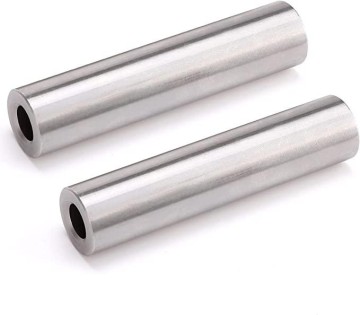 Golf Cart King Pin Tube Fits EZGO RXV 2008+ | Durable Front Suspension Replacement | OEM# 601707
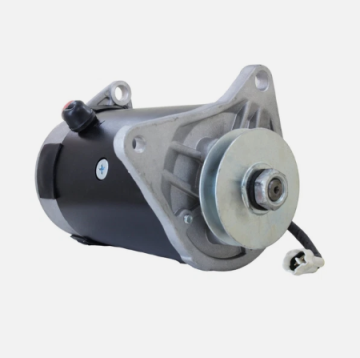 New Starter Generator for Yamaha Golf Cart G16-G22 1996-On
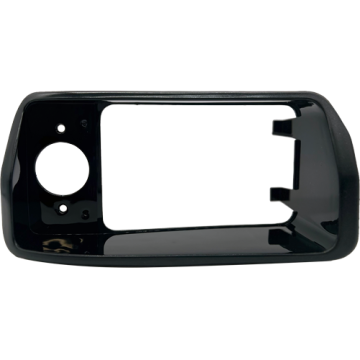 Club Car Golf Cart 1993+ Passenger-Side Headlight Bezel - Part No. 1016879
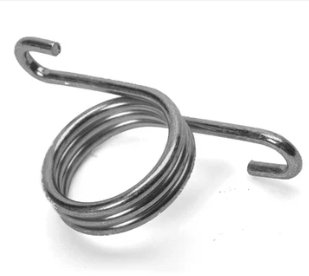 Golf Cart Hill Brake Pedal Return Spring for Club Car DS 1981-Present, Replaces 1010933
© XXCART INC — Professional Golf Cart Engine Solutions for Vineyard & Winery Tour Operations Worldwide | CE Certified | 21+ Years Experience | 100+ Countries Served