 0086-13925528791
Leave Your Message
-
CONTACT XXCART
-
 CONTACT XXCART
-
 CONTACT XXCART
Top-rated electric transit carts engineered for airport terminal efficiency and passenger comfort



Understanding the technology, purpose, and growing importance of electric mobility in modern airports
An electric trolley cart for airport terminal transit is a purpose-built, battery-powered vehicle designed to transport passengers, luggage, cargo, and airport personnel across the vast, complex corridors of modern airport terminals. Unlike conventional fuel-powered utility carts, these electric vehicles produce zero direct emissions, operate nearly silently, and integrate seamlessly into the high-foot-traffic environments where noise, pollution, and safety are paramount concerns.
As global air travel rebounds and passenger volumes surge past pre-pandemic records, airports worldwide are investing heavily in smarter, greener ground-level transit infrastructure. The electric trolley cart stands at the heart of this transformation — bridging the gap between aircraft gates, check-in counters, baggage claim areas, retail zones, and inter-terminal connectors.
Modern airport electric trolley carts are engineered with a comprehensive set of features: high-capacity lithium-ion or AGM battery systems offering 8–16 hours of continuous operation, regenerative braking systems, smart BMS (Battery Management Systems), ergonomic seating configurations for 4 to 24 passengers, and modular cargo bed options. Many latest-generation models also incorporate IoT connectivity modules, enabling real-time fleet tracking, predictive maintenance alerts, and integration with airport operations control centers.
The demand for these carts is driven not only by passenger volume growth but also by the expanding physical footprint of mega-airports. New terminals at hubs like Hartsfield-Jackson Atlanta, Beijing Daxing, Istanbul Airport, and Dubai World Central span distances of 1 to 3 kilometers between gate clusters — making electric transit carts an absolute operational necessity rather than a luxury amenity.
A deep-dive into the current market landscape, key players, and business drivers reshaping airport transit
The commercial adoption of electric trolley carts for airport terminal transit has accelerated dramatically over the past five years. Major international airport operators — including Fraport AG, Airports of Thailand, ADP Group (Paris), and the UAE's ADAC — have rolled out fleet electrification programs that aim to replace 100% of terminal ground vehicles with electric alternatives by 2035. This creates an enormous procurement pipeline for manufacturers globally.
On the industrial supply side, Chinese manufacturers have emerged as dominant global suppliers, offering highly competitive pricing, rapid customization capabilities, and scalable production volumes. Premium OEM-grade components — including servo motor drives, precision steering assemblies, lithium battery packs, and intelligent charger systems — are now produced domestically at quality levels that match or exceed legacy Western competitors.
From a commercial standpoint, airport authorities are increasingly moving toward Fleet-as-a-Service (FaaS) procurement models, where electric cart suppliers provide not just the hardware, but also maintenance contracts, battery leasing, telematics software subscriptions, and driver training programs. This recurring-revenue model benefits both airports (lower upfront capex) and manufacturers (higher lifetime customer value).
Key commercial differentiators in today's competitive market include: battery lifecycle guarantees (typically 1,000–2,000 full charge cycles), IP54 or higher ingress protection ratings for all-weather terminal environments, ADA-compliant accessibility features, and compliance with international aviation ground support equipment standards such as ISO 6966 and EN 1915.
Next-gen solid-state batteries promise 40% higher energy density and 2× the cycle life of current lithium-ion packs, enabling airport carts to run full 16-hour shifts on a single charge.
Level 2–3 autonomous electric trolley carts using LiDAR, computer vision, and HD mapping are undergoing trials at Singapore Changi and Amsterdam Schiphol airports.
Real-time GPS tracking, battery health monitoring, driver behavior analytics, and predictive maintenance dashboards are now standard offerings in premium airport cart systems.
Integrated solar canopy systems on cart storage depots and charging stations can offset up to 30% of daily energy consumption, supporting net-zero airport targets.
New design standards mandate low-floor boarding, wheelchair lift integration, and audio-visual guidance systems — expanding the utility of electric transit carts for PRM (Passengers with Reduced Mobility) services.
5G-enabled carts feed real-time positional and operational data into airport digital twin platforms, enabling dynamic routing optimization and terminal crowd management.
How electric trolley carts serve diverse operational roles across the full airport ecosystem
Electric trolley carts provide rapid, comfortable transit between distant gates, inter-concourse connections, and airside transit lounges. Multi-seat configurations (8–24 passengers) with cushioned seating, PA systems, and USB charging ports create a premium passenger experience while dramatically reducing terminal walking distances.
Heavy-duty electric tow tractors and cargo trolley carts manage the efficient movement of baggage carts, cargo dollies, and airmail containers across terminals and apron areas. High-torque electric motors deliver up to 5-ton towing capacity with smooth, precise control — outperforming diesel tractors in confined terminal corridors.
Purpose-configured electric trolley carts serve as rapid-response medical units equipped with first-aid storage, defibrillator mounts, and stretcher accommodation. Their silent operation allows discreet emergency responses that minimize passenger alarm, while instant torque ensures the fastest possible response times across long terminal distances.
Dedicated wheelchair and PRM-assistance electric carts are a growing priority under EU Regulation 1107/2006 and equivalent global standards. Low-floor designs, powered ramp systems, and gentle acceleration profiles make electric trolley carts the gold standard for dignified, efficient PRM transit services at airports of all sizes.
Maintenance crews use utility-configured electric carts to transport tools, equipment, cleaning supplies, and technical staff rapidly across terminal floors and airside areas. Extended battery range (up to 120 km per charge) and heavy payload capacity (up to 800 kg) make them ideal workhorses for 24/7 airport operations.
Behind-the-scenes electric trolley carts manage restocking operations for terminal retail outlets, duty-free shops, and food & beverage concessions — navigating back-of-house service corridors to deliver goods efficiently without disrupting passenger flows in public terminal areas.
The versatility of airport-grade electric trolley carts extends well beyond the terminal building itself. On the apron, electric ground support equipment (eGSE) carts handle aircraft cleaning crew transport, catering delivery vehicle escort, and pre-departure inspection support. In multi-modal transport hubs integrating rail, metro, and bus connections, electric transit carts serve as the critical last-mile connector between transportation nodes — a role that will only grow as airport cities and aerotropolis developments expand globally.
Large convention centers, exhibition halls, cruise terminal complexes, and sports stadiums are also adopting airport-specification electric trolley carts as their primary internal transit solution — opening vast new commercial markets beyond traditional aviation customers for manufacturers and distributors.
Standing on the mountain peak, we can see the farther world.
Due to unique style, excellent quality, perfect service, we have been approved by clients and market in maximum extent. Such as USA, Italy, Canada, Belgium, Bulgaria, Ireland, Austria, Norway, Sweden, Denmark, Finland, France, Spain, Brazil, Mauritius, Maldives, Thailand, Philippines etc. we have a good cooperation with the customers in these countries, which we share brand, develop new products each other. We are also able to meet various demands of different customers by adopting varied configurations of color and style. We not only provide our customers good before-sale service but also good after-sale service. Even we can arrange engineer to solve the problems for customers. Following the basic concept of "Quality first, Customer first".
 One-stop service High quality products Advanced production equipment OEM & ODM services
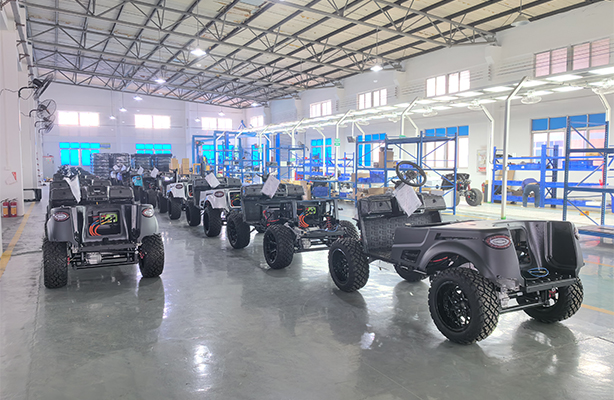
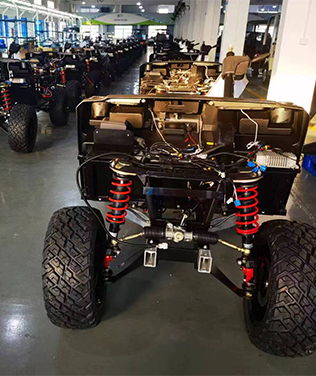
We design and developed numerous parts, and control the tooling and manufacturing operations for most of our items. You can be assured of consistently high quality products at a reasonable price. Our major OEM parts include Club Car, E-Z-GO and Yamaha. At XXCART, we are proud to offer functional parts which are equal or exceed that of OEM replacement parts and accessories at a competitive price.
 "We not only provide our customers good before-sale service but also good after-sale service."
 "Even we can arrange engineer to solve the problems for customers."
Our vertically integrated manufacturing model, combined with a global distribution network across 30+ countries, means faster lead times, tighter quality control, and fully customized electric trolley cart solutions built precisely to your airport terminal's operational requirements.
Every component — from brake systems and steering assemblies to battery management electronics — is engineered, tested, and certified to deliver the highest standards of reliability demanded by 24/7 airport operations worldwide.
Browse our full range of OEM-grade components engineered for airport terminal transit cart performance and longevity