 0086-13925528791
Leave Your Message
-
CONTACT XXCART
-
 CONTACT XXCART
-
 CONTACT XXCART
High-end golf courses are no longer just defined by the design of their fairways or the speed of their greens; they are increasingly judged by the quality of the guest experience and the sustainability of their operations. Electric golf carts have transitioned from simple, utilitarian transport vehicles to sophisticated, high-tech mobility platforms that define the modern premium resort. As championship golf courses globally commit to zero-emission mandates and immaculate turf preservation, the demand for high-performance electric golf cart fleets—and the premium OEM-grade parts that keep them running—has reached an all-time high.
This paradigm shift is driven by the necessity for silent, emission-free operation. In a luxury country club setting, the disruptive noise and exhaust smells of traditional gas-powered carts are relics of the past. Modern electric carts offer a near-silent ride, allowing players to enjoy the natural soundscape of the course. Furthermore, the integration of advanced battery management systems and high-efficiency electric motors ensures that these vehicles can handle 36 holes or more on a single charge, minimizing fleet downtime and maximizing course profitability.
Zero direct emissions protect local ecosystems while keeping fairways clean and odor-free.
Silent electric drivetrains enhance player concentration and preserve the serenity of the course.
High-precision controllers and sensors allow fleet managers to monitor wear and tear in real-time.
The global market for electric golf carts is undergoing a rapid technological renaissance. High-end golf courses are transitioning from lead-acid batteries to lithium-ion power plants. This transition significantly reduces the overall weight of the cart, which in turn reduces soil compaction—a critical factor in maintaining pristine bentgrass and bermudagrass fairways. The weight reduction also decreases wear and tear on steering and suspension components, such as tie rods, ball joints, and king pins.
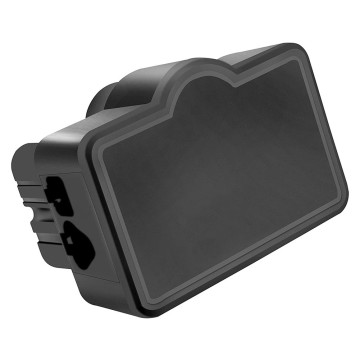
From a commercial perspective, fleet managers are looking at total cost of ownership (TCO). While the initial capital expenditure for a premium electric fleet is higher, the operational savings are substantial. Maintenance intervals are extended, and the cost of electricity per charge is a fraction of the cost of gasoline. However, to realize these savings, the fleet must remain fully operational. Even minor component failures, such as a faulty throttle potentiometer (MCOR) or a worn brake cable, can take a cart out of service, disrupting tournament schedules and guest satisfaction. This highlights the critical importance of sourcing high-quality, OEM-equivalent replacement parts.
To understand the rigorous demands placed on electric golf carts, one must analyze their typical daily cycle on a championship-level course. These courses often feature challenging terrains, including steep elevation changes, sand hazards, and wet coastal microclimates. Below are the key scenarios where component quality directly impacts performance:
Standing on the mountain peak, we can see the farther world.
 One-stop service
High quality products
Advanced production equipment
OEM & ODM services


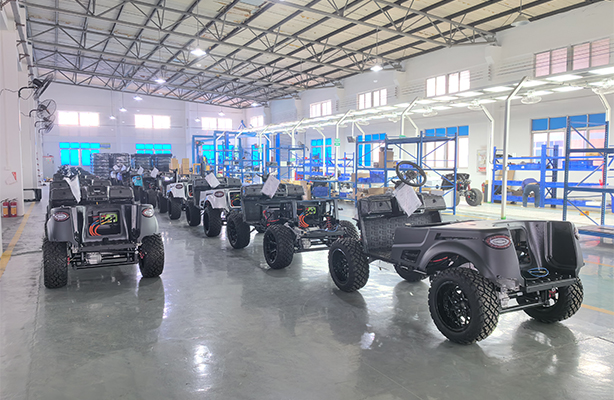
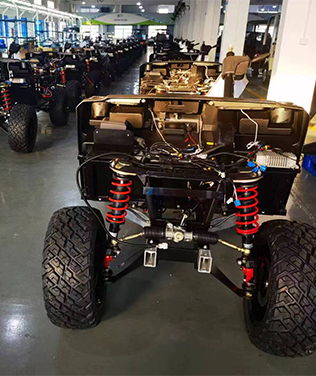
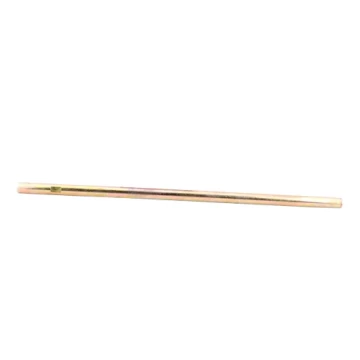
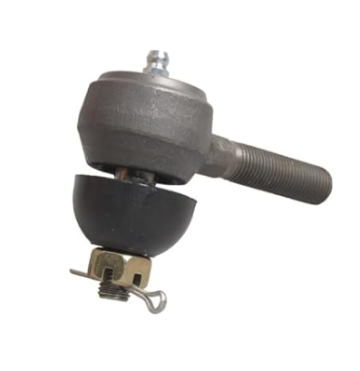
The longevity of an electric golf cart fleet operating on a premier golf course is heavily dependent on the integrity of its steering and suspension systems. Unlike standard courses, high-end layouts often feature undulating terrains, architectural concrete paths, and complex landscaping. Carts are subjected to continuous vibration, which can lead to misalignment and component fatigue. Sourcing high-quality tie rods, ball joints, and king pin repair kits is crucial to ensuring that the fleet maintains its smooth, luxurious ride quality.
When steering joints wear out, it introduces "play" in the steering wheel. For a golfer, this translates to a loose, unresponsive feel, which detracts from the premium experience. For the course superintendent, it means uneven tire wear and potential damage to the turf. By implementing a proactive maintenance schedule utilizing OEM-grade replacement parts, fleet managers can prevent these issues before they manifest as customer complaints or costly turf repairs.
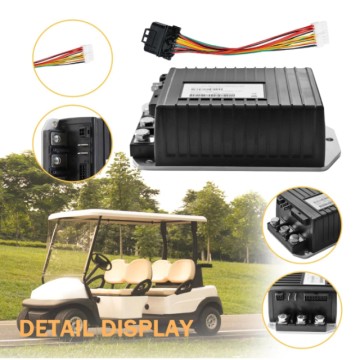
At the heart of every modern electric golf cart is its electronic control system. The throttle potentiometer (MCOR) and the motor controller act as the brain and nervous system of the vehicle. These components translate the driver's input into smooth, controlled acceleration. In high-end golf course applications, where carts must navigate tight paths near players and sensitive hazards, precise speed control is paramount.
If a motor controller or throttle potentiometer fails, the cart can exhibit sudden jerking movements or fail to move entirely. This not only disrupts the flow of play but can also cause safety concerns on steep inclines. Sourcing top-tier replacement controllers and MCOR sensors that meet or exceed OEM specifications is the best way to guarantee the reliability of your fleet. Investing in quality electronics is an investment in the safety, efficiency, and reputation of your golf course.