In today’s fast-paced global marketplace, really getting the hang of import certification is super important for businesses that want to roll out the best Black Golf Cart in different markets. 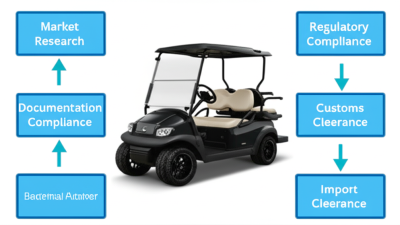 Take TOP GOLF CO., LTDfor example; as a major player in the Golf Cart scene, they've been all about providing top-notch parts for big names likeClub Car, E-Z-Go, and Yamaha. Now, with 2025 bringing some exciting tech trends—think serious leaps in electric vehicles and custom designs—companies have to wade through all the confusing import regulations to stay on top of compliance and make a smooth entry into the market. So, this blog is here to give you a solid rundown on mastering the import certification process. Plus, we’ll showcase just how valuable those premium Black Golf Carts are that meet international standards. Let’s make sure your journey in the global market is not just successful but also brings in some good profits!
Challenges in Import Certification for Black Golf Carts Globally
Getting the hang of import certification for black golf carts in global markets can be pretty tricky, especially in places like the United Arab Emirates (UAE). With the UAE stepping up as a key market for all sorts of products, it's super important to know the ins and outs of the rules around importing vehicles if you want to make a successful entrance into this scene. The whole import certification game can be a real maze, thanks to the fact that standards and regulations are not only different from one country to another, but they can also change within the various emirates of the UAE.
One of the big challenges here is keeping up with the UAE's tough safety and environmental regulations. Importers really need to make sure their black golf carts check all the right boxes before they can hit the shelves. This often means going through some serious testing and validation, which can, honestly, drag out the whole process way longer than you'd like. Plus, getting all the necessary documentation from the authorities can feel like climbing a mountain at times.
**A few tips:** First off, get cozy with the UAE’s import rules by talking to local trade agencies or even legal experts who know their stuff when it comes to trade compliance. Then, think about teaming up with a local partner who really understands the market; they can help you navigate the certification jungle way more easily. And hey, don’t skimp on keeping your documentation in check—having all the permits and certifications lined up will really help you speed up the import process and cut down on those annoying delays.
Understanding Key Regulations for Importing Black Golf Carts
Bringing black golf carts into global markets can be quite the adventure! But, let me tell you, it comes with its fair share of challenges and rules that could really impact your business. So, getting a grip on the main import certification requirements is super important if you want to make your entry as smooth as butter. Each country has its own set of regulations when it comes to safety standards, emissions, and product specifics. So, it’s a good idea to brush up on these rules ahead of time to steer clear of any pesky fines or delays.
Here’s a little tip: before you dive into the import process, it’s wise to chat with a customs broker or a trade expert who really knows the ins and outs of the regulations in the countries you’re targeting. They’re like your secret weapon, providing helpful insights about certification documents and any necessary inspections. This can really help you sail through the import process.
And another thing—make sure to keep all your important documents neatly organized. I’m talking about safety certifications and technical specifications for your golf carts. This will not only come in handy during inspections but can also speed up the certification process if customs decides to throw any curveballs your way. By staying organized and in the loop, you’ll be able to tackle the tricky world of import certification like a pro!
Analyzing Market Trends and Demand for Black Golf Carts Worldwide
You know, black golf carts are really gaining traction these days! It seems like everyone’s getting into golf, and there’s just something about those sleek, custom-designed rides that people can’t resist. Especially in places like North America, and even in some up-and-coming spots in Asia, the interest in recreational golf is really taking off. Manufacturers are stepping up their game, producing top-notch black golf carts that are not only super practical but also look fantastic. People want that touch of luxury on the course, plus a nice way to get around while they play.
And hey, speaking of trends, eco-friendly electric black golf carts are really becoming the go-to choice for a lot of buyers. With everyone thinking more about the environment these days, you’ve got folks gravitating towards electric models that are sustainable but still pack a punch when it comes to performance and style. This shift is pushing companies to innovate, coming up with carts that are both energy-efficient and good-looking. So, as things heat up in the competitive market, it's gonna be super important for businesses to keep an eye on these trends and what consumers are up to, especially in both the well-established and emerging markets.
How to Navigate Import Certification for the Best Black Golf Cart in Global Markets - Analyzing Market Trends and Demand for Black Golf Carts Worldwide
| Region | Market Demand (Units) | Average Price (USD) | Growth Rate (%) | Certification Required |
| North America | 15,000 | 12,000 | 5.0 | EPA Certification |
| Europe | 10,000 | 14,500 | 4.5 | CE Marking |
| Asia-Pacific | 20,000 | 8,000 | 6.0 | ISO Certification |
| Latin America | 5,000 | 10,500 | 3.0 | ANATEL Certification |
| Middle East | 8,000 | 11,000 | 4.0 | SASO Certification |
Best Practices for Ensuring Compliance in Golf Cart Importation
Getting a grip on the ins and outs of import certification for golf carts, especially those sleek black models everyone’s after, can feel like a real maze. I came across this interesting report from the Global Golf Cart Market Analysis, and it says the demand for electric golf carts is set to grow by about 6.3% annually from 2021 to 2028. That really shows how critical it is to keep up with industry standards if you want to make the most of this booming market. For companies thinking about importing, it’s super important to get the right certifications, like ISO 9001. That one’s all about making sure you’ve got quality management systems down pat, which reflects a serious commitment to high manufacturing standards.
When it comes to best practices for compliance in golf cart importing, you really can’t overlook regular audits of the manufacturing processes, especially those that deal with safety and environmental regulations. Take TOP GOLF CO., LTD, for example—they’re all about creating top-notch parts for major players like Club Car, E-Z-Go, and Yamaha. So, it’s crucial that their products meet international standards. Plus, working hand in hand with regulatory bodies can really help smooth out the certification process and give a heads-up on market changes. This makes it way easier to stay compliant and keep a leg up on the competition in global markets.
Impact of Tariffs and Trade Agreements on Golf Cart Imports
So, let's talk about importing black golf carts and all those complexities that come with it. First off, you really need to wrap your head around tariffs and trade agreements—they play a huge role in this game. You see, tariffs can seriously jack up the cost of bringing these carts into a country, which might push potential buyers to think twice before splurging. For instance, if a country slaps high tariffs on imported golf carts, local options might look way more appealing price-wise. It's super important for importers to keep up-to-date on current tariffs to nail down their pricing strategies.
Tip 1: Check Out Current Tariffs
Before you jump into the importation hustle, do yourself a favor and dig into the tariffs that relate to golf carts in your target market. Knowing the tax burden you'll face can really help you price your products more cleverly.
Now, trade agreements are another biggie when it comes to easing tariff pains. Take regions with free trade agreements, for example—they often get to enjoy reduced or even zero tariffs, making it a lot easier and cheaper to bring in those carts. Being in the loop on these agreements can seriously give you an upper hand by cutting down your costs and boosting your profits.
Tip 2: Use Trade Agreements to Your Advantage
Make sure to identify any trade agreements that could apply to the countries in your supply chain. Partnering up with suppliers in areas that have better trade terms can really help you compete on price without skimping on quality.
By keeping all these insights in mind, importers can truly navigate the tricky waters of the black golf cart market, improving their logistics and financial strategies.
Strategies for Streamlining the Import Certification Process for Golf Carts
Getting through the import certification process for golf carts—especially the top-notch black models—can be quite the head-scratcher for manufacturers and distributors. To make things easier, it's really important for companies to wrap their heads around the regulatory rules in the markets they're aiming for. Getting to know local import laws and safety standards is a must! And don't forget about the paperwork: you'll need to have your design specs, safety certifications, and environmental compliance records all neatly organized to dodge any hold-ups.
Here’s a quick tip: keep the lines of communication open with those regulatory bodies. Stay in the loop about any updates or changes in the import requirements. Trust me, being proactive can save you a lot of time and money in the long run.
Over at TOP GOLF CO., LTD, we really focus on high-quality manufacturing—from the design stage all the way through to tooling. When we make parts for top brands like Club Car, E-Z-Go, and Yamaha, we make sure they meet the highest standards. That way, we can speed up the certification process quite a bit.
Also, here’s another tip: team up with pros who know the ins and outs of import/export. These folks can offer tailored advice on certification strategies that fit specific markets. Their expertise can help you tackle the complicated paperwork and reduce the chances of running into compliance issues.
By using these strategies, companies can handle the import certification process much more efficiently. This not only boosts their competitiveness in global markets but also helps maintain the high quality that TOP GOLF CO., LTD is known for.
FAQS
It is advisable to consult local trade agencies or legal experts specializing in trade compliance to understand the specific import regulations that apply to your products.
A local partner can provide valuable insights into the market's nuances and help navigate the import certification process more effectively, thus simplifying the overall experience.
Keeping organized documentation, including safety certifications and technical specifications, can expedite the certification process and help during inspections by customs authorities.
Importers must familiarize themselves with safety standards, emissions regulations, and product specifications that vary by country to avoid fines or delays in entry.
A customs broker can offer expertise on the specific regulations and required certification documents for the countries you wish to enter, streamlining the overall import experience.
The growing popularity of golf as a leisure activity and the appeal of stylish vehicles have increased demand, particularly for high-quality and aesthetically pleasing black golf carts.
With rising environmental awareness, consumers prefer electric models that are sustainable yet offer performance and style, prompting manufacturers to innovate in this area.
Being aware of trends and consumer behaviors helps businesses adapt their products to meet market demands, enhancing their competitiveness in both established and emerging markets.
Lack of proper documentation or failure to comply with import regulations can prompt customs inquiries, making thorough document management essential.

 0086-13925528791
 CONTACT XXCART
 CONTACT XXCART