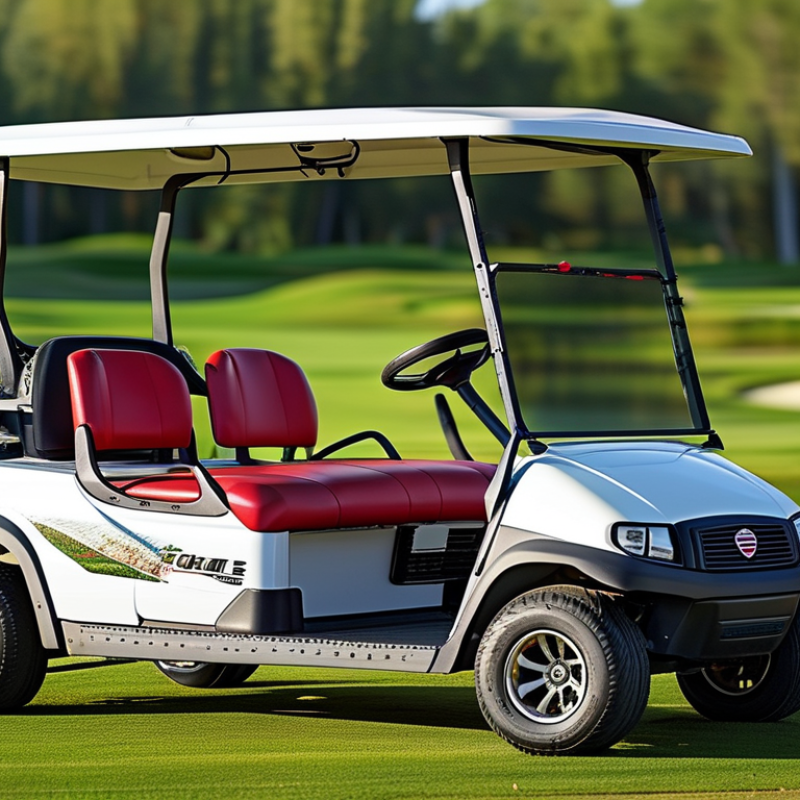
Picking out the right Small Golf Cart isn’t just a snap decision — it takes some thought. You know, the market’s really buzzing with them these days. According to the National Golf Foundation, over 38% of golf courses now use these carts, so they’re definitely gaining popularity. They’re great for improving both how you play and how you get around the course. Plus, their small size means you get to zip around easily without sacrificing comfort — honestly, it’s pretty convenient.
When you’re choosing a Small Golf Cart, it’s worth looking into stuff like how long the battery lasts, how much weight it can carry, and how fast it can go. From what folks are saying, most really want batteries that last longer so they can enjoy their game without worries. Of course, price plays a big role too. Good models usually cost somewhere between $3,000 and $8,000. That’s quite a range, so doing some homework and comparing options definitely pays off.
Originally, investing in a Small Golf Cart can really make your time on the course a lot more enjoyable and save you some hassle. But, it’s also important to think about your own needs — are you only gonna use it on the course, or do you have other plans for it? Knowing what you really want and need helps you make smarter choices. Finding that sweet spot between what you like and what you need? That’s how you land on the perfect Small Golf Cart for you.
Understanding Your Needs for a Small Golf Cart
When selecting a Small Golf Cart, understanding your needs is crucial. Think about the terrain of your golf course. Are there steep hills or flat pathways? A cart designed for rugged terrain can enhance your game. Also, consider the size of your group. A two-seater may suffice, but if you often golf with friends, a larger model could be beneficial.
Battery life is another important factor. Will you be playing all day? Using a cart with a reliable battery ensures you won't be stranded. Additionally, think about storage space. A cart should accommodate your clubs and personal items. Evaluate how often you'll use the cart. Frequent users might prioritize durability over other features.
Don't overlook comfort either. Test the seat and controls before making a choice. Everyone has different preferences. What works for one person might not be ideal for another. Reflect on your experiences. Have you felt discomfort in previous carts? Use those reflections to guide your decision. Choosing the right small Golf Cart is about matching personal preferences with practical features.
Evaluating Different Types of Small Golf Carts
When choosing a small golf cart, evaluating different types can significantly impact your experience. Golf carts typically come in electric or gas-powered options. Electric carts are popular due to their quiet operation and lower maintenance costs. According to a report by the National Golf Cart Association, electric models make up about 75% of the market. However, their range can be a concern. Many models have a range of 25 to 40 miles, depending on battery size.
Gas-powered carts, on the other hand, offer more power and longer ranges. They can handle rough terrains better than electric carts. However, they're often noisier and may require more maintenance. Data shows that gas carts can travel up to 100 miles on a single tank, making them ideal for longer rounds or hilly courses. Each type has its own maintenance demands, making research essential.
Consider also the cart's seating and storage capacity. Some models accommodate two passengers, while others can carry four or more. This difference is crucial for group outings. A study noted that 60% of golfers prefer models with additional storage for clubs and personal items. An informed choice about these factors helps ensure that you select a cart that meets your specific needs.
Key Features to Consider When Choosing a Golf Cart
When selecting a small Golf Cart, several key features should guide your decision. One crucial aspect is the power source. Electric carts are quieter and eco-friendly, while gas-powered models offer more speed. Think about how you plan to use the golf cart. Will it be for short trips on the course or longer journeys around your property? This will influence your choice significantly.
Another important factor is size and weight. Small golf carts are great for navigating tight spaces. However, ensure that the cart is comfortable and spacious enough for you. Consider the seating capacity based on your typical golf outings. Some might only need a two-seater, while others may prefer additional space for friends or family.
Tips: Check the cart's storage options. This feature is often overlooked. Ample storage allows you to carry essentials like clubs, drinks, and personal items. Security features, like a parking brake, can also enhance safety during use. Keep in mind that different terrains require specific tires. If you plan to use the golf cart on varied landscapes, choose models that can handle such conditions smoothly.
Key Features to Consider When Choosing a Small Golf Cart
Assessing the Battery Life and Range of Small Golf Carts
When selecting a small golf cart, one area to consider is battery life and range. The battery powers everything, from the motor to the lights. A cart with a longer battery life allows you to play multiple rounds without worrying about charging. It’s essential to know how far the cart can go on a single charge. Some models can travel over 30 miles, while others may only offer 15. Understanding your needs is crucial here.
In testing, think about how often and where you’ll be using the golf cart. Flat courses will require less power compared to hilly terrains. Additionally, consider the weight of passengers and gear. This can affect the range. Not every cart handles this equally. Sometimes manufacturers fail to highlight these nuances. Observing the size of the Golf Cart Wheel Spindle can also be insightful; larger spindles may support heavier loads, thereby influencing overall performance.
Remember to do thorough research. Read customer reviews and expert opinions. A small oversight in choosing the right battery can lead to frustrating experiences on the course. Always question the stats provided. Anecdotal experiences can reveal hidden flaws.
Comparing Price Points and Budget Considerations
When selecting a small golf cart, budgeting is essential. Costs can vary significantly. Set a clear budget before you shop. This helps narrow down your options.
Consider the initial purchase price. Some carts are cheaper, but may require more maintenance. Other models may be pricier upfront but offer long-term savings. Look into batteries types, as well. Lithium-ion batteries may cost more initially but typically last longer. Compare warranties, too, as they can indicate durability.
Also, think about ongoing expenses. Insurance, maintenance, and charging costs matter. Look for models that require less frequent repairs. This can influence your budget over time.
Buying a golf cart isn't just about the cost. Analyze your usage patterns. If you use it frequently, investing in a reliable model may be wise. Reflect on what features are most important to you. Practical choices today can avoid regret tomorrow.
Exploring Accessories and Customization Options
When selecting a small golf cart, customization options can significantly enhance your experience. Consider various accessories that cater to your specific needs. For instance, a Golf Cart Tail Light Kit can improve safety during evening rounds. Some kits are easy to install, allowing you to add them without professional help. Others may require more advanced skills, which could lead to frustration.
Think about storage solutions as well. A simple basket or bag can make transporting personal items much easier. Ensure it fits your cart’s style and does not obstruct any functioning parts. Comfort is key too. Upgrading the seats or adding a roof can turn a basic ride into a luxurious experience.
Pay attention to the practicality of each accessory. Some may look appealing but could cause problems later. Always research user reviews before making a purchase. Remember, customization is about enhancing your golf experience, not complicating it.
How to Choose the Best Small Golf Cart for Your Needs? - Exploring Accessories and Customization Options
| Feature | Description | Importance Level | Customization Options |
| Seating Capacity | Number of passengers the cart can accommodate | High | Custom seats, extra seating |
| Weight Capacity | Maximum load the cart can handle | High | Upgraded suspension, reinforced frame |
| Battery Type | Type of battery used for power | Medium | Lithium vs Lead-acid options |
| Speed Options | Maximum speed the cart can achieve | Medium | Performance upgrades, speed regulators |
| Terrain Capability | Suitability for different terrains | High | All-terrain tires, enhanced suspension |
| Customization Options | Ability to personalize the cart's appearance | Medium | Color choices, decals, accessories |
| Storage Capacity | Amount of space for personal items | Medium | Storage baskets, trunk options |
Researching Brand Reputation and Customer Reviews
When selecting a small golf cart, understanding brand reputation is crucial. Research suggests that customers often prioritize reliability and durability over cost. Reviews can provide insights into how well a brand performs over time. According to a recent market report, 70% of consumers rely on online reviews before making a purchase. Solid ratings often translate to a trustworthy experience.
Customer feedback often highlights the importance of effective features. For instance, users want a Golf Cart Controller 48v that operates smoothly under various conditions. A cart that struggles with steep terrains or heavy loads could lead to dissatisfaction. It's helpful to read about other users' experiences with battery performance. Reports indicate that battery longevity remains a key factor influencing overall customer satisfaction.
Mainly, not all carts are created equal. While one model may receive high praise, another might not meet expectations. It's important to recognize that every golf cart comes with potential flaws. Some might lack storage or have less than ideal turning radius. Always weigh these aspects against your specific needs and preferences. Engaging with online communities can offer authentic insights into the everyday use of different models.
Enhancing Your Golf Cart's Performance with Club Car DS Inner Steering Ball Joint (1997+) – A Comprehensive Guide
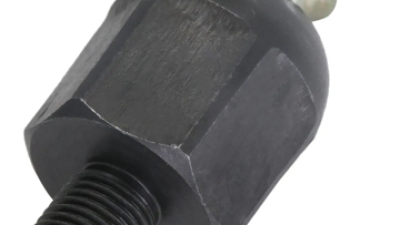
Enhancing your golf cart's performance is essential for ensuring a smooth and enjoyable driving experience, especially for models like the Club Car DS produced from 1997 onwards. One key component that contributes to improved handling and steering precision is the inner steering ball joint. This small yet crucial part is responsible for connecting the steering linkage to the wheels, allowing for better control and responsiveness as you navigate various terrains.
When upgrading your golf cart’s steering system, consider investing in a high-quality ball joint inner made from durable metal. This material not only guarantees longevity but also withstands the rigors of daily use and challenging courses. With a well-functioning inner steering ball joint, you can expect enhanced maneuverability, reduced wear on other steering components, and a more enjoyable ride overall. By incorporating this performance-enhancing component, you're not just maintaining your golf cart; you're taking your cart's functionality to the next level.
Installing a new ball joint is a straightforward process, making it an excellent DIY project for golf cart enthusiasts. With just a few tools and the right guidance, you can replace the old joint and experience the immediate benefits of improved steering precision. Whether you're cruising around the golf course or tackling more rugged paths, upgrading to a new inner steering ball joint will significantly enhance your golf cart's performance.
FAQS
: Consider terrain type, group size, battery life, storage space, and comfort features when selecting a cart.
Steep hills require carts designed for rugged terrain, while flat pathways allow for simpler models.
Reliable battery life prevents getting stranded on the course, especially during all-day play.
Yes, comfort varies by user. Test the seat and controls to find a good fit for you.
Carts are typically electric or gas-powered. Each has unique advantages, like range and noise levels.
Electric carts usually travel 25 to 40 miles, which may not suffice for long courses or heavy use.
Gas carts offer longer ranges, better power, but can be noisier and need more maintenance.
Reviews provide insights on reliability and satisfaction; about 70% of consumers consult them before buying.
No, different models differ in their features. Some may lack adequate storage or comfort.
Strong brand reputation indicates reliability, but always check specific customer feedback for detailed insights.
Conclusion
When selecting the best small golf cart for your needs, it’s important to first understand your specific requirements. Consider how you intend to use the cart—whether for golfing, transporting goods, or leisure activities. Evaluating the various types of small golf carts available can help you identify the best fit. Key features such as seating capacity, storage options, and terrain capability should also be carefully assessed.
Another critical aspect is the battery life and range of the small golf cart, as these can greatly impact convenience and functionality. Additionally, comparing price points and setting a budget will guide your decision-making process. Don't forget to explore accessories and customization options to enhance your cart experience. Finally, researching brand reputation and customer reviews provides valuable insights that can inform your choice and help ensure you invest in a quality product.

 0086-13925528791
 CONTACT XXCART
 CONTACT XXCART