0086-13925528791 


Picking the right Golf Cart motor can make a big difference in how well your cart performs and how efficient it is. Industry pro John Smith from Golf Innovationsputs it well: "The right motor can totally change what your cart can do." Whether you're just out playing a casual round or running a Golf Cart business, really understanding what you need is super important.
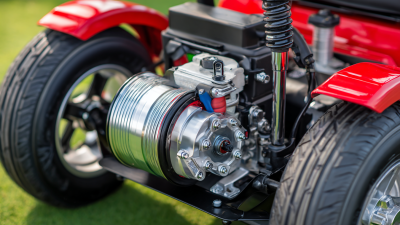
Golf Cart Motors come in all kinds, each built for different things. Some are all about speed, while others give you more torque. Like, if you're always driving up and down hilly areas, you'd probably want a motor that packs a punch in torque. Take your time checking out your options—rushing might end up disappointing you.
And hey, not every motor is the same. With so many choices, it’s easy to get overwhelmed. Think about what actually fits your lifestyle before making a decision. And don’t be shy about asking experts for advice—they can help you navigate all those technical details and find the perfect fit for you.

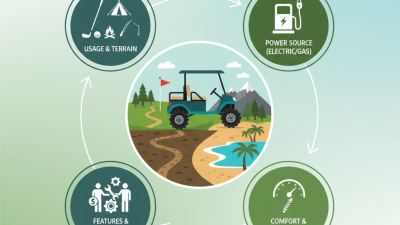
When selecting Golf Cart Motors, several factors come into play. Power requirements are crucial. Different terrains demand motors with varying horsepower. For hilly areas, a powerful motor is essential. Flat courses may need less power. Pay attention to voltage too. Many carts use 36V or 48V systems. Higher voltage often translates to better speed and efficiency.
Consider the type of use. Recreational drivers may not need as robust a motor as frequent users. The weight of the cart matters, too. Heavier carts require more power to operate efficiently. Battery life should be a priority. Some motors consume more energy than others, impacting how long you can drive.
Don’t overlook noise levels. Some motors are quieter, which can enhance the overall experience. However, a quieter motor may compromise power. Think about your specific needs. A motor that works well for one user might not suit another. Reflect on what features you truly require to find the right match for your Golf Cart.
| Factor | Description | Importance Level |
|---|---|---|
| Power Rating | The motor's horsepower rating, which affects acceleration and speed. | High |
| Voltage | The battery voltage that the motor is designed to use, typically 36 or 48 volts. | High |
| Type of Use | Whether the golf cart will be used on flat terrain or hilly areas. | Medium |
| Torque | Amount of rotational force the motor can provide, affecting hauling capacity. | High |
| Motor Type | AC motors are more powerful; DC motors are efficient for short runs. | Medium |
| Cooling System | Quality of the motor’s cooling system to prevent overheating. | Medium |
| Weight | Motor weight affects cart weight and performance. | Low |
| Cost | Price of the motor and budget considerations. | High |
When it comes to selecting golf cart motors, the debate often boils down to electric versus gasoline options. Electric motors are quiet and require less maintenance, making them appealing for many users. They produce zero emissions, which is a huge plus for eco-conscious golfers. However, their range can be limited, especially on larger courses. Battery life can also be a concern, and recharging might interrupt your game.
On the other hand, gasoline engines provide more power and longer range. They can tackle uneven terrain better than electric motors. Yet, they come with the downside of higher maintenance costs and noise. The fuel required adds to running expenses too, which some find off-putting. It's essential to consider where and how often you'll use your golf cart when making a choice.
Think about your usage patterns. Do you play on flat courses or hilly terrains? Will you need to travel long distances? Reflecting on these factors is crucial. Often, the choice isn't simply about performance but also about convenience and cost. Each option has its quirks, and weighing these can lead to a more informed choice.
When selecting golf cart motors, understanding voltage and amp ratings for batteries is crucial. Voltage defines the potential energy that drives the motor. Most golf carts operate on 36V or 48V systems. Choosing a higher voltage can improve speed and efficiency. However, it’s vital to match the motor's voltage to the battery's. An imbalance can lead to decreased performance or even damage.
Amp ratings indicate the battery’s capacity to deliver power over time. A standard lead-acid battery may have ratings from 150 to 220 amp-hours (Ah). This means it can provide 150-220 amps for one hour. A higher amp-hour rating can extend the range but also raises costs. Understanding your specific usage patterns—like distance traveled and terrain—will help decide the right amp capacity.
Reports suggest that most recreational users need batteries with at least 170 Ah for optimal performance. However, many do not consider this and end up underpowered. With so many options available, being informed is essential. Choosing incorrectly may lead to frequent charging or inadequate performance. Buying decisions based on vague assumptions can leave drivers frustrated and their carts underperforming.
When selecting the right golf cart motor, understanding your power and torque needs is crucial. Many users overlook these aspects. The right balance ensures reliability and performance. A typical golf cart might require a torque range of 30 to 40 ft-lbs. This range typically supports standard features like hill climbing and carrying weight on uneven terrain.
Evaluating these specifications starts with assessing your cart’s typical usage. If your course has steep hills or rough patches, you need a motor with higher torque. Reports show that motors with over 1000 watts often provide adequate power for these challenges. However, this power can be excessive on flat courses. Energy efficiency becomes a concern. The motors' rated efficiency can vary, impacting your battery life and operational costs.
Another point to consider is weight. A heavier cart may need more torque to maintain speed. If your cart's additional features weigh it down, you might find yourself needing to upgrade. Many users find themselves regretting their choices when the motor they picked does not meet their demands. It’s essential to analyze these factors and align them with your specific requirements.
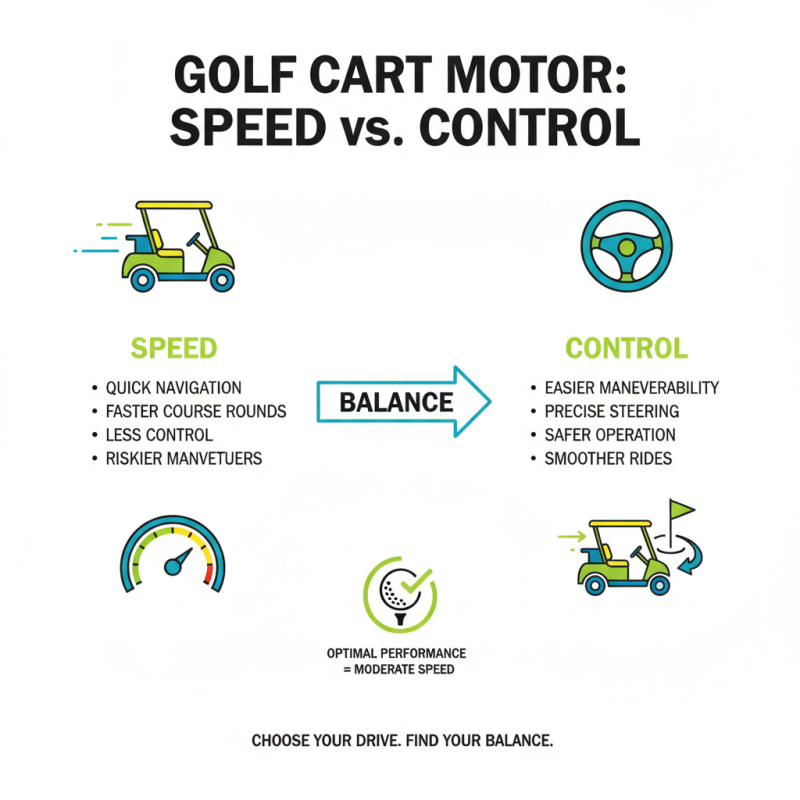
When choosing a golf cart motor, speed and performance are crucial factors. The motor’s speed affects how quickly you can navigate the course. A faster motor may seem appealing, but speed can sacrifice control. Many players prefer a moderate speed that allows for easier maneuverability. Balance is key.
Performance also plays an essential role. Consider the torque the motor can deliver. This aspect is vital for climbing slopes and handling rough terrain. If you often play on hilly courses, a motor with higher torque is better. However, high performance can lead to higher energy consumption. Efficiency matters as well.
Battery life is also a concern. More powerful motors may drain batteries quicker. You might find yourself recharging often, disrupting your round. Reflect on your playing style and course layout before making a decision. Each choice comes with trade-offs. It’s important to think carefully about your specific needs. Your ideal motor should align with how you want to play.
Choosing the right golf cart motor type can significantly affect its maintenance and longevity. Electric motors are popular for their quiet operation and low maintenance. They generally require less frequent upkeep than gas engines. However, they still need battery care and occasional component checks. A worn-out battery can lead to performance issues, impacting your overall experience.
Gas-powered motors offer more power but require more attention. They need regular oil changes and fuel checks. If neglected, they can develop performance problems that are costly to fix. Engine parts can wear out more quickly, leading to premature failure. The trade-off between power and maintenance is worth considering.
Each motor type has its own challenges. It's essential to evaluate your specific needs before making a choice. Think about your intended use. How often will you ride? How much maintenance can you handle? These questions will guide you toward the best option for your golf cart. Ultimately, knowing what to expect with each motor type can help you make a more informed decision.
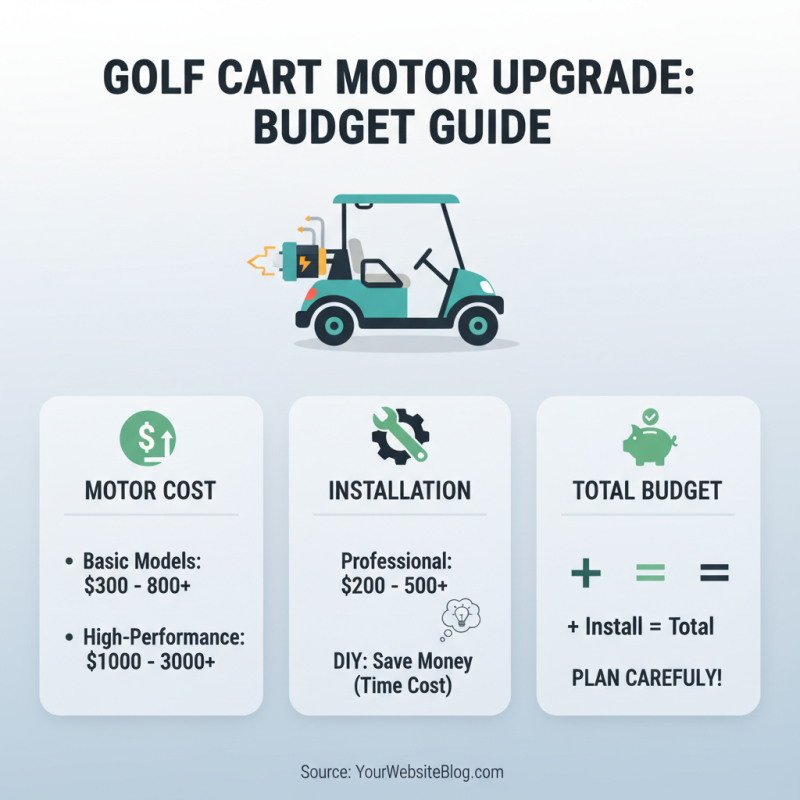
When considering an upgrade for your golf cart motor, budgeting is crucial. It’s easy to get carried away with options, but careful planning is key. You can find motors at various price points. Basic models may start around a few hundred dollars, while high-performance options can soar into the thousands. It’s essential to factor in not just the motor’s cost but also installation fees. Hiring a professional might save you time, but it can also up your budget significantly.
You should also consider future maintenance costs. Some motors may require more frequent service, which adds to expenses. Keeping an eye on power needs can help avoid overspending. A motor too powerful for your needs may not be cost-effective in the long run. Think about your typical golf cart use. Do you drive on flat terrain or hilly areas? This will impact your choice and budget. Evaluate how often you play golf. It might not make sense to invest heavily if you're an occasional player.
Don’t forget about batteries and other upgrades. They can also affect your overall costs. In some cases, a cheaper motor might work better with your existing setup. Balancing price and performance isn’t always straightforward. Each choice brings its own pros and cons, requiring time to weigh your options.
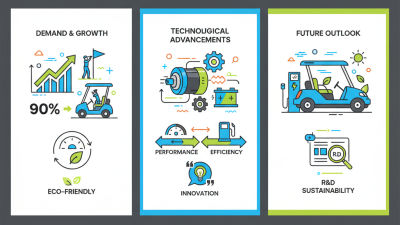
As the popularity of electric golf carts continues to surge, particularly in hospitality and recreational sectors, the introduction of lithium-ion battery technology in 4-seater models has emerged as a game-changer. These advanced battery systems provide a notable advantage over traditional lead-acid batteries, including longer lifespan, reduced weight, and improved energy efficiency. According to industry reports, lithium-ion batteries can last up to five times longer than their lead-acid counterparts, significantly lowering the total cost of ownership for users.
The integration of high-speed AC motors into these golf carts enhances their overall performance. These motors not only improve efficiency but also boost climbing ability and endurance. As a result, electric golf carts are no longer just transport vehicles on the green; they are redefining the concept of mobility in premium environments such as resorts, villas, and garden hotels. Reports have indicated that with advancements in technology, the power and versatility of electric golf carts are comparable to those of compact electric vehicles, making them a compelling option for a variety of applications beyond strictly golfing.
Moreover, the outstanding design and driving experience offered by modern electric golf carts resonate well with consumers, combining functionality with aesthetic appeal. Industry analysts predict that as technology continues to advance and more developers embrace sustainability, we will see an increased market share for these innovative vehicles in tourist attractions and parks. The shift towards lithium-ion technology marks a significant step in the evolution of electric golf carts, setting a new standard for performance and environmental responsibility in the industry.
: The service aims to provide users with practical solutions for everyday problems.
You can access the service online through a website or a mobile app.
Some features are free, while others might require payment or a subscription.
Yes, you can use it across various devices with the same account.
You can reach out to the support team for assistance.
Updates happen regularly to improve user experience and fix issues.
You can reset your login details through the “forgot password” option.
The service implements measures to protect user data, but risks exist.
Yes, user feedback is encouraged to help improve the service.
Customer support is usually available during business hours, but not always 24/7.
Choosing the right Golf Cart Motors is crucial for optimizing performance and meeting the specific needs of your golf cart. When selecting a motor, consider various factors including the type of fuel—electric or gasoline—and understand the voltage and amp ratings of the batteries to ensure compatibility. Additionally, assessing power and torque requirements will help in determining the right fit for your cart’s intended use.
Performance metrics such as speed and overall functionality significantly influence motor choice. Maintenance and longevity are also vital considerations, as different motor types may require varying degrees of upkeep. Lastly, performing a cost analysis will assist in budgeting for any upgrades, ensuring you invest wisely while enhancing your golf cart experience. By carefully evaluating these aspects, you can make an informed decision that aligns with your specific requirements for Golf Cart Motors.