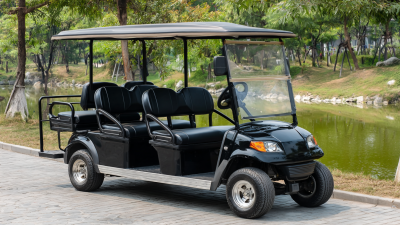
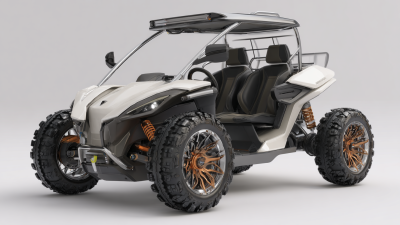
When it comes to the Golf Cart industry, CE Certification is a pretty big deal for manufacturers. If you're looking at top factories makingBlack Golf Carts, you’ll notice that they really stick to strict standards. This certification isn’t just a label—it’s a way to make sure their products meet important safety and environmental rules set by the European Union.
Honestly, if you're checking out the best Black Golf Cart factories, seeing if they have CE Certification is a must. It kinda shows they’re serious about quality and safety in how they build their carts. For instance, a factory with CE Certification probably knows their stuff when it comes to engineering and making sure everything's compliant. That means you can trust that they’ll deliver reliable, well-made products.
That said, not all factories get this certification. Some might try to cut corners or skip proper testing, and that’s a red flag. So, it’s really worth doing your homework and thinking critically about where you're buying from. Picking a factory with CE Certification? That’s a smart move—you're investing in something that’s likely to last longer and give you peace of mind, no worries about surprises later on.
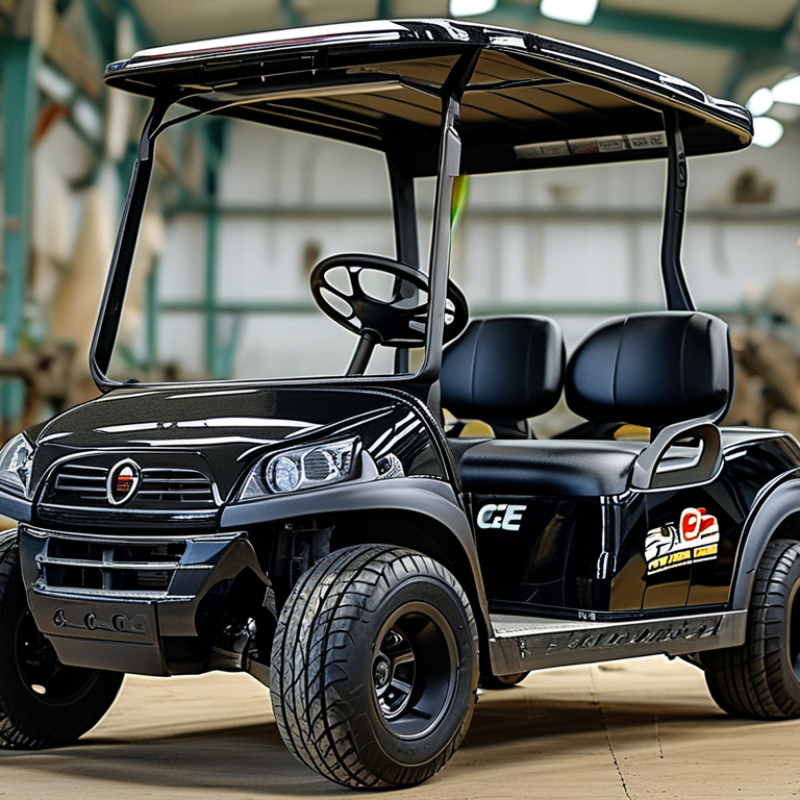
Understanding CE Certification: Definition and Importance
CE certification is crucial for manufacturers of Black Golf Cars, especially in the European market. This certification indicates that products meet necessary health, safety, and environmental protection standards. According to a report from the European Commission, around 80% of consumer goods sold in Europe are CE marked. This highlights the importance of compliance for manufacturers wanting to compete effectively.
Consumers increasingly prefer products that are certified. A survey by Statista indicates that over 70% of buyers consider safety certifications when choosing products. CE marking can enhance a factory's credibility. It shows commitment to quality and safety, which can lead to higher sales. However, the process of obtaining CE certification can be time-consuming and complex. Many manufacturers struggle with documentation and compliance, often leading to delays.
Investments in CE certification can pay off. Data from industry analysts suggest that certified products often have a lower return rate, indicating higher customer satisfaction. However, becoming CE compliant is a challenge for many. Factories must navigate numerous regulations and testing procedures. This can overwhelm smaller manufacturers. Understanding the CE certification process is essential for any factory producing Black Golf Cars to maintain market relevance and ensure consumer trust.
The Role of CE Certification in Golf Cart Manufacturing
CE Certificationplays a vital role in the Golf Cart manufacturing industry. It signifies that a product complies withEuropean safety, health, and environmental regulations. This certification is not just a formality; it impacts the market access of golf carts in European countries. In 2021, approximately 35% of golf carts exported to Europe were CE certified, according to industry reports.
The certification process ensures that manufacturers adhere to stringent guidelines. For example, noise levels and emissions must meet specific thresholds. In fact, data shows that non-compliant products can lead to fines and bans, negatively affecting a manufacturer's reputation. A study indicates that over 60% of golf cart manufacturers experienced slower sales due to inadequate certification.
Some factories overlook the importance of continuous compliance. This issue can arise from shifting regulations. Maintaining awareness is crucial. Failing to adapt could result in increased production costs or diminished market share. As the industry evolves, manufacturers must prioritize CE certification. Understanding this aspect is essential for sustainable growth and global competitiveness.
Key Quality Standards for Black Golf Carts Under CE Certification
CE Certification is crucial for ensuring the quality and safety of black Golf Carts. To meet CE standards, factories must adhere to strict quality guidelines. This involves rigorous testing of various components, such as brakes, batteries, and structural integrity. Each part must fulfill safety requirements to protect users. While some manufacturers excel, others may overlook key aspects to cut costs, leading to potential safety issues.
When looking for a reliable black golf cart, check if the factory has CE Certification. This certification often signifies that the product has undergone comprehensive testing and meets European safety standards. It's a mark of trustworthiness. Be wary of golf carts that lack this certification. They might save money in the short term, but the risks could be significant.
Tips: Always review the details of the certification. Not all processes are foolproof. Consider seeking customer reviews and expert opinions to gauge the golf cart's performance. Reflect on your priorities; safety should come before aesthetics. Investing in a certified black golf cart is not just a choice; it’s a necessity for quality and peace of mind.
Identifying the Best Black Golf Cart Factories with CE Approval
CE certification is vital for golf cart manufacturers targeting the European market. It indicates compliance with health, safety, and environmental protection standards. Manufacturers must show that their products are safe for consumer use. CE markings enhance customer trust, impacting purchasing decisions significantly.
When identifying top black golf cart factories, focus on those with CE approval. Statistics reveal that companies with CE certification see a 30% increase in market share. This approval often correlates with better quality and innovation. Many factories are now investing heavily in green technology. This shift meets consumer demands for sustainable products.
However, not all certified factories meet the same standards. Some may focus solely on obtaining CE marks without maintaining quality. It’s essential for buyers to conduct thorough research. Look for reviews and factory audits. Not every approved factory guarantees excellence in production. The commitment to quality must match the certification.
Comparative Analysis of CE Certified vs. Non-Certified Golf Carts
When choosing a golf cart, CE certification plays a crucial role. CE certified carts meet strict safety and environmental standards. This certification ensures the cart has passed rigorous testing. For instance, its Golf Cart Wheel Spindle must exhibit durability and reliability, crucial for safe navigation on the course.
In contrast, non-certified golf carts often lack these safety assurances. They may cut costs by using inferior materials. This choice can lead to performance issues, compromising the user experience. A cart with a robust Golf Cart Wheel Spindle can endure rough terrain better than its non-certified counterpart. However, recognize that some certified carts might still have flaws, leaving room for reflection on the importance of thorough inspections.
Consumers often think certification guarantees quality. However, not all CE certified carts are equal. Variations in manufacturing practices can affect overall performance. Sometimes, certifications are seen as mere checkmarks. Prioritizing experience and reliability from the best black golf cart factories remains essential for informed purchasing decisions.
Steps for Golf Cart Factories to Achieve CE Certification
Achieving CE certification is crucial for golf cart factories aiming for success in European markets. This certification ensures that products meet safety and environmental standards set by the European Union. The process can be complex and requires careful attention to detail.
Golf cart factories should begin by understanding the specific requirements for CE marking. Conducting a thorough risk assessment is vital. Identifying potential hazards can prevent costly redesigns later. Factories must also ensure that their manufacturing processes comply with safety standards. Having proper documentation is equally essential. This includes technical files that detail product specifications and risk assessments.
Testing products through accredited laboratories is another key step. These tests verify that the golf carts meet the required standards. However, factories often underestimate the time and resources needed for testing. Once testing is complete, manufacturers must prepare a declaration of conformity. This document confirms compliance with applicable directives. Factories that follow these steps can enhance their credibility and appeal in the marketplace. Yet, some may overlook ongoing compliance, which can lead to future challenges.
Future Trends in CE Certification for Golf Cart Production
CE certification plays a crucial role in the golf cart production landscape. As we look to the future, understanding upcoming trends is vital for manufacturers. Increased emphasis on safety and environmental standards will shape production processes. Factories must adapt to these changes to remain competitive.
To keep up, manufacturers should invest in training. Staff should be well-versed in safety measures and environmental compliance. This fosters a culture of excellence. Collaboration with local regulatory bodies can provide valuable insights into CE certification updates. A proactive approach is key to achieving and maintaining compliance.
Another aspect is innovation in product design. Many golf carts now include features like a Golf Cart Tail Light Kit. These enhancements not only improve safety but also appeal to the market's growing preference for smart technology. Shifting consumer expectations mean factories need to embrace new technologies. Failing to do so could lead to falling behind competitors.
It's essential to remain adaptable and informed. Regular audits and updates to compliance practices can catch potential issues early. Constant reflection on production processes will help identify areas for improvement and maintain high standards.
What is CE Certification for the Best Black Golf Cart Factories? - Future Trends in CE Certification for Golf Cart Production
| Factory Location | Annual Production Capacity | CE Certification Status | Main Features of Golf Carts | Future Trends |
| USA | 5000 units/year | Certified | Electric, Customized Options, Eco-friendly | Automation, AI Features |
| China | 15000 units/year | Certified | Compact, Lightweight, Advanced Safety | Sustainability Initiatives |
| Germany | 8000 units/year | Pending | Luxury Design, High Performance | Smart Connectivity, User-centric Features |
| Japan | 6000 units/year | Certified | Hybrid Option, Durability | Enhanced User Experience, Smart Tech |
Enhancing Golf Cart Performance: The Importance of Shock Absorber Cushions for Club Car Models
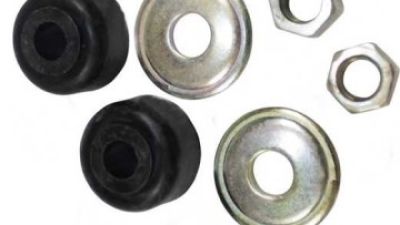
When it comes to enhancing golf cart performance, the role of shock absorber cushions cannot be overstated, especially for popular models like the Club Car DS, Precedent, and Tempo. These components are crucial for ensuring a smooth and comfortable ride, absorbing impacts and vibrations that can otherwise lead to a less enjoyable driving experience. According to a recent industry report, well-maintained suspension systems can improve the lifespan of a golf cart by up to 20%, resulting in better performance on the course.
The shock absorber cushion serves as an essential replacement part, designed to minimize wear and tear on the suspension system. When golf carts are frequently used on varied terrains, the shocks endure substantial stress. This can lead to decreased performance and a bumpy ride if not addressed. For instance, shock absorber cushions help maintain the stability of the cart, thereby reducing issues like uneven tire wear and steering problems. Industry data suggests that proper shock absorption can enhance overall control, allowing golfers to navigate the course more effectively and with increased confidence.
Investing in a quality shock absorber cushion not only boosts the ride quality but also enhances the safety of the vehicle. Experienced golf cart users report a significant reduction in the likelihood of mechanical failures when their shock absorbers are in optimal condition. As the golf industry continues to grow, maintaining high-performance standards is essential, making shock absorber cushions a worthwhile consideration for any golf cart owner looking to improve their driving experience.
FAQS
: CE certification indicates that a product meets health, safety, and environmental protection standards in Europe.
It enhances credibility and can lead to higher sales. Consumers prefer certified products for safety.
Certified products tend to have lower return rates, indicating stronger customer satisfaction and trust.
The process can be complex and time-consuming, leading to delays and frustration, especially for smaller manufacturers.
No, in 2021, only about 35% of exported golf carts were CE certified, highlighting compliance gaps.
Non-compliant products can lead to fines and can harm a manufacturer’s reputation, resulting in slower sales.
Regulations can change, and failing to adapt may increase production costs or reduce market share.
Look for CE certification, which shows the product has met European safety standards through rigorous testing.
Always prioritize safety over aesthetics. Review certification details and seek customer feedback for informed decisions.
Yes, while it may seem more expensive initially, it ensures safety and quality, making it a wise long-term choice.
Conclusion
CE certification is a vital standard for ensuring the safety and quality of black golf carts in the manufacturing sector. This certification not only signifies compliance with essential safety regulations but also enhances consumer trust. Understanding the importance of CE certification is crucial, as it outlines key quality standards that black golf carts must meet, ensuring they are reliable and safe for users.
Identifying the best black golf cart factories involves evaluating those that possess CE approval, which indicates their commitment to high manufacturing standards. A comparative analysis reveals that CE certified golf carts often outperform non-certified alternatives in terms of safety and quality. As the demand for black golf carts continues to grow, factories must follow specific steps to achieve CE certification, adapting to future trends that prioritize both innovation and regulatory compliance in golf cart production.

 0086-13925528791
 CONTACT XXCART
 CONTACT XXCART