You know, as the electric bike world keeps evolving, there's no denying that the Electric Bike Golf Cartis really gaining traction. Experts are already looking ahead to 2026 and predicting some major trends that could totally change the way golf fans play and get around. John Taylor, who's pretty much a big deal in sustainable transportation at Innovate Mobility, puts it simply: "Electric Bike Golf Carts mix fun and eco-friendliness in a way that's pretty hard to beat."
Honestly, this whole idea gives golfers a totally new way to think about getting around the course. Picture yourself cruising down the fairway, soaking up the beautiful scenery, and at the same time, doing your part to cut down on emissions. It’s like, not just a choice anymore – it’s more of a lifestyle shift. As these carts become more common, it’s really worth thinking about what features matter most — like reliability, battery life, and comfort. But, let’s be real, some brands still haven’t nailed it in consistently meeting those needs.
Looking ahead to 2026, we can expect some exciting innovations, no doubt. But it’s super important for buyers to stay in the know and be flexible, so they actually pick the best model for them. Of course, the market’s not perfect — there are still hurdles like infrastructure and maintenance to deal with. Still, it’s an exciting journey for every forward-thinking golfer out there who’s ready to embrace the future.
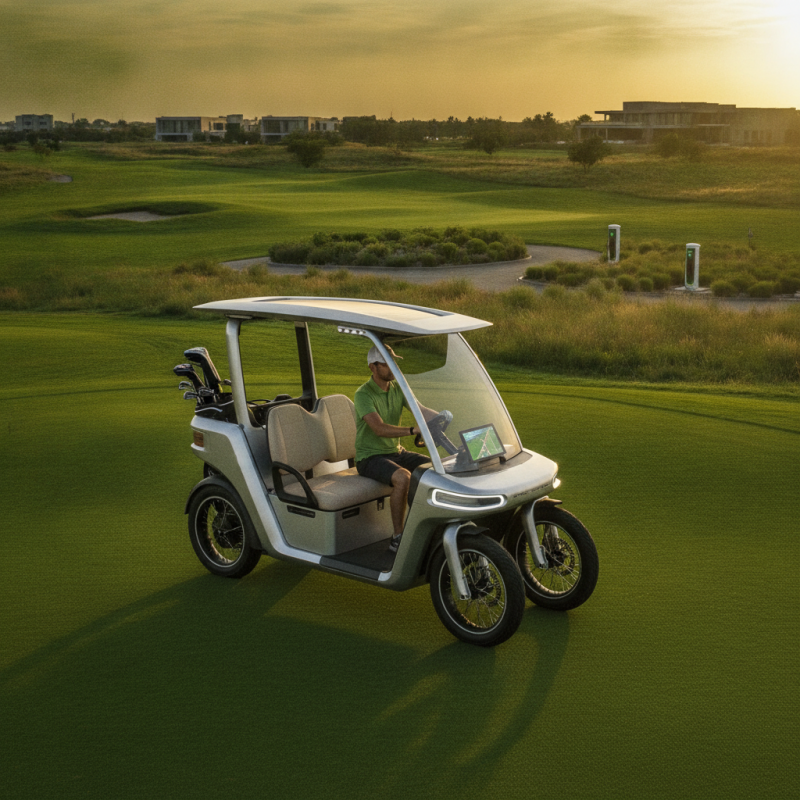
Emerging Technologies in Electric Bike Golf Carts for 2026
The Electric Bike Golf Cart market is evolving rapidly. Innovations in battery technology are making these carts more efficient. Many are now equipped with lithium-ion batteries that provide longer range and shorter charging times. This means less waiting and more time on the green.
Smart features are also emerging. Some Golf Bike Carts now include GPS navigation and fitness tracking. These enhancements allow golfers to track their performance and plan their strategy. However, these advanced features can sometimes complicate user experience. Simplicity remains key for many players.
Sustainability is another important trend. Many manufacturers are focusing on eco-friendly materials. This shift not only reduces environmental impact but also attracts conscious buyers. There’s a growing interest in solar panelsintegrated into Golf Bike Carts. However, the effectiveness of these systems in real-world scenarios often requires more assessment.
Design Innovations Tailored for Golf Enthusiasts
The golf industry is witnessing an exciting shift with innovative designs tailored for enthusiasts. Electric Vehicle Golf Carts are gaining popularity. These carts promise a more enjoyable experience on the course, combining practicality with fun. The integration of features such as enhanced battery life and improved terrain handling is making them more attractive.
As golfers seek efficiency and comfort, designs are evolving. Many carts now include ergonomic seats, spacious storage, and even built-in GPS systems. However, not all innovations hit the mark. Some features may not suit everyone’s needs. It's essential to choose a cart that matches your playing style.
Tip: Test drive different models before buying. This allows you to feel the differences and make a better-informed decision. Pay attention to comfort, speed, and ease of use.
New materials are also part of the trend. Carts made from lighter, durable composites can enhance performance. Yet, there can be a trade-off with cost. It's wise to consider your budget while exploring options.
Tip:Research different designs and read reviews. This can give insights into durability and performance. Ultimately, the right electric vehicle Golf Cart can elevate your game and enjoyment on the course.
Sustainability Trends in Electric Golf Carts: A Green Future
As electric Golf Carts gain popularity, sustainability is a major focus. Recent reports indicate that the global electric Golf Cart market is projected to reach USD 1.8 billion by 2026, growing at a CAGR of 7.2%. This growth reflects a shift toward greener solutions. Electric carts significantly reduce emissions compared to traditional gas-powered vehicles.
Incorporating eco-friendly materials is a vital trend. Manufacturers are exploring sustainable options such as recycled plastics and plant-based components. This approach not only lowers environmental impact but also appeals to conscious consumers. Interestingly, more than 45% of buyers now prioritize sustainability when selecting their golf carts.
While innovations abound, challenges persist. Battery disposal and resource sourcing remain pressing concerns. The industry must develop better recycling programs for lithium-ion batteries. A clear strategy is needed to address these issues. It's crucial to balance growth and environmental responsibility. Electric golf carts can lead the way in promoting a sustainable future, but continuous improvement is essential.
Comparative Analysis of Leading Electric Bike Golf Cart Brands
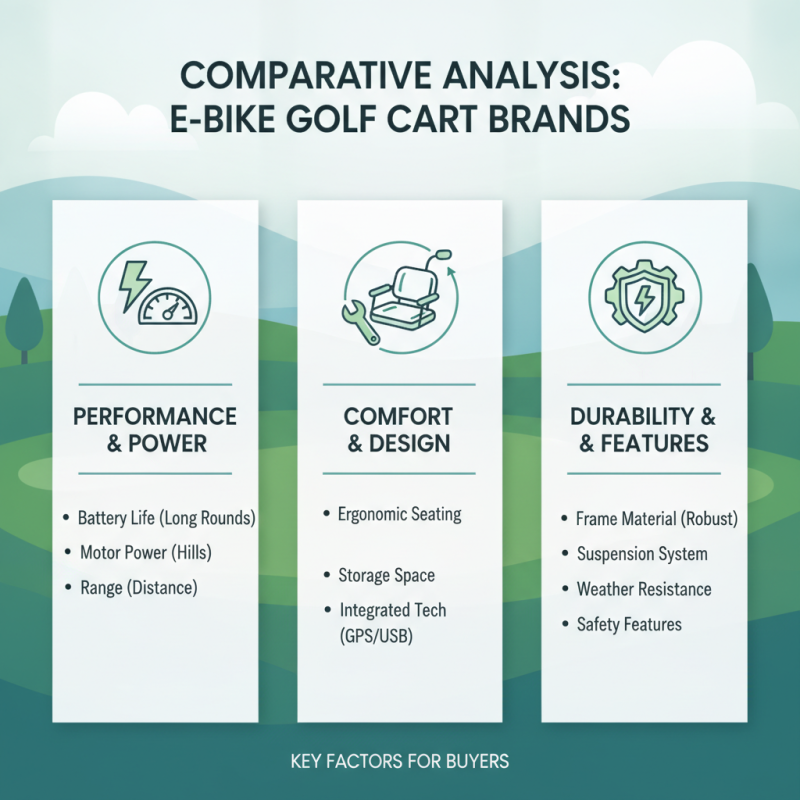
The electric bike golf cart market is rapidly evolving, with many brands vying for attention. Each brand offers unique features tailored to different consumer needs. Performance, durability, and design are among the key factors that buyers consider. Some brands excel in battery life, allowing for longer rounds on the course. Others prioritize comfort with ergonomic seating or space for storage.
While most options look appealing, not all perform equally well in all environments. Some carts may struggle on steep hills or uneven terrain. Test-driving different models helps buyers identify which features matter most. Customer reviews can be a valuable source of insight, highlighting both strengths and weaknesses of various carts.
Pricing is another vital aspect. Some brands market premium features at a high cost, while others offer basic models at lower prices. Balancing quality and budget proves challenging for buyers. In this competitive landscape, understanding individual needs becomes crucial for making an informed choice.
Consumer Preferences Driving Electric Golf Cart Features
The evolving landscape of electric golf carts reflects significant consumer preferences. Recent data from the Global Electric Golf Cart Market Report indicates that user experience shapes design and functionality. Features like improved battery life and comfort are now top priorities for buyers. In fact, 72% of consumers cite extended range as a critical factor when choosing their ideal cart.
Additionally, innovative design elements are gaining traction. Many buyers prefer models equipped with smart technology, which enhances navigation and safety. For instance, carts that integrate GPS not only provide directions but also show the Fastest Electric Golf Cart route on the course. Survey results reveal that nearly 65% of golfers see these features as essential for enhanced gameplay. Despite these advancements, some consumers express concern over the high price of these tech-infused models.
Environmental impact is also a significant motivator for buyers. As sustainability becomes a priority, more players are opting for electric models that reduce carbon footprints. A notable 55% of consumers indicate that eco-friendliness influences their purchasing decisions. However, there is still a long way to go in making electric carts accessible for all budgets, reflecting a gap between desire and affordability in today's market.
Global Market Insights: Electric Golf Carts in 2026
The electric golf cart market is poised for significant growth by 2026. According to a recent industry report, the global electric golf cart market is projected to reach $1.5 billion by 2026. This surge is driven by increased demand for sustainable transport solutions on golf courses and residential communities. Electric carts reduce noise pollution and carbon emissions. Many buyers seek eco-friendly options, making electric models more appealing.
Technological advancements play a vital role in this transformation. Battery technology is improving, leading to longer ranges and shorter charging times. Some electric golf carts can now travel over 50 miles on a single charge. Data shows that around 30% of new golf cart sales are expected to be electric by 2026. While the trend is promising, challenges remain. The initial cost of electric carts can be higher than traditional gas models. Buyers must consider return on investment factors, such as savings on fuel and maintenance.
Market insights indicate variations in consumer preferences across regions. In North America, comfort and technology features are prioritized. Meanwhile, European markets focus on compact designs suitable for urban environments. Despite the potential growth, buyers should reflect on their specific needs and local regulations. The future of electric golf carts hinges on balancing innovation and practicality against cost-effectiveness.
2026 Top Electric Bike Golf Cart Trends for Global Buyers
| Trend | Projected Growth Rate (%) | Key Features | Market Segment | Region |
| Increased Battery Efficiency | 15% | Longer range, Quick charging | Leisure Golfers | North America |
| Smart Technology Integration | 20% | GPS, Bluetooth connectivity | Tech-Savvy Users | Europe |
| Environmentally Friendly Materials | 12% | Recyclable components | Eco-Conscious Consumers | Asia-Pacific |
| Customizable Designs | 10% | Personalized colors and accessories | Luxury Purchasers | Middle East |
| Enhanced Safety Features | 18% | Improved brakes, Stability control | Families and Seniors | Global |
Regulatory Developments Impacting Electric Golf Cart Adoption
Regulatory developments are reshaping the landscape for electric golf carts. As governments worldwide seek eco-friendly solutions, regulations play a crucial role. In many regions, tax incentives and subsidies are being introduced for electric vehicles, including electric golf carts. This encourages manufacturers to invest in sustainability. Compliance with emissions standards is driving innovation in designs.
However, the road is not always smooth. Some areas still lag in infrastructure. Charging stations are scarce in rural golf communities. Potential buyers may hesitate due to limited access. Furthermore, regulations regarding safety and speed limits vary significantly from one region to another. These inconsistencies can complicate the purchasing decision for global buyers. An "Off Road Golf Cart Electric" must not only meet performance standards but also align with local laws.
The increasing interest in electric golf carts highlights a shift towards greener options. Many consumers are concerned about the environment. Yet, they also need assurance regarding performance and reliability. Striking a balance between sustainability and practicality remains a challenge. It's essential for stakeholders to adapt to these evolving regulations. Only then can the full potential of electric golf carts be realized.
Enhance Your Club Car DS Golf Cart with the Reliable Brake Pedal Rubber Bumper Stop Screw 1010878
Enhancing your Club Car DS golf cart can significantly improve your driving experience on the green. One essential component to consider is the reliable brake pedal rubber bumper stop screw, identified by part number 1010878. This specialized stop screw is designed to provide optimal performance for your braking system, ensuring a smooth and responsive stop every time you hit the pedal.
The brake pedal rubber bumper stop screw serves a vital purpose by absorbing impact and reducing wear on the brake assembly. Installing this part not only enhances safety but also extends the life of your golf cart’s braking system. Specifically engineered for various models, this stop screw offers a hassle-free solution to maintaining your cart’s efficiency. If you’re looking to upgrade or replace existing components, this product is a must-have for any serious golfer who values both performance and reliability on the course.
Utilizing quality components like the 1010878 stop screw ensures that your Club Car DS functions at peak performance, allowing for a more enjoyable and safer golfing experience. Whether you’re cruising the fairways or tackling the rough, having dependable brakes is essential, making the brake pedal rubber bumper stop screw an invaluable addition to your golf cart.
FAQS
: Innovations in battery technology, especially lithium-ion batteries, enhance efficiency, increasing range and reducing charging times.
Some models include GPS navigation and fitness tracking, helping golfers track performance. However, these can complicate usage.
Many manufacturers focus on eco-friendly materials, appealing to environmentally conscious buyers and reducing impacts.
Solar panels are being integrated into carts, but their real-world effectiveness needs more evaluation.
Performance, durability, and design are key factors to evaluate based on individual needs and preferences.
Some carts may struggle on steep hills or uneven terrain, impacting overall performance and user experience.
Yes, some models are priced higher for premium features while basic models offer lower costs, complicating budget decisions.
Reviews provide insights into strengths and weaknesses of models, guiding buyers toward informed choices based on experience.
Advanced features can sometimes decrease simplicity, which many users value in their golf cart experience.
Test-driving different models allows buyers to discover which features are most important for their personal needs.
Conclusion
The article titled "2026 Top Electric Bike Golf Cart Trends for Global Buyers" delves into the transformative innovations shaping the electric bike golf cart market. It highlights emerging technologies that enhance functionality and user experience, as well as design innovations specifically tailored for golf enthusiasts. With increasing environmental awareness, sustainability trends are also gaining traction, steering developments towards greener alternatives in electric golf carts.
Furthermore, the article presents a comparative analysis of various leading brands in the electric bike golf cart sector, alongside insights into consumer preferences that influence feature advancements. Finally, the article addresses global market dynamics and regulatory developments that impact the adoption and future growth of electric bike golf carts in 2026, indicating a shifting landscape that caters to both environmentally conscious consumers and avid golfers alike.

 0086-13925528791
 CONTACT XXCART
 CONTACT XXCART